



Japan deploys AI to draft parliamentary replies
Oct 30, 2026, 01:34 pm


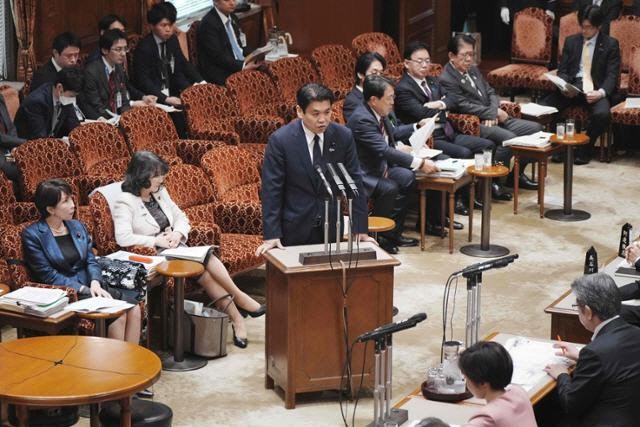 |
| Japanese Prime Minister Sanae Takaichi (far left) watches Education, Culture, Sports, Science and Technology Minister Yohei Matsumoto (center) respond to questions at a House of Councillors Budget Committee session in Tokyo. / AFP-Yonhap |
The Japanese government has introduced a generative artificial intelligence (AI) application to draft responses to parliamentary questions in an effort to reduce long working hours among civil servants. When a lawmaker's question is entered, the app searches for relevant materials, produces multiple draft responses and even anticipates possible follow-up questions.
According to the Sankei Shimbun and Japan's Digital Agency, the agency began offering a trial version of its AI app for drafting responses to parliamentary questions to approximately 180,000 government employees across ministries and agencies that day. The app is available through GENAI, the government's generative AI platform, known in Japanese as Gennai. The agency plans to incorporate feedback from the trial and formally introduce the app starting with the regular Diet session in January next year.
The app is designed to ease the workload of frontline civil servants responsible for preparing ministers' responses to parliamentary questions. Officials must understand the intent behind lawmakers' questions, review previous government responses, laws and policy documents, and prepare draft answers. They must also check the accuracy of the information and ensure that the responses are consistent with existing government positions, often under tight deadlines.
According to the Digital Agency, officials spend so much time searching for materials and checking wording that they have little time left to thoroughly review their responses.
The Sankei Shimbun highlighted whether the app could help Japan move away from "Black Kasumigaseki," a term criticizing the chronic culture of excessive overtime among civil servants. It combines "black," referring to exploitative working conditions, with Kasumigaseki, the Tokyo district where Japan's central government ministries are concentrated.
From searching documents to predicting follow-up questions, with humans making final checks
The app is designed to analyze questions submitted in advance by lawmakers and identify key issues. It then generates draft responses using previous Diet proceedings, laws, news reports and government documents uploaded by users.
Officials can also choose how the responses are written, such as adopting cautious wording or focusing on facts and past achievements.
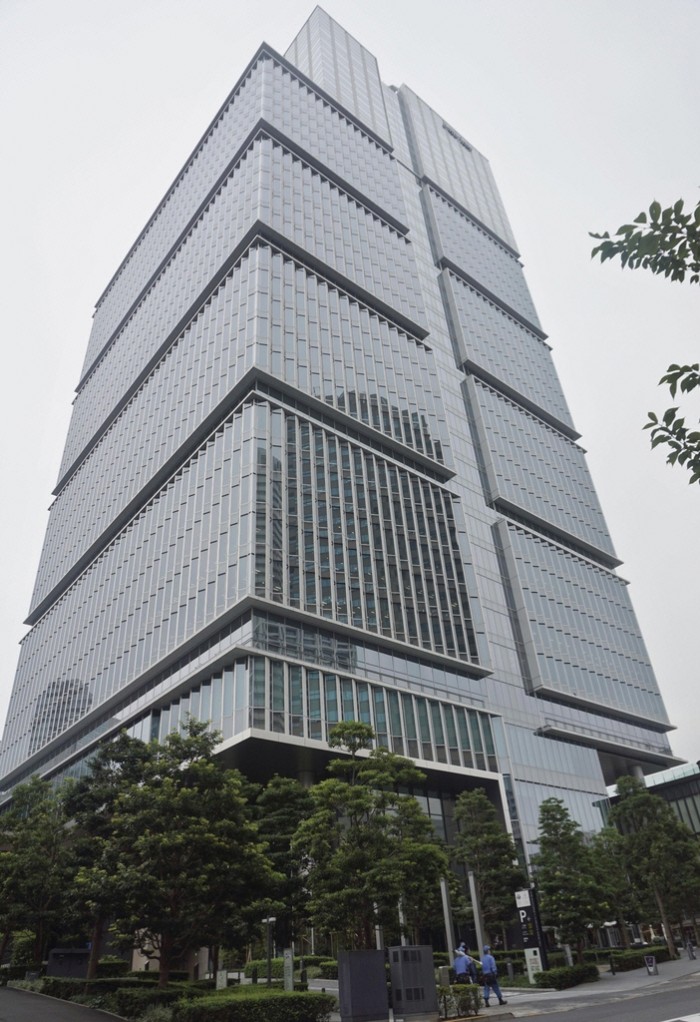 |
| Kioi Tower in Chiyoda District, Tokyo, where Japan's Digital Agency is located. / Yonhap News Agency |
At a media briefing on Oct. 28, officials demonstrated the app using a hypothetical question about the use of open-source software by government agencies. Within minutes of entering the question, several draft responses appeared on the screen, written in the style and structure typically used for answers in the Diet.
According to materials released by the Digital Agency, the app can also anticipate follow-up questions and check whether draft responses are consistent with reference materials and previous government answers. Drafts can be exported as Word documents for officials to edit directly. A total of 102 experienced civil servants from 16 ministries and agencies contributed to the app's development and evaluation.
However, the Digital Agency maintains that AI-generated text must not be submitted as an official government response without review. The agency warned that AI can produce plausible but inaccurate or unsupported information. Officials must compare the drafts against original sources to verify factual accuracy, consistency with government policies and the appropriateness of the wording. Policy decisions and final approval of responses must remain the responsibility of civil servants. Ministers delivering the responses in the Diet are also accountable for their statements.
The Japanese government has acknowledged that introducing AI alone will not solve the problem of excessive overtime. At a ministerial press conference in May, the Digital Agency highlighted the problem of officials working late into the night to prepare parliamentary responses. It explained that issues such as when lawmakers submit their questions cannot be resolved through AI alone and require cooperation between ruling and opposition parties.
The trial will assess the app's usefulness in actual government work, ease of use and the quality of its generated responses. A key challenge before its formal introduction will be determining whether it can reduce the workload involved in searching for materials and drafting responses while maintaining accuracy.
Choi Young-jae
#AI #Japan #Parliamentary reply #Politics
Copyright by Asiatoday
Most Read
-
1
Putin proposes trilateral U.S.-China-Russia summit..

-
2
Attention centers on APEC for possible Trump-Xi-Pu..

-
3
U.S., Israel plan to resume strikes on Iran after..

-
4
China tightens grip on boosting domestic demand an..

-
5
China's fifth plenum to conclude amid expectations..

-
6
Amid health rumors, Chinese President Xi Jinping i..

-
7
ASEAN to discuss Myanmar's return next month

PEOPLE







-
Address : In-Young Bldg., 34, Uisadang-daero 1-gil, Yeongdeungpo-gu, Seoul
Copyright by ASIATODAY CO., LTD. All rights resereved