



SK Energy and HD Hyundai Oilbank face allegations of 44 trillion won collusion
Oct 08, 2026, 09:54 am


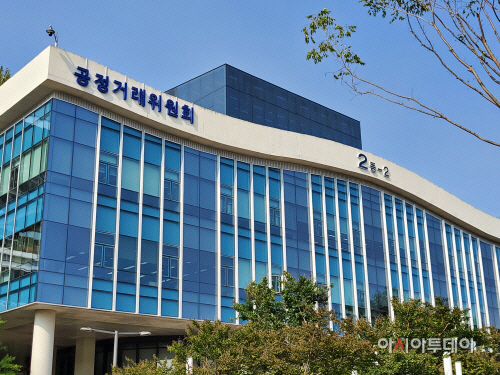 |
SK Energy and HD Hyundai Oilbank are facing adjudication by the Fair Trade Commission (FTC) on charges of exchanging sales price information on gasoline, diesel, and kerosene for approximately four years, and colluding on sales prices following the U.S.-Iran war. Relevant sales revenue tied to the alleged collusion is estimated at around 44 trillion won.
The FTC secretariat announced on the 7th that it had submitted an examiner's review report—outlining investigated illegal acts and proposed sanctions regarding gasoline, diesel, and kerosene collusion charges against SK Energy and HD Hyundai Oilbank—to the commission, and forwarded it to the companies to initiate formal review proceedings.
The examiner concluded that the two refiners exchanged pricing-related data, including deposit prices, finalized prices, and sales policies, for about four years from February 2022, right before the Russia-Ukraine war, until March this year, directly after the U.S.-Iran war. Following the U.S.-Iran war, the two were found to have colluded on deposit prices, which serve as base selling prices.
The domestic market for gasoline, diesel, and kerosene is structured around refiners importing and refining crude oil, then supplying the products directly or via gas stations and wholesale distributors. Transactions between refiners and clients follow a post-settlement system: clients receive products based on an initial deposit price set by the refiner, and settle differences once finalized prices applicable to the previous month's transactions are determined early the following month. These supply prices directly influence gas station retail prices and consumer purchase costs.
As of last year, the domestic manufacturing and sales market for gasoline, diesel, and kerosene was an oligopoly where four refiners—SK Energy, HD Hyundai Oilbank, GS Caltex, and S-Oil—commanded about 98% of the market. SK Energy and HD Hyundai Oilbank collectively held a 49.1% share.
The examiner calculated relevant sales revenue affected by the collusion at approximately 44.1 trillion won, averaging roughly 30 billion won per day. The examiner determined that the conduct of the two refiners constituted severe violations of Fair Trade Act provisions prohibiting price-fixing and information exchange, and recommended corrective orders and administrative fines.
Oh Haeng-rok, director general of the FTC's Cartel Investigation Bureau, said, "We believe sharp swings in international oil prices during wartime conditions served as the catalyst for initiating information exchange," adding, "While the market is an oligopoly, the combined share of the two companies reaches around 50%, which we view as more than enough to disrupt competitive market order."
SK Energy and HD Hyundai Oilbank may submit written statements and request access to or copies of evidentiary materials within eight weeks of receiving the review report. Once defense-rights proceedings conclude, the FTC plans to convene a plenary session as quickly as possible to deliver a final ruling.
Lee Ji-hoon
Most Read
-
1
Trump shares map on social media labeling Strait o..

-
2
Kia Sportage outperforms Mazda CX-5 in German auto..

-
3
U.S. deploys carrier, 10,000 more troops to Middle..

-
4
Trump rejects Iran's offer to open Strait of Hormu..

-
5
N. Korea conducts first swarm attack drill with dr..

-
6
U.S.-China summit falls short on substance as Trum..

-
7
Japan tracks Ukraine fiber-optic drones, bolsters..

PEOPLE






HEADLINE NEWS
- Seoul dismisses Ukraine's claim of 'S. Korean support for Russia' as "inaccurate and inappropriate"
- S. Korea, Japan race to develop nuclear-powered submarines
- Henri Kagan, Kenso Soai win Nobel Prize in Chemistry for uncovering how mol..
- Vance says Alaska LNG cooperation will move forward with Seoul's current or..

-
Address : In-Young Bldg., 34, Uisadang-daero 1-gil, Yeongdeungpo-gu, Seoul
Copyright by ASIATODAY CO., LTD. All rights resereved