



Historical controversy deepens over ‘Perfect Crown’
May 20, 2026, 08:50 am


 |
| /MBC |
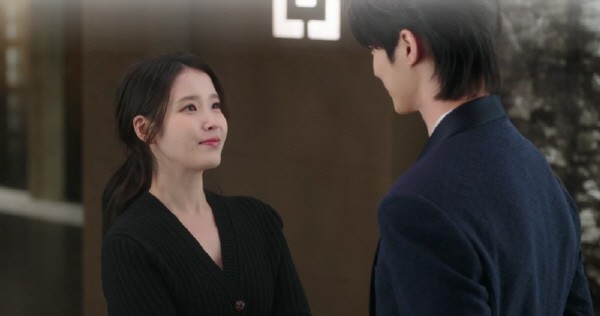
The writer of Perfect Crown has issued a public apology over accusations of historical distortion, adding to earlier apologies from the production team and lead actors. Despite the repeated statements, criticism surrounding the drama continues to grow online.
Writer Yoo Ji-won said in an official statement, “I sincerely apologize for disappointing and concerning viewers due to the controversy over historical accuracy,” adding, “I was cautious about causing further discomfort, which delayed my response.”
She explained that the drama was created under the fictional premise that the Joseon royal family survived into modern times and was intended to showcase Korean traditions and beauty. However, she admitted that the production lacked sufficient historical research and verification while adapting Joseon-era royal customs into a modern fictional monarchy.
Regarding the most controversial coronation scene, Yoo said, “The use of the nine-beaded royal crown and the chant of ‘Cheonse’ were mistakes caused by my failure to carefully examine the historical context,” adding that she would take viewers’ criticism seriously and reflect on it.
Earlier, the production team of Perfect Crown also released an apology. The team acknowledged viewers’ concerns that the depiction of the royal crown and ceremonial chants undermined Korea’s historical sovereignty and admitted that it had failed to sufficiently examine how Joseon royal customs evolved through history.
The producers emphasized that the drama is both a romance series and an alternative-history production but admitted shortcomings in developing its fictional universe in greater detail. They also announced plans to modify audio and subtitles for the controversial scenes in reruns, VOD and OTT streaming services.
Despite the apologies, criticism has continued online. Lead actors IU and Byeon Woo-seok also issued separate apologies, but public backlash has shown little sign of subsiding.
Seo Kyung-duk, a professor at Sungshin Women’s University known for his campaigns promoting Korean history and culture, criticized the production by saying it had “provided justification for China’s Northeast Project claims.”
#Perfect Crown #21st Century Grand Prince’s Wife #MBC #historical controversy #Yoo Ji-won
Copyright by Asiatoday
Most Read
-
1
U.S. Treasury Secretary Bessent publicly warns ove..

-
2
Celltrion’s Omlyclo gains ground in major European..

-
3
Hyundai Motor Group breaks ground on integrated st..

-
4
Russia faces warning signs over prolonged war econ..

-
5
Anti-Western solidarity strengthens amid Trump's e..

-
6
U.S. strikes 3 Iranian oil tankers, Iran vows reta..

-
7
S. Korea seeks redemption from World Cup setback w..

PEOPLE






-
Address : In-Young Bldg., 34, Uisadang-daero 1-gil, Yeongdeungpo-gu, Seoul
Copyright by ASIATODAY CO., LTD. All rights resereved