



Middle East risks push construction cooperative into crisis mode
May 13, 2026, 11:27 am


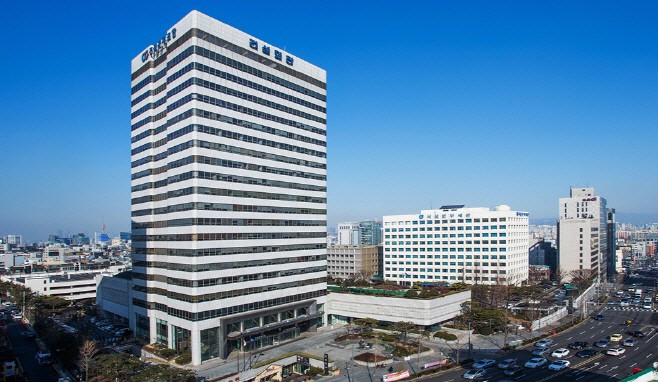 |
| Headquarters of the Construction Guarantee Cooperative. / Construction Guarantee Cooperative |
Construction Guarantee Cooperative said Wednesday it has launched an emergency management system in response to growing geopolitical risks in the Middle East and concerns over disruptions to global oil supply chains.
The move comes amid rising fears of military conflict between the United States and Iran, as well as the possibility of a blockade of the Strait of Hormuz, which could sharply increase costs across the construction industry.
The cooperative said it officially activated the emergency management framework on May 11 to strengthen financial soundness and risk management as concerns grow over prolonged conflict, supply chain disruptions, inflation, and a broader economic slowdown.
According to the organization, instability in the Middle East and concerns surrounding the Strait of Hormuz have raised the possibility of disruptions to daily crude oil supplies ranging from 8 million to 12 million barrels. As a result, Dubai crude prices reportedly surged from around $70 per barrel to as high as $170 at one point, exceeding price increases seen during the Russia-Ukraine war.
The construction industry is expected to be directly affected because of its heavy reliance on oil-derived raw materials such as steel, cement, and asphalt.
The cooperative estimated that a 20% increase in oil prices could raise civil engineering project costs by about 7% and building construction costs by around 4%. It warned that rising costs could weaken construction firms’ profitability while increasing guarantee payments, placing additional pressure on the cooperative’s own operations.
The organization said it plans to determine emergency response levels based on stress test results and adjust countermeasures according to changing conditions. The response system will focus on business performance management, guarantee management, and liquidity management.
To strengthen execution capabilities, the cooperative also established a dedicated crisis management structure. A Financial Performance Management Committee, chaired by the executive vice president, will serve as the control tower, overseeing key decisions such as financial targets and crisis-level adjustments. A separate emergency management task force will handle detailed response planning and implementation.
The cooperative said it is also preparing support measures for member companies affected by the Middle East crisis. It began offering discounts on guarantee fees last month and is reviewing additional special loan programs.
“Although uncertainties in the business environment are increasing, we will continue fulfilling our role as a pillar of the construction industry during times of crisis,” a cooperative official said. “We will mobilize company-wide capabilities to overcome the challenges while continuing our mutually beneficial management with member firms.”
#Construction Guarantee Cooperative #Middle East crisis #supply chain #Hormuz Strait #oil prices
Copyright by Asiatoday
Most Read
-
1
Celltrion’s Omlyclo gains ground in major European..

-
2
Trump demands rates fall below 1% as Fed hikes for..

-
3
Trump makes $1 trillion bet ahead of midterm elect..

-
4
Iran resumes ballistic missile production, assembl..

-
5
Trump warns countries not helping U.S. must pay re..

-
6
Apple launches first foldable, 1 million won prici..

-
7
Turkish Airlines named main club partner of Liverp..

PEOPLE







-
Address : In-Young Bldg., 34, Uisadang-daero 1-gil, Yeongdeungpo-gu, Seoul
Copyright by ASIATODAY CO., LTD. All rights resereved