



Samsung SDI eyes rebound with Amazon deal talks
Apr 22, 2026, 09:08 pm


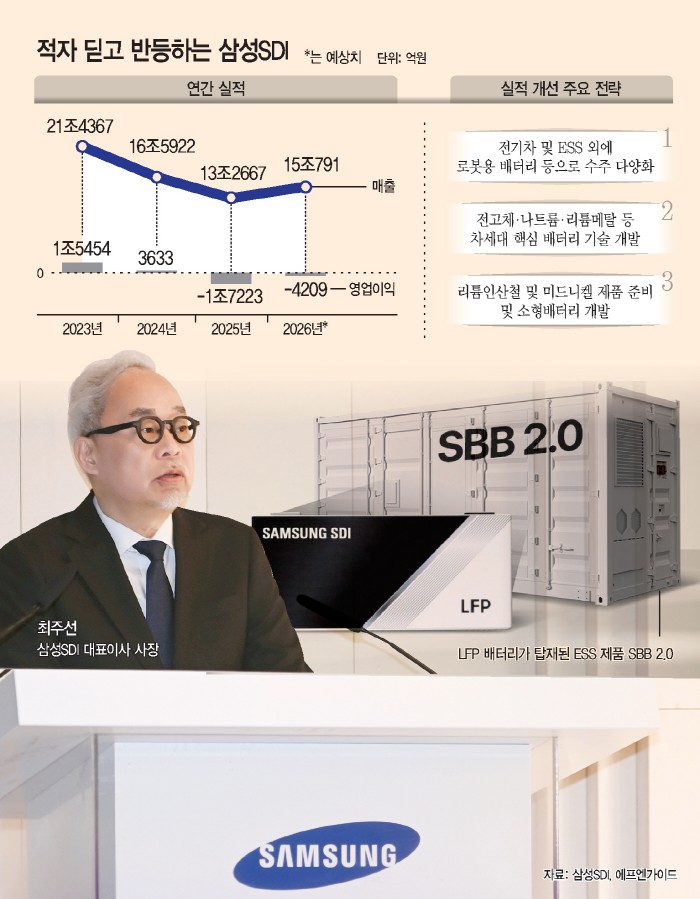 |
Samsung SDI is seeking a performance turnaround by expanding into energy infrastructure, leveraging potential partnerships with global tech giants such as Amazon.
According to industry sources on April 22, Samsung SDI recently held discussions with executives from Amazon Web Services regarding the supply of battery backup unit (BBU)-based uninterruptible power supply (UPS) systems for data centers. While still in early stages, the talks are said to be progressing positively.
AWS, Amazon’s cloud division, operates large-scale data centers worldwide. With the rapid expansion of generative AI, the company has been aggressively investing in infrastructure, making stable power supply and efficient energy management critical priorities.
As electricity costs rise sharply in data center operations, the importance of energy storage systems (ESS) and BBU·UPS solutions is also increasing. Industry observers view the potential collaboration with Samsung SDI as a strategic move tied directly to AI infrastructure competitiveness, rather than a simple component supply deal.
The surge in AI adoption is structurally increasing data center power demand, especially with the expansion of high-performance GPU servers, which drive both higher consumption and volatility. This shift is opening new growth opportunities for battery makers beyond electric vehicles.
Samsung SDI is strengthening its position in the fast-growing ESS market with a layered portfolio ranging from cylindrical battery-based BBUs to prismatic battery-based UPS systems and large-scale grid ESS solutions.
The company is also adjusting its production strategy. Part of its joint venture plant with Stellantis in the U.S. is being converted for ESS production, with a target of securing 30GWh capacity in North America by the end of this year.
At the same time, Samsung SDI continues to diversify its EV battery customer base. It recently signed a 10 trillion won supply deal with Mercedes-Benz for next-generation EV platforms, adding to its roster of global automakers including Hyundai Motor, Volkswagen, and BMW.
Despite these developments, short-term performance remains under pressure. Market estimates suggest the company will post an operating loss of 269.9 billion won in the first quarter, with a full-year loss projected at 420.9 billion won. However, this would mark a significant improvement from last year’s 1.99 trillion won loss.
CEO Choi Joo-sun said at a recent shareholder meeting, “With the expansion of industries such as AI, the global battery market is expected to accelerate growth starting this year,” adding that the company aims to achieve quarterly profitability in the second half.
As Samsung SDI shifts its focus from EV-centric growth to data centers and energy infrastructure, its potential partnership with AWS is seen as a key signal of this strategic transition.
#Samsung SDI #Amazon #AWS #Mercedes-Benz #ESS
Copyright by Asiatoday
Most Read
-
1
Kia Sportage outperforms Mazda CX-5 in German auto..

-
2
Houthis launch successive attacks on Saudi airport..

-
3
Saudi Arabia, Iran hold first diplomatic talks to..

-
4
U.S. deploys carrier, 10,000 more troops to Middle..

-
5
Saudi airport in Riyadh struck again, leaving at l..

-
6
Putin's ally visits China on the 8th ahead of APEC..

-
7
Chinese military support and training center opens..

PEOPLE





HEADLINE NEWS

-
Address : In-Young Bldg., 34, Uisadang-daero 1-gil, Yeongdeungpo-gu, Seoul
Copyright by ASIATODAY CO., LTD. All rights resereved