



POSCO makes major move to absorb partner staff
Apr 08, 2026, 08:12 am


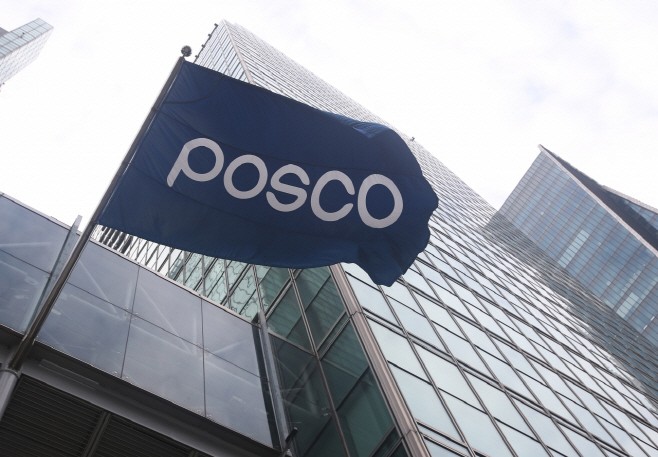 |
| Headquarters of POSCO Group. /POSCO |
POSCO has decided to directly hire around 7,000 on-site workers currently employed by subcontractors at its Pohang and Gwangyang steelworks, in what industry observers describe as a “major decision.”
The move is widely seen as a response to multiple pressures, including long-running lawsuits over illegal dispatch practices, industrial accident issues, and structural changes prompted by the so-called “Yellow Envelope Law.”
According to industry sources on April 7, POSCO plans to gradually convert subcontracted workers engaged in “operation support” tasks into regular employees of the company.
The number of affected workers is estimated at around 7,000. Unlike indirect hiring through subsidiaries, POSCO will employ them directly, with a phased transition based on the company’s roadmap.
These operation support workers currently perform duties alongside regular employees on the same production lines. Labor unions have effectively regarded them as in-house subcontract workers.
The decision comes against the backdrop of legal disputes over illegal dispatch that have continued for more than a decade. POSCO is currently involved in around 28 related lawsuits with subcontractor unions. In July 2022, the Supreme Court recognized illegal dispatch practices by the company, and lower courts have since issued similar rulings.
Earlier, POSCO Group Chairman Jang In-hwa said at a shareholders’ meeting of POSCO Holdings that prolonged litigation would burden both labor and management, adding that a concrete decision would be made soon.
With this move, industry watchers expect a simplification of responsibility between contractors and subcontractors, as well as a reduction in conflicts arising from differences in employment status within the same workplace.
An industry official said, “This is a significant decision that could finally resolve the illegal dispatch issue that has persisted for over a decade,” while noting that key challenges remain, including how to design job classifications, rank structures, and wage levels for the newly hired employees.
#POSCO #direct hiring #subcontract workers #illegal dispatch #labor dispute
Copyright by Asiatoday
Most Read
-
1
Kia Sportage outperforms Mazda CX-5 in German auto..

-
2
Houthis launch successive attacks on Saudi airport..

-
3
Saudi Arabia, Iran hold first diplomatic talks to..

-
4
U.S. deploys carrier, 10,000 more troops to Middle..

-
5
Saudi airport in Riyadh struck again, leaving at l..

-
6
Putin's ally visits China on the 8th ahead of APEC..

-
7
Chinese military support and training center opens..

PEOPLE






HEADLINE NEWS

-
Address : In-Young Bldg., 34, Uisadang-daero 1-gil, Yeongdeungpo-gu, Seoul
Copyright by ASIATODAY CO., LTD. All rights resereved