



JYP posts record sales with portfolio-driven strategy
Apr 07, 2026, 03:24 pm


 |
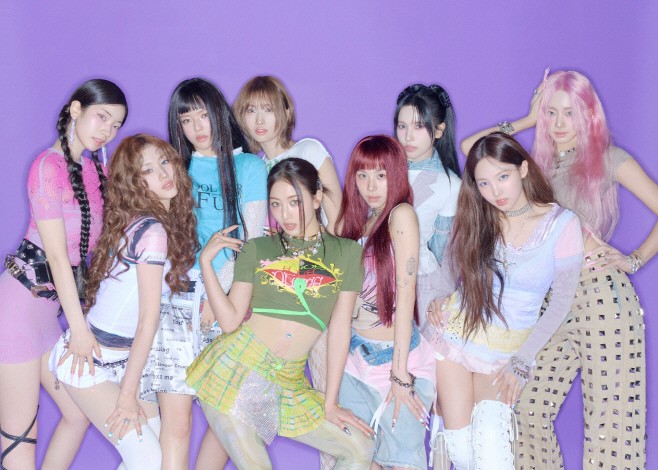 |
| TWICE / JYP Entertainment |
JYP Entertainment is gaining recognition for building a long-term growth model centered on operational stability rather than short-term artist success.
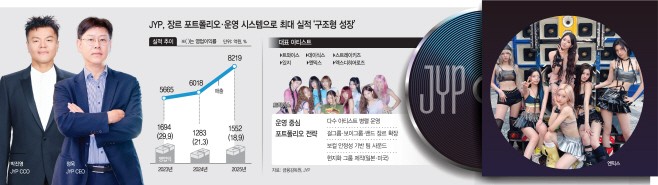
Its strategy—prioritizing structure over flashy hits and management over reliance on a single blockbuster—has translated into strong financial results. According to regulatory filings on April 6, JYP recorded consolidated revenue of 821.9 billion won in 2025, up 36.6% from 601.8 billion won the previous year, marking the highest in the company’s history. Revenue has increased for three consecutive years, following 566.5 billion won in 2023 and 601.8 billion won in 2024.
A notable aspect is the nature of its growth. Operating profit showed a different trajectory, with 169.4 billion won in 2023, 128.3 billion won in 2024, and 155.2 billion won in 2025. The dip in 2024 reflected expanded activities such as global tours and new artist development, while the company later diversified its profit structure.
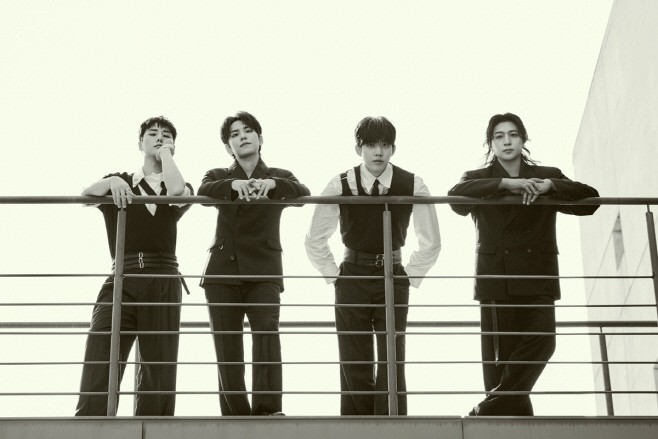 |
| DAY6 / JYP Entertainment |
 |
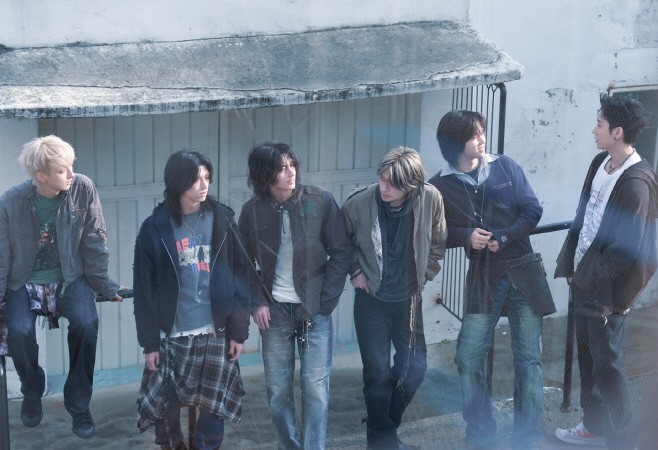
| NMIXX / JYP Entertainment |
At the core of this performance is a portfolio strategy that operates multiple artists in parallel. JYP has built a lineage of successful girl groups—from Wonder Girls and miss A to TWICE and ITZY—while expanding its boy group lineup led by Stray Kids. It has also established a band segment with DAY6 and Xdinary Heroes, creating diverse fandoms and revenue streams across genres. This “distributed structure” reduces dependence on any single artist.
The portfolio strategy aligns with JYP’s music production approach, which emphasizes accessible melodies combined with performance and rhythm. Rather than complex compositions, the company focuses on intuitive choruses and repeatable hooks, amplified through stage performances. It also prioritizes vocal stability to maintain strong live performance competitiveness.
Examples include TWICE’s hit-driven structure, Stray Kids’ self-produced music, and DAY6’s band-oriented sound—all variations of JYP’s production philosophy.
The company’s idol training system is designed accordingly. From the trainee stage, artists undergo integrated training in vocals, performance, languages, and content creation. After debut, activities expand beyond music into global tours, variety shows, fan platforms, and digital content. Combined with merchandise and fan communities, these activities form a comprehensive revenue ecosystem.
JYP is also expanding its system globally by launching locally based groups, such as NiziU in Japan and VCHA in the United States, extending the K-pop model overseas.
 |
| Xdinary Heroes / JYP Entertainment |
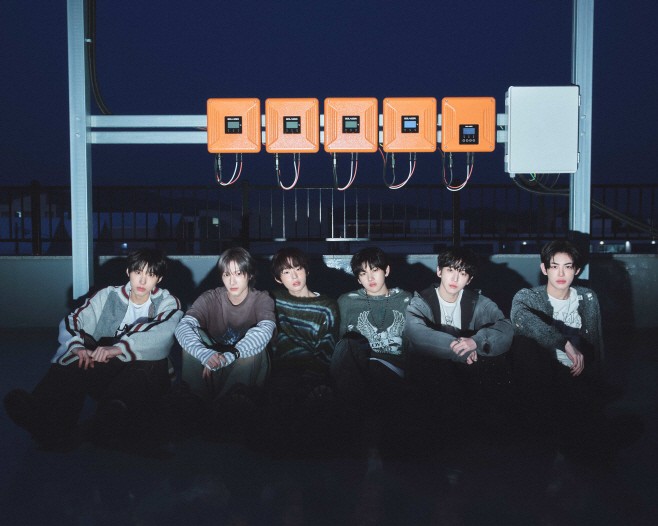 |
| KickFlip / JYP Entertainment |
At the center of this strategy is Park Jin-young. The company maintains a structure in which CEO Jung Wook handles management while Park oversees production and talent development. As both an artist and producer, Park’s direct involvement and close communication with artists have been key to maintaining consistent musical direction and group identity.
Ultimately, JYP’s strength lies not in “who achieves the biggest success,” but in “how consistently success can be sustained.” As the K-pop industry shifts toward a more structure-driven model, JYP’s approach is emerging as a practical blueprint for long-term growth.
Most Read
-
1
U.S. Treasury Secretary Bessent publicly warns ove..

-
2
Celltrion’s Omlyclo gains ground in major European..

-
3
Hyundai Motor Group breaks ground on integrated st..

-
4
Russia faces warning signs over prolonged war econ..

-
5
U.S. strikes 3 Iranian oil tankers, Iran vows reta..

-
6
S. Korea seeks redemption from World Cup setback w..

-
7
Trump makes $1 trillion bet ahead of midterm elect..

PEOPLE







-
Address : In-Young Bldg., 34, Uisadang-daero 1-gil, Yeongdeungpo-gu, Seoul
Copyright by ASIATODAY CO., LTD. All rights resereved