



Government activates energy alert system over oil and gas risks
Mar 06, 2026, 09:07 am


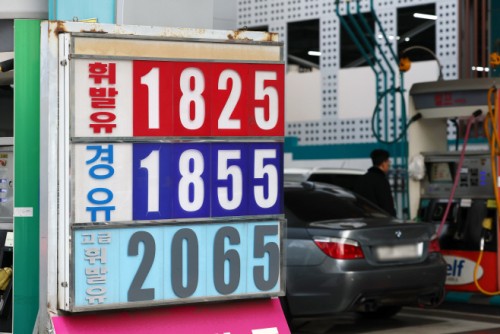 |
| Fuel prices are displayed at a gas station in Seoul on March 5 as gasoline and diesel prices rise sharply following U.S. and Israeli airstrikes on Iran on Feb. 28. / Yonhap |
The South Korean government has activated its resource security response system amid rising uncertainty in the Middle East, issuing a “concern” level crisis alert for crude oil and natural gas for the first time.
The Ministry of Trade, Industry and Energy announced that the alert took effect at 3 p.m. on March 5. The crisis alert system operates in four stages — concern, caution, alert and severe.
The move comes after heightened geopolitical tensions following U.S. and Israeli airstrikes on Iran, which raised fears of supply disruptions and volatility in global energy markets.
After reviewing the potential impact on oil and gas supply, trade logistics and key industries such as petrochemicals, the ministry said there had been no direct disruption to domestic energy supply. However, the alert was issued as a precautionary measure.
According to the ministry, the conditions for the “concern” level were met due to persistent instability in major oil- and gas-producing countries in the Middle East, potential transport disruptions if the Strait of Hormuz were blocked, and a rise in global oil prices exceeding 10%.
The alert marks the first activation of the system since the Special Act on National Resource Security took effect in February last year.
Trade Minister Kim Jung-kwan said earlier in the day that South Korea currently holds about 208 days’ worth of crude oil reserves.
“We believe the reserves will prevent major supply problems for several months,” Kim told reporters before departing for Canada. “However, since the situation could become prolonged, we will ensure full preparedness in managing crude oil supplies.”
The government is also preparing contingency measures in case the crisis level is raised to “caution,” including securing additional supply through overseas production imports and exercising rights to jointly purchase internationally stored reserves.
An official from the ministry said preparations for additional procurement and the possible release of government reserves — measures typically associated with the “caution” stage — were already underway.
In the gas sector, authorities are also preparing for possible disruptions to LNG imports from Qatar. The government is exploring spot purchases from suppliers in Asia, including Malaysia, and discussing ways to utilize surplus cargo held by private importers to stabilize domestic supply.
If necessary, LNG volumes from overseas projects in which Korea Gas Corp. holds stakes could also be redirected to the domestic market.
Starting March 6, authorities will also conduct special inspections targeting illegal petroleum distribution, including counterfeit fuel, and strengthen crackdowns on price gouging in the oil market.
Kim said the government would remain vigilant given the uncertainty surrounding the duration of the crisis.
“It is difficult to predict when the situation will end,” he said. “We will maintain full readiness and take timely measures to stabilize energy supply and the real economy while easing the burden and anxiety of the public.”
#energy crisis alert #crude oil supply #LNG supply #Middle East tensions #energy security
Copyright by Asiatoday
Most Read
-
1
Celltrion nears additional contract with major U.S..

-
2
Putin proposes trilateral U.S.-China-Russia summit..

-
3
U.S. weighs dropping MOAB, world's most powerful n..

-
4
"Aren't those foreigners on welfare?": M..

-
5
Attention centers on APEC for possible Trump-Xi-Pu..

-
6
Saudi Arabia, Iran hold first diplomatic talks to..

-
7
U.S., Israel plan to resume strikes on Iran after..

PEOPLE







-
Address : In-Young Bldg., 34, Uisadang-daero 1-gil, Yeongdeungpo-gu, Seoul
Copyright by ASIATODAY CO., LTD. All rights resereved