



S. Korea plans to resolve failing financial firms in just 3–4 days
Oct 29, 2026, 01:48 pm


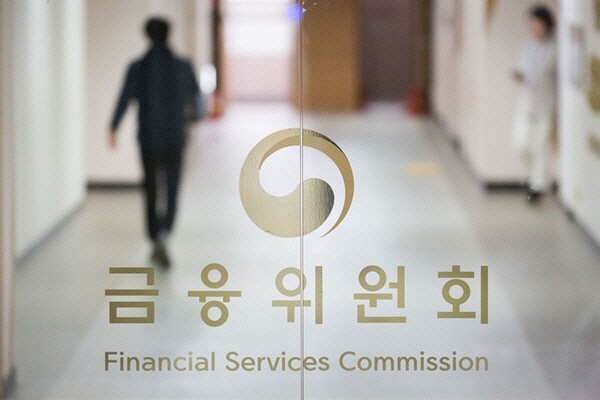 |
| /Financial Services Commission |
South Korea's financial authorities are seeking to shorten the time required to resolve failing financial institutions from approximately 150 days to just three or four days. The proposed reforms would allow certain resolution procedures to be bypassed in emergencies where financial distress threatens to spread across the broader financial market.
On Oct. 29, the Financial Services Commission (FSC) announced a plan to introduce an expedited resolution framework for financial institutions. The move reflects concerns that existing procedures may not allow authorities to respond quickly enough when a financial institution's condition deteriorates rapidly. Regulators also considered the risk that financial instability could intensify during the resolution process if a bank run or similar event causes a financial institution's condition to worsen over a short period.
Under the current system, the resolution of a troubled financial institution involves several stages, including prompt corrective action, designation as an insolvent financial institution and determination of the resolution method, before the Korea Deposit Insurance Corporation (KDIC) implements the measures. The process can take approximately 150 days from the initial detection of financial distress to the actual resolution, such as the transfer of assets and liabilities under contractual arrangements.
The expedited resolution framework would not apply to all failing financial institutions. It would be activated only when an institution is insolvent or at risk of insolvency, poses a threat to financial market stability, and requires urgent intervention because existing resolution measures are insufficient to prevent that threat.
The FSC would decide whether an institution qualifies for expedited resolution, with the Financial Supervisory Service (FSS), KDIC, Bank of Korea (BOK) and Ministry of Economy and Finance participating in the relevant procedures. Eligible institutions would include banks, insurers, securities firms, savings banks and financial holding companies covered by the deposit insurance system. Financial institutions subject to separate resolution frameworks, including agricultural and fisheries cooperative banks and reinsurers, would be excluded.
Once the framework is activated, certain existing resolution procedures could be waived. Contracts could be transferred through negotiated agreements instead of competitive bidding. Requirements for prior notification and hearings under the Administrative Procedures Act, board and shareholder approvals under the Commercial Act, and procedures allowing creditors to raise objections could also be bypassed. The authorities also plan to revise relevant regulations to allow exemptions from merger reviews under the Fair Trade Act.
Under the proposal, preliminary valuations of assets and liabilities would be completed within one or two days. The resolution process would then proceed based on those valuations, reducing the overall time required to three or four days.
Safeguards would also be introduced to protect the property rights of shareholders and creditors during expedited resolution. The authorities would apply the "no creditor worse off than in liquidation" (NCWOL) principle, under which shareholders and creditors would receive compensation from the Deposit Insurance Fund if their losses under expedited resolution exceeded those they would have incurred through liquidation or bankruptcy proceedings. Compensation amounts would be determined through an independent external assessment conducted after the resolution.
The FSC plans to open the proposed legislative amendments for public comment from Nov. 2 to Dec. 14 before completing government legislative procedures and submitting the amendments to the National Assembly.
Lee Bo-ra
Most Read
-
1
Putin proposes trilateral U.S.-China-Russia summit..

-
2
U.S. weighs dropping MOAB, world's most powerful n..

-
3
Attention centers on APEC for possible Trump-Xi-Pu..

-
4
U.S., Israel plan to resume strikes on Iran after..

-
5
China tightens grip on boosting domestic demand an..

-
6
Amid health rumors, Chinese President Xi Jinping i..

-
7
ASEAN to discuss Myanmar's return next month

PEOPLE







-
Address : In-Young Bldg., 34, Uisadang-daero 1-gil, Yeongdeungpo-gu, Seoul
Copyright by ASIATODAY CO., LTD. All rights resereved