



Australia faces worst diphtheria outbreak in decades, triggers emergency response
May 21, 2026, 05:53 pm


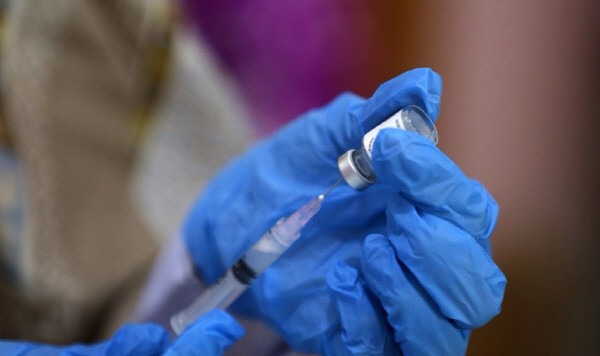 |
| A health worker prepares a diphtheria, tetanus, and pertussis vaccine during a routine medical checkup for children in Banda Aceh, Indonesia, on August 8, 2023. / Photo courtesy of EPA-Yonhap |
Australia has mobilized an emergency response following the largest outbreak of the acute infectious disease diphtheria in decades.
According to Australia's ABC News on May 21, the number of confirmed diphtheria cases reported nationwide this year has surpassed 220. This marks the largest scale of infection since the country began tracking national communicable disease data 35 years ago.
The current outbreak initiated in the Northern Territory (NT) and is spreading across state borders into Western Australia (WA), South Australia (SA), and Queensland (QLD).
Authorities are currently investigating a suspected diphtheria-related death in the Northern Territory. If the link is confirmed, it will mark Australia's first diphtheria fatality in approximately a decade.
Diphtheria is a high-risk infectious disease with a high fatality rate, causing death in about one in ten patients who present with respiratory complications.
Prior to the introduction of vaccines, the disease claimed more than 4,000 lives in Australia between 1926 and 1935. Immunization became widespread in the 1930s, and by the 1950s, the disease was effectively eradicated across the country.
Experts attribute the recent resurgence primarily to declining vaccination rates and shortages in the healthcare workforce. Last year, routine childhood immunization rates in Australia, which include the diphtheria vaccine, plummeted to their lowest level in five years.
Furthermore, a persistent shortage of medical personnel following the COVID-19 pandemic has exacerbated the situation. The current outbreak is heavily concentrated within Indigenous communities in the Northern Territory, where access to healthcare remains vulnerable.
"The workforce shortage in remote clinics is currently extremely severe, making it highly challenging to push vaccination rates back up," noted Dr. John Boffa, Chief Medical Officer at the Central Australian Aboriginal Congress.
Peter Collignon, an infectious diseases professor at the Australian National University (ANU) Medical School, analyzed that socioeconomic factors, such as poor housing conditions and overcrowding, likely accelerated the spread of the disease alongside declining vaccination coverage.
Significantly, the strain currently spreading poses a higher risk as it primarily manifests in a life-threatening respiratory form affecting the nose, throat, and airway, rather than localized cutaneous forms that affect the skin.
"Approximately 25% of confirmed patients require hospitalization, which is beginning to place considerable strain on the Northern Territory's healthcare system," stated Federal Health Minister Mark Butler.
The Australian government plans to finalize a comprehensive support package shortly, which will include securing additional vaccine supplies and temporarily reinforcing the frontline medical workforce.
"Immunization is one of the greatest achievements of modern medicine, but this crisis proves that when vaccination rates drop, severe diseases that had nearly vanished can return at any time," warned Danielle McMullen, President of the Australian Medical Association (AMA). "People must urgently check their immunization history and consult their general practitioners."
Lee Dae-won
Most Read
-
1
Celltrion’s Omlyclo gains ground in major European..

-
2
Trump demands rates fall below 1% as Fed hikes for..

-
3
Trump makes $1 trillion bet ahead of midterm elect..

-
4
Iran resumes ballistic missile production, assembl..

-
5
Samsung Electronics, Mistral AI to jointly develop..

-
6
Trump warns countries not helping U.S. must pay re..

-
7
Apple launches first foldable, 1 million won prici..

PEOPLE






HEADLINE NEWS
- Trump to roll out ‘unprecedented welcome’ for Xi with B-2 bombers, F-22 fighters
- S. Korea, U.S., and Japan form united front on Taiwan and economic coercion..
- Trump administration moves to impose sweeping sanctions on International Cr..
- Xi to make state visit to U.S. Sept. 23-25, dispelling rumors over his heal..

-
Address : In-Young Bldg., 34, Uisadang-daero 1-gil, Yeongdeungpo-gu, Seoul
Copyright by ASIATODAY CO., LTD. All rights resereved