



Retro boom draws young travelers back to Japan's aging spa town of Atami
Nov 12, 2026, 05:26 pm


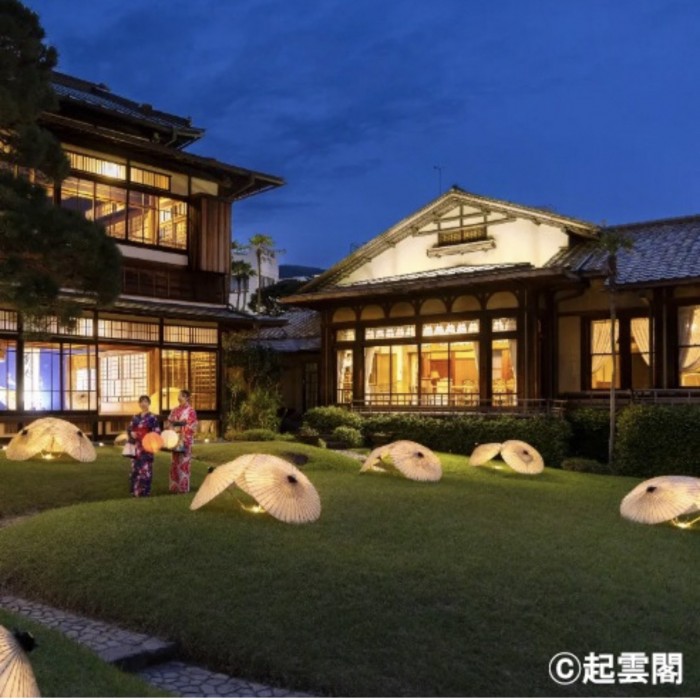 |
| Atami has recently been gaining popularity as a travel destination among people in their 20s and 30s. The city is drawing attention for its diverse attractions, including a blend of traditional and modern culture and retro-style buildings. /Official website of the Atami City Tourism Association |
Atami, a city in Japan's Shizuoka Prefecture once regarded as a declining hot spring resort, is emerging as a new travel destination for younger generations. The growing popularity of hotel-focused vacations and retro culture is seen as breathing new life into the traditional hot spring town, as travelers increasingly choose to enjoy their accommodations rather than rush from one tourist attraction to another.
According to a column by Professor Nakamura of Kobe University, published on Japanese news portal Yahoo! News on Nov. 11, the number of young tourists visiting Atami has recently been rising again.
"Atami, which had lost popularity to other tourist destinations such as Hakone, is now attracting attention again," said Nakamura, an economic commentator. "On weekends, the streets are filled with couples and groups of friends, while restaurants and accommodations are bustling with activity."
Tourist numbers are also recovering. According to statistics from the Atami city government, the number of overnight visitors increased from approximately 2.47 million in fiscal 2011 to 3.08 million in fiscal 2015. Although the figure temporarily declined during the COVID-19 pandemic, it reached around 3.2 million in fiscal 2025, based on hot spring bathing tax data, up 3.4% from fiscal 2018. "The recovery in tourism had already begun before the COVID-19 pandemic," Nakamura said.
Changes in young people's travel preferences appear to have contributed to Atami's revival. Hotel-focused vacations, in which travelers make the stay itself the purpose of their trip by relaxing and dining at hotels or traditional inns rather than rushing between tourist attractions, have become increasingly popular among younger generations.
Young people's preference for retro culture is also adding to Atami's appeal. According to a Yahoo! News survey of 860 men and women aged between their teens and 30s, 60.2% said they were interested in retro designs and lifestyles. Interest was particularly high among people in their late teens and early 20s.
Of those who expressed an interest in retro culture, 52.7% said they wanted to visit old-fashioned cafes and restaurants in Atami. Traditional inns, cafes and shopping streets that once evoked nostalgia among middle-aged and older generations are now being embraced by younger visitors as distinctive tourist attractions. Some travelers in their 20s are even deliberately choosing older inns over new hotels.
"Atami's renewed popularity is not just the result of the retro trend, but also of local government efforts that have responded to it," Nakamura emphasized. "A retro atmosphere alone is not enough to keep tourists coming back. It is also necessary to provide the cleanliness, safety and convenience that younger generations expect, and Atami's accommodation operators and local authorities have been actively responding to these needs."
Jeong Eun-hye
Most Read
-
1
AMD's Lisa Su floated as potential Nvidia successo..

-
2
Ukraine halts strikes on Russian oil refineries un..

-
3
Southeast Asian auto parts makers hit hard by Chin..

-
4
U.S. links Myanmar peace efforts to rare earth acc..

-
5
Hegseth rejects calls for impeachment over Iran wa..

-
6
Democrats flip U.S. Congress in historic midterm s..

-
7
USFK commander cites interoperability gaps, urges..

PEOPLE







-
Address : In-Young Bldg., 34, Uisadang-daero 1-gil, Yeongdeungpo-gu, Seoul
Copyright by ASIATODAY CO., LTD. All rights resereved