



S. Korea weighs label changes for Wegovy amid vision loss concerns
Nov 11, 2026, 05:19 pm


 |
The U.S. Food and Drug Administration (FDA) has warned of the risk of vision loss associated with glucagon-like peptide-1 (GLP-1) drugs used to treat obesity and diabetes, including Wegovy and Ozempic, prompting South Korean health authorities to begin taking safety measures and reviewing changes to domestic drug approvals.
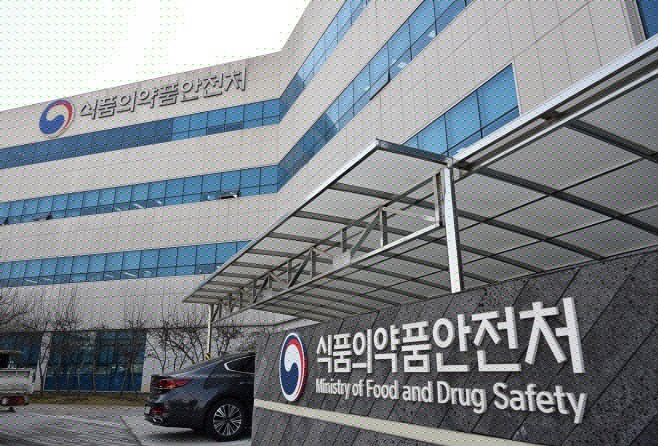
The Ministry of Food and Drug Safety (MFDS) said on Nov. 11 that it had issued a drug safety letter to healthcare professionals and patients in South Korea following overseas safety reports indicating that GLP-1 drugs used to treat obesity and diabetes may increase the risk of non-arteritic anterior ischemic optic neuropathy (NAION). Along with issuing the safety letter, the ministry requested that pharmaceutical companies supplying GLP-1 drugs marketed in South Korea submit documents, including plans for changes to their marketing authorizations. Based on the submitted documents, the ministry plans to review changes to the precautions for use of approved products in the country.
NAION, often referred to as an "eye stroke," is a condition caused by insufficient blood flow to the optic nerve and is one of the most common causes of blindness resulting from optic nerve damage after glaucoma. It can cause sudden, painless vision loss or visual field defects and may lead to permanent vision loss.
Earlier, on Nov. 9 (local time), the FDA required pharmaceutical companies to add information about the potential increased risk of NAION to the "Warnings and Precautions" section of GLP-1 drug labels. After reviewing clinical trial data and postmarketing adverse event reports, including those from the FDA Adverse Event Reporting System (FAERS), the agency found that NAION occurred at a rate of 6.4 cases per 100,000 person-years among patients receiving GLP-1 drugs, compared with 3.8 cases in the control group, indicating a higher relative risk.
The European Medicines Agency (EMA) also concluded in June last year that NAION was a side effect of semaglutide and recommended adding warnings to product information in Europe. Related adverse events have also been reported in South Korea. During a parliamentary audit of the National Assembly's Health and Welfare Committee last month, MFDS Minister Oh Yu-kyoung said that one suspected case of NAION-related vision damage following the use of a GLP-1 obesity drug had been reported in South Korea in December 2024.
The MFDS said, "We have taken necessary measures regarding GLP-1 obesity drugs and other related medications, including monitoring adverse events and revising marketing authorizations." It added, "We will continue to make every effort to ensure drug safety."
Lee Jeong-yeon
Most Read
-
1
Ukraine halts strikes on Russian oil refineries un..

-
2
Southeast Asian auto parts makers hit hard by Chin..

-
3
U.S. links Myanmar peace efforts to rare earth acc..

-
4
Hegseth rejects calls for impeachment over Iran wa..

-
5
Democrats flip U.S. Congress in historic midterm s..

-
6
Xi secures fourth term as China reshuffles next-ge..

-
7
USFK commander cites interoperability gaps, urges..

PEOPLE







-
Address : In-Young Bldg., 34, Uisadang-daero 1-gil, Yeongdeungpo-gu, Seoul
Copyright by ASIATODAY CO., LTD. All rights resereved