



China abuzz over Jensen Huang spy and affair scandal
Nov 10, 2026, 09:17 am


China has been swept up in controversy following reports that Nvidia CEO Jensen Huang, also known as Huang Renxun in Chinese, had an extramarital affair with Alice Huang, or Huang Le, a Chinese businesswoman suspected by U.S. intelligence authorities of having been recruited as a spy by a Chinese intelligence agency.
The reports have caused an extraordinary stir across the country, with public reaction reaching a fever pitch.
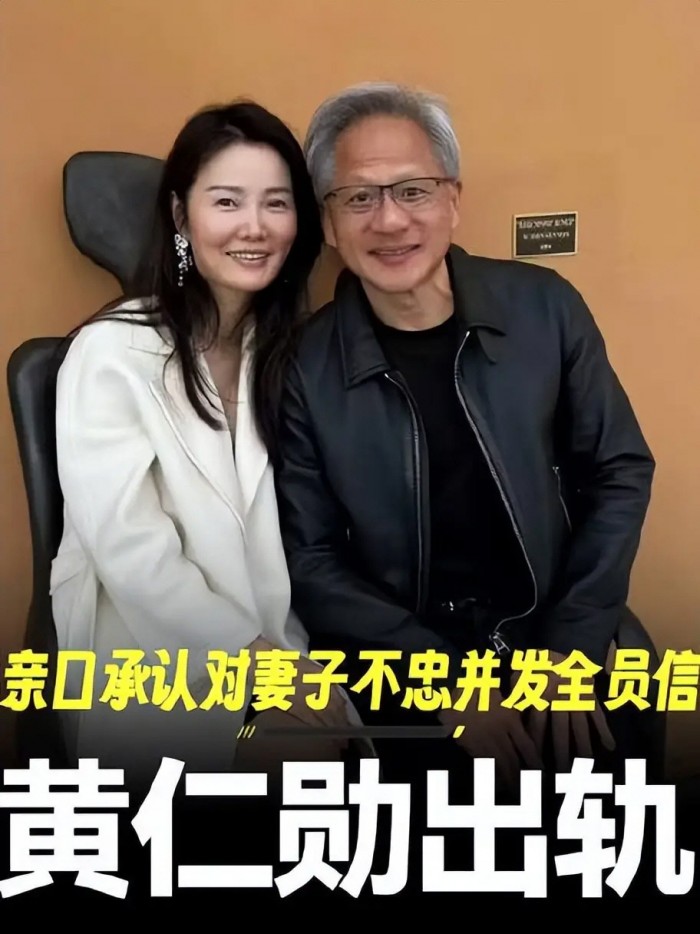 |
| A Chinese media report on Nvidia CEO Jensen Huang's extramarital affair. /Screenshot from Baidu |
 |
| Alice Huang and Jensen Huang with his wife, according to the image caption provided by Baidu. /Baidu |
According to Beijing-based diplomatic sources speaking on Nov. 9, Alice Huang previously held an executive position at Megaspeed, a Singapore-based data center company.
U.S. intelligence authorities, however, reportedly began to suspect her activities well before the controversy became public.
They are said to have monitored her over suspicions that she deliberately approached Huang to obtain confidential information about advanced artificial intelligence (AI) semiconductors and developments within the U.S. administration.
According to various international media reports, Alice Huang previously worked as a journalist for China's state broadcaster, China Central Television (CCTV), and as an executive at a global financial institution.
She reportedly went on to work in the investment industry before joining Megaspeed.
Although U.S. authorities now suspect that she was recruited by a Chinese intelligence agency, whether she actually engaged in espionage remains unclear.
Hong Soon-do
Most Read
-
1
Ukraine halts strikes on Russian oil refineries un..

-
2
China's fifth plenum to conclude amid expectations..

-
3
Southeast Asian auto parts makers hit hard by Chin..

-
4
U.S. links Myanmar peace efforts to rare earth acc..

-
5
Hegseth rejects calls for impeachment over Iran wa..

-
6
Democrats flip U.S. Congress in historic midterm s..

-
7
USFK commander cites interoperability gaps, urges..

PEOPLE






-
Address : In-Young Bldg., 34, Uisadang-daero 1-gil, Yeongdeungpo-gu, Seoul
Copyright by ASIATODAY CO., LTD. All rights resereved