



S. Korea moves to train advanced cybersecurity talent as indiscriminate cyberattacks mount
Oct 20, 2026, 09:27 am


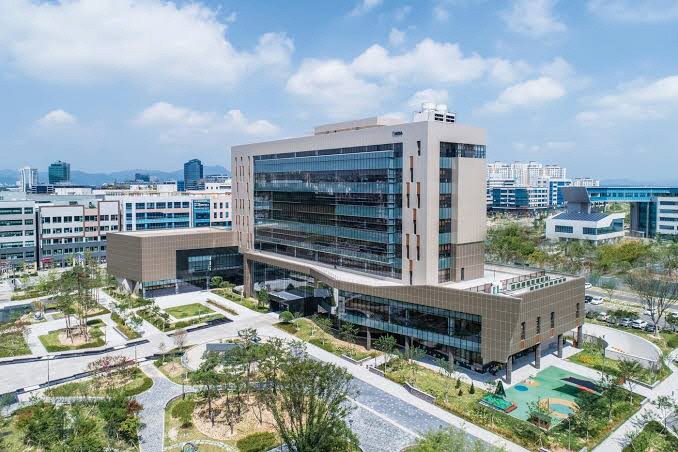 |
A view of the Korea Internet & Security Agency (KISA). / Korea Internet & Security Agency
As cyberattacks that began in the financial sector spread to public enterprises and the retail industry, the government is laying the groundwork to upgrade security capabilities, an area pointed out as a vulnerability. With rising AI-based attacks requiring specialized response capabilities, the government plans to nurture a workforce aligned with shifts in the security paradigm by supporting overseas experience for future talent and establishing AI-based training curricula.
According to the industry on the 19th, personal information leaks triggered by AI-based hacking targeting the financial sector earlier this month have spread across diverse sectors of society, with cumulative affected individuals reaching approximately 1 million people.
U.S. cybersecurity firm Cisco pointed out the lack of expertise among security-related personnel within domestic companies through its Relentless Defense report. According to the report compiled from a survey of 8,000 security experts across 30 global markets between April and May this year, South Korea's cyber defense capability scored 58 out of 100 points, lower than the global average of 64 points. Furthermore, while top-tier defenders, the group possessing the highest level of security readiness, accounted for 8% globally, the domestic share stood at just 1%.
In response to such concerns, securing high-caliber and specialized personnel is emerging as a priority task to enhance domestic security capabilities. Accordingly, relevant agencies have designed projects to foster domestic security capabilities, with plans to implement them in earnest starting next year.
The Korea Internet & Security Agency (KISA), an agency under the Ministry of Science and ICT, is moving to enhance security capabilities through overseas training for personnel undergoing domestic education. KISA designed the Global Competency Enhancement Program for Nurturing Next-Generation Security Leaders, setting a policy to support domestic trainees and graduates in participating in global conferences and hacking competitions from January 1 to December 10 next year.
The program, designed for around 130 individuals across approximately 10 events a year, aims to strengthen the technical competence and competitiveness of domestic personnel by promoting their participation in major international hacking and security events, such as DEF CON in Las Vegas and the RASC Conference in San Francisco, U.S.
A KISA official explained, "Experiencing overseas security industry and technology trends firsthand and building practical capabilities on global stages such as international hacking competitions are critical to elevating the expertise and global competitiveness of next-generation security leaders." The official added, "While maintaining the continuity of existing programs, we have expanded the scope and scale of support to offer trainees broader overseas experience through cooperation with security agencies in other countries, including Singapore and Australia."
A talent supply system will also be established to respond to escalating cyber threats driven by advancements in AI. KISA has planned the Practical Workforce Training for AI Threat Detection and Response project, aiming to conduct AI threat detection and response training for 500 youth and young job seekers starting next year. In designing the project, theoretical and practical curricula will be revamped to reflect AI technologies and security equipment utilized in field operations.
Seo Byeong-ju |
Most Read
-
1
Ukraine halts strikes on Russian oil refineries un..

-
2
China's fifth plenum to conclude amid expectations..

-
3
Southeast Asian auto parts makers hit hard by Chin..

-
4
U.S. links Myanmar peace efforts to rare earth acc..

-
5
Hegseth rejects calls for impeachment over Iran wa..

-
6
Democrats flip U.S. Congress in historic midterm s..

-
7
USFK commander cites interoperability gaps, urges..

PEOPLE







-
Address : In-Young Bldg., 34, Uisadang-daero 1-gil, Yeongdeungpo-gu, Seoul
Copyright by ASIATODAY CO., LTD. All rights resereved