



Backlog of unresolved cases at prosecution surpasses 140,000 in first half
Jul 21, 2026, 09:17 am


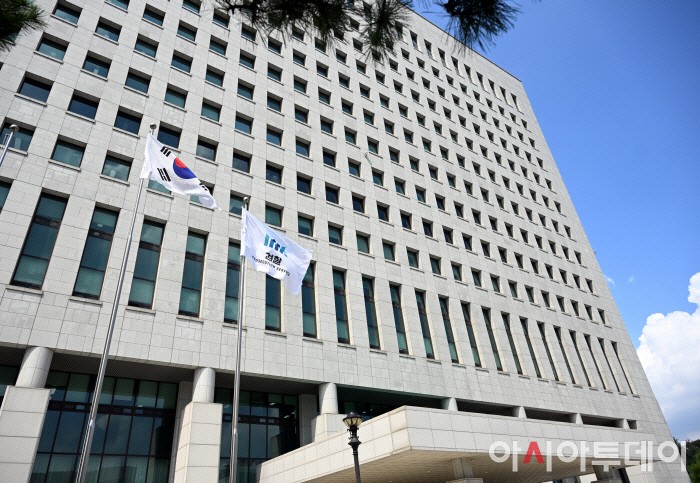 |
| Supreme Prosecutors' Office in Seoul. / Reporter Park Seong-il |
With the pending abolition of the Prosecution Service scheduled for October 2, the number of unresolved cases pending at prosecution offices nationwide exceeded 140,000 in the first half of this year. The backlog, which had been steadily climbing each year following the prosecution-police investigative authority adjustments enacted under the Moon Jae-in administration, has ballooned to a record high, aggravated further by an expanding number of prosecutors dispatched to special counsel teams and a wave of resignations among mid-level prosecutors.
According to the Supreme Prosecutors' Office on July 20, unresolved cases at prosecution offices nationwide stood at 140,513 as of late June this year. This represents an increase of 44,257 cases (46.0%) compared to 96,256 cases recorded at the end of last year.
By district, among the 18 district prosecutors' offices nationwide including branch offices, the Suwon District Prosecutors' Office held the highest number of pending cases at 22,901. It was followed by the Daegu District Prosecutors' Office (12,264 cases), the Incheon District Prosecutors' Office (12,232 cases), and the Uijeongbu District Prosecutors' Office (12,162 cases). In the Seoul region, the Seoul Central District Prosecutors' Office topped the list with 9,089 cases, followed by the Eastern (4,524 cases), Southern (3,682 cases), Northern (3,096 cases), and Western (1,763 cases) district offices.
Unresolved prosecution cases have not declined in a single year since 2021. The adjustment of investigative powers implemented that year reformed the criminal justice system by dispersing prosecution-concentrated powers to the police, granting them primary authority to close investigations. Legal experts analyze that this turning point—which eliminated prosecutors' power to direct police investigations and altered supplementary investigation frameworks—lengthened case processing times and drove a steady rise in pending backlogs. Indeed, unresolved cases, which stood at 30,242 in 2021, have grown nearly 4.6-fold in five years.
Prior to the adjustment, prosecutors could directly direct police investigations, swiftly securing or supplementing necessary evidence. Since the reform, however, the prosecutor's role has been reduced to requesting supplementary investigations from the police. Within the prosecution, views suggest this setup created a "ping-pong" dynamic of shuffling cases back and forth while deferring responsibility, leaving accountability for investigative delays vaguer than before.
In addition to the backlog accumulated since the reform, recent prosecutor staffing shortages have accelerated the increase in unresolved cases. As of July 1 this year, a total of 63 prosecutors were dispatched to various special counsel teams, including 22 to the insurrection special counsel, 19 to the Kim Keon-hee special counsel, 1 to the fallen Marine special counsel, and 14 to the second comprehensive special counsel.
Including prosecutors dispatched to joint task forces covering political-religious collusion and ballot paper shortages, nearly 100 prosecutors are currently absent from their standard duties. Furthermore, 80 prosecutors have departed the prosecution service, 62 of whom were veteran prosecutors with 11 or more years of experience. Concerns have been raised that the loss of senior prosecutors with extensive investigative experience inevitably impacts case processing speeds.
A deputy chief prosecutor at a district prosecutors' office in the capital area remarked, "Under circumstances where supplementary investigations are no longer conducted seamlessly following the investigative power reforms, the overlap of special counsel dispatches and prosecutor resignations has severely worsened the case backlog."
Jeong Min-hoon
Most Read
-
1
Celltrion’s Omlyclo gains ground in major European..

-
2
Trump demands rates fall below 1% as Fed hikes for..

-
3
Hyundai Motor Group breaks ground on integrated st..

-
4
U.S. strikes 3 Iranian oil tankers, Iran vows reta..

-
5
Trump makes $1 trillion bet ahead of midterm elect..

-
6
Iran resumes ballistic missile production, assembl..

-
7
Samsung Electronics, Mistral AI to jointly develop..

PEOPLE






-
Address : In-Young Bldg., 34, Uisadang-daero 1-gil, Yeongdeungpo-gu, Seoul
Copyright by ASIATODAY CO., LTD. All rights resereved