



US April PPI jumps 1.4% as energy shock spreads to services
May 14, 2026, 08:22 am


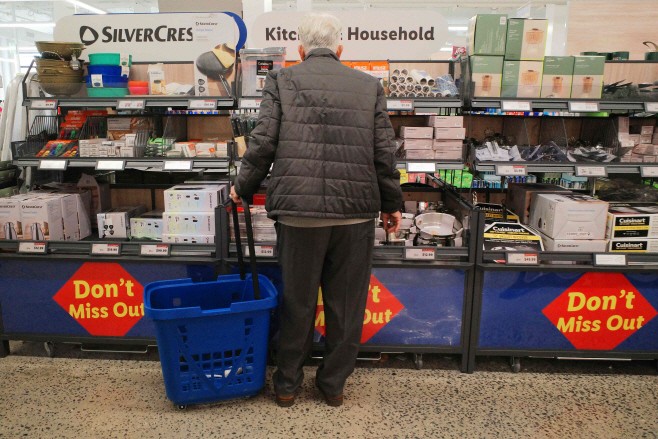 |
| Shoppers buy groceries at a Lidl supermarket in the Crown Heights neighborhood of Brooklyn, New York City, on May 11, as U.S. producer prices surged amid escalating energy costs. /AFP-Yonhap |
U.S. producer prices surged in April, with the Producer Price Index (PPI) rising 1.4% from the previous month and 6.0% from a year earlier, far exceeding market expectations as soaring energy costs and expanding service-sector inflation intensified concerns over persistent price pressures.
The sharp increase reflected the broad economic fallout from the U.S.-Iran conflict and the resulting disruption in global energy supplies. Rising wholesale and retail margins further pushed inflation beyond goods and into services, reinforcing expectations that the Federal Reserve will keep interest rates elevated for longer.
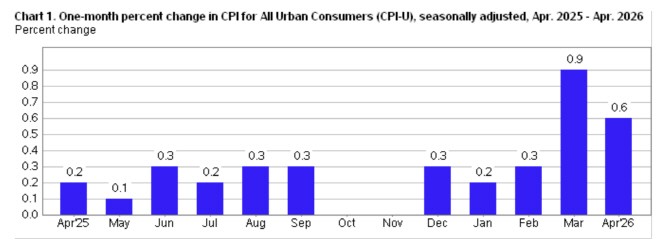 |
| A chart shows changes in the U.S. Producer Price Index (PPI) from April 2025 to April 2026. /U.S. Bureau of Labor Statistics (BLS) screenshot |
The U.S. Bureau of Labor Statistics (BLS) said Wednesday that final demand PPI recorded its largest monthly gain since March 2022, when prices climbed 1.7%. Economists had expected a 0.5% increase.
Annual producer inflation reached its highest level since December 2022. Upward revisions to February and March data also showed stronger inflation momentum than previously estimated.
Energy prices rose 7.8% in April, accounting for more than three-quarters of the increase in goods prices. Diesel prices climbed 12.6% from the previous month, while the nationwide average gasoline price surged 15.6% to $4.51 per gallon, according to AAA.
Service prices rose 1.2%, marking the largest monthly increase in four years and contributing roughly 60% of the overall monthly PPI increase. Trade services, which measure wholesale and retail margins, jumped 2.7%.
Margins for machinery and equipment wholesalers rose 3.5%, while fuel and lubricant retail margins soared 26.6%. Reuters said the increases suggested growing tariff pass-through effects on consumer prices.
Transportation and logistics costs also accelerated. Truck transportation and warehousing services rose 5.0% from the previous month, while AP reported that wholesale trucking costs increased more than 8%.
Economists estimate that April core Personal Consumption Expenditures (PCE) inflation — the Federal Reserve’s preferred inflation gauge — could rise as much as 0.4% month-over-month and 3.4% year-over-year, up from 3.2% in March.
“These figures provide strong evidence that tariff pass-through and energy price shocks are spreading broadly across the economy,” said Stephen Stanley, chief economist at Santander U.S. Capital Markets. “Consumer inflation could remain significantly elevated in the coming months.”
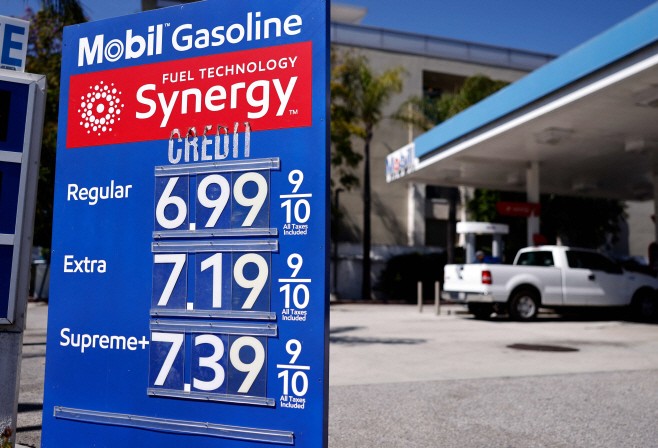 |
| Prices for regular and premium gasoline per gallon (3.785 liters) are displayed at a Mobil gas station in Pasadena, California, on May 11. /AFP-Yonhap |
The inflation surge comes as energy markets remain under severe strain following Iran’s closure of the Strait of Hormuz after joint U.S.-Israeli strikes on Iran in late February. The strait handles roughly one-fifth of global oil and liquefied natural gas shipments.
The International Energy Agency (IEA) warned that global oil inventories are declining at an unprecedented pace, estimating that world oil supply has fallen by 12.8 million barrels per day since February. Crude oil prices have climbed about 78% this year to around $102 per barrel.
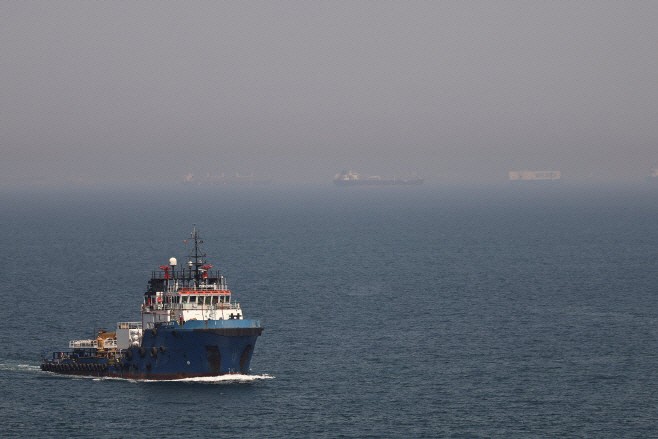 |
| The marine work vessel Zakher Duty is docked at Fujairah Port in the United Arab Emirates on May 6, as maritime traffic through the Strait of Hormuz faces disruptions amid the conflict involving the United States, Israel and Iran. /Reuters-Yonhap |
The supply shock is increasingly affecting consumer goods and food prices. Whirlpool, which owns KitchenAid and Maytag, implemented a 10% price increase in April — its largest in a decade — and announced another 4% increase for July, citing war-related economic disruptions.
According to AP, beef prices have risen 15% from a year earlier, while tomato prices jumped 40% following tariffs on Mexican imports introduced by the Trump administration in July 2025. Coffee prices also climbed 18.5% due to extreme weather conditions.
Rising diesel prices have sharply increased trucking costs, affecting the transport of agricultural products across the United States. Kenneth Foster, an agricultural economist at Purdue University, warned that fertilizer prices could rise further because roughly 30% of global fertilizer shipments pass through the Strait of Hormuz.
Market expectations for Federal Reserve rate cuts have weakened significantly. Economists now expect the Fed to keep benchmark interest rates within the current 3.50%–3.75% range through 2027.
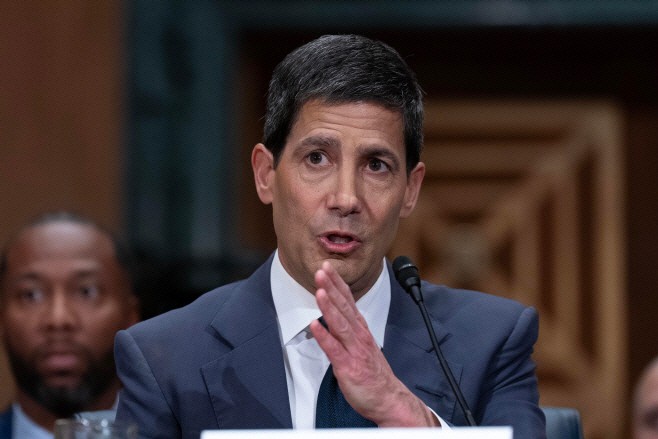 |
| Kevin Warsh, nominee for chair of the U.S. Federal Reserve, testifies during a Senate Banking Committee confirmation hearing at the U.S. Capitol in Washington, D.C., on April 21. /AP-Yonhap |
Kevin Warsh, President Donald Trump’s nominee to succeed Federal Reserve Chair Jerome Powell after his term expires on May 15, is expected to face immediate debate over whether additional rate hikes may be necessary.
John Ryding, chief economic adviser at Brean Capital, said inflation pressures are no longer limited to energy.
“Energy prices are spreading into the broader pricing structure,” he said. “After Warsh takes office, the first policy discussions could become highly contentious, with many participants arguing that rate hikes should remain an option this year.”
#US PPI #producer price index #inflation #Federal Reserve #energy shock
Copyright by Asiatoday
Most Read
-
1
Celltrion’s Omlyclo gains ground in major European..

-
2
Trump demands rates fall below 1% as Fed hikes for..

-
3
Trump makes $1 trillion bet ahead of midterm elect..

-
4
Iran resumes ballistic missile production, assembl..

-
5
Samsung Electronics, Mistral AI to jointly develop..

-
6
Trump warns countries not helping U.S. must pay re..

-
7
Apple launches first foldable, 1 million won prici..

PEOPLE






HEADLINE NEWS
- Trump to roll out ‘unprecedented welcome’ for Xi with B-2 bombers, F-22 fighters
- S. Korea, U.S., and Japan form united front on Taiwan and economic coercion..
- Trump administration moves to impose sweeping sanctions on International Cr..
- Xi to make state visit to U.S. Sept. 23-25, dispelling rumors over his heal..

-
Address : In-Young Bldg., 34, Uisadang-daero 1-gil, Yeongdeungpo-gu, Seoul
Copyright by ASIATODAY CO., LTD. All rights resereved