



US-Iran talks may resume within 48 hours
Apr 15, 2026, 09:18 am


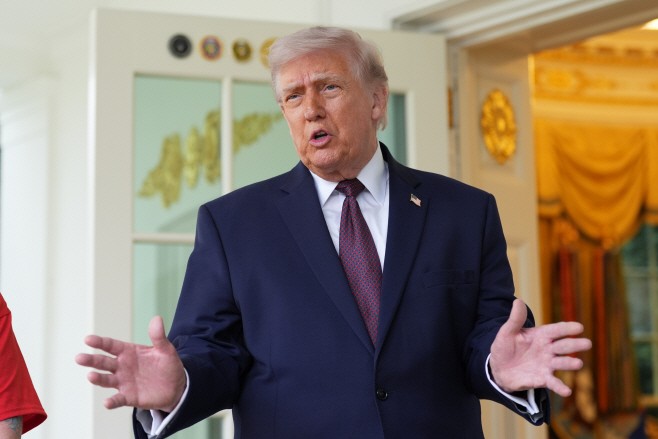 |
| U.S. President Donald Trump speaks to reporters outside the Oval Office at the White House in Washington, D.C., on April 13. /AP-Yonhap News |
The United States and Iran appear poised to resume a second round of negotiations within 48 hours, even as tensions escalate in the Strait of Hormuz, putting diplomatic efforts to the test.
Donald Trump signaled a possible breakthrough, saying in a phone interview that “something could happen within the next two days,” adding that Islamabad is emerging as a likely venue for renewed talks.
According to U.S. officials cited by media reports, a second round of negotiations could take place as early as April 16, either in Islamabad or Geneva, although no final decision has been made.
Expectations for renewed dialogue briefly eased market concerns. Brent crude prices fell about 4% to around $95 per barrel, while the S&P 500 index approached record highs. However, physical oil markets continued to signal tight supply, with Dated Brent prices remaining above $120 per barrel.
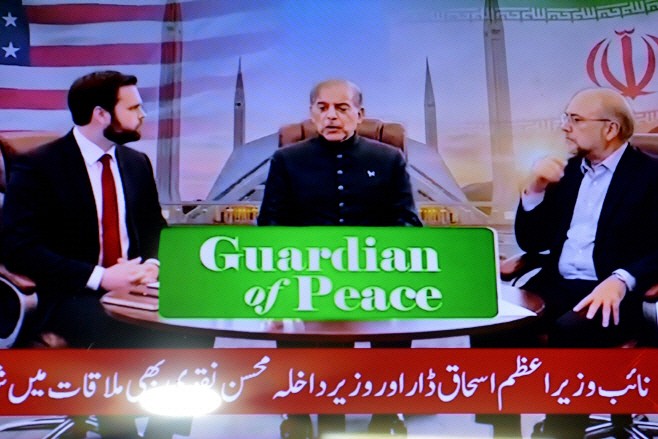 |
| A TV screen capture shows J.D. Vance (left) and Mohammad Bagher Ghalibaf (right) holding ceasefire talks at a hotel in Islamabad, Pakistan, on April 11, mediated by Shehbaz Sharif. /EPA-Yonhap News |
Despite the diplomatic momentum, tensions in the Strait of Hormuz remain high. The U.S. military reported that six commercial vessels turned back under its directives during the first 24 hours of enforcement operations, while at least eight ships still managed to pass through, raising questions about the effectiveness of the blockade.
China, the largest buyer of Iranian oil, criticized the U.S. measures as “dangerous and irresponsible,” while some tankers linked to China were reported to have continued navigating the strait.
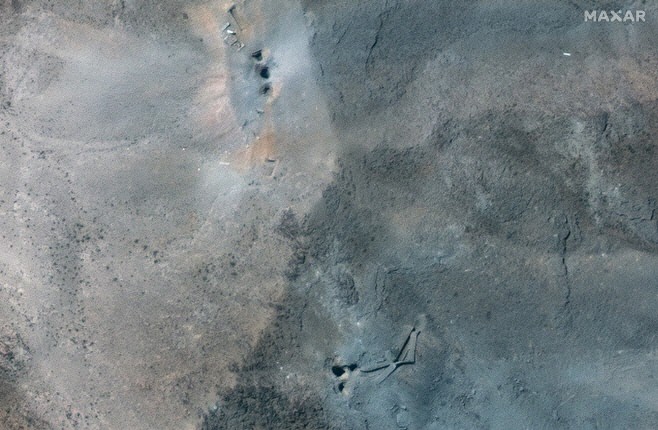 |
| A satellite image taken by Maxar Technologies on June 22, 2025, shows Iran’s Fordow uranium enrichment facility a day after a U.S. airstrike, with multiple craters believed to have been caused by GBU-57 bunker-buster bombs dropped by U.S. Air Force B-2 stealth bombers. /EPA-Yonhap News |
At the core of the negotiations is a fundamental disagreement over Iran’s nuclear program. The U.S. is demanding a comprehensive dismantlement, including enrichment capabilities and centrifuges, while Iran has proposed only a temporary suspension of 3 to 5 years.
Reports indicate that U.S. Vice President J.D. Vance proposed a 20-year halt to Iran’s nuclear activities, but Tehran rejected the plan, countering with its shorter-term proposal. Trump reiterated that Iran “must never obtain nuclear weapons,” while opposing any deal that could be perceived as a victory for Tehran.
Analysts warn that increasing pressure may backfire. Christine Wormuth of the Nuclear Threat Initiative said, “The more pressure applied, the more Iran’s leadership may feel compelled to accelerate nuclear development,” noting the regime’s historical resilience.
With a ceasefire set to expire on April 21, the risk of renewed conflict remains high, leaving the upcoming negotiations as a critical test for diplomacy in a volatile region.
#US Iran talks #Donald Trump #Hormuz Strait #nuclear negotiations #oil prices
Copyright by Asiatoday
Most Read
-
1
Celltrion’s Omlyclo gains ground in major European..

-
2
Trump demands rates fall below 1% as Fed hikes for..

-
3
Trump makes $1 trillion bet ahead of midterm elect..

-
4
Iran resumes ballistic missile production, assembl..

-
5
Samsung Electronics, Mistral AI to jointly develop..

-
6
Trump warns countries not helping U.S. must pay re..

-
7
Apple launches first foldable, 1 million won prici..

PEOPLE






HEADLINE NEWS
- Trump to roll out ‘unprecedented welcome’ for Xi with B-2 bombers, F-22 fighters
- S. Korea, U.S., and Japan form united front on Taiwan and economic coercion..
- Trump administration moves to impose sweeping sanctions on International Cr..
- Xi to make state visit to U.S. Sept. 23-25, dispelling rumors over his heal..

-
Address : In-Young Bldg., 34, Uisadang-daero 1-gil, Yeongdeungpo-gu, Seoul
Copyright by ASIATODAY CO., LTD. All rights resereved