



Korea semiconductor ETFs converge on two-chip giants
Apr 13, 2026, 08:20 am


 |
| The image was generated using AI. |
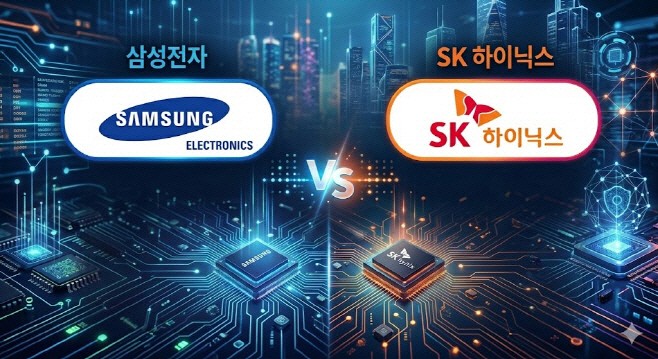
A wave of semiconductor-themed ETFs launched by Korean asset managers is showing little differentiation, with most portfolios heavily concentrated in Samsung Electronics and SK hynix.
According to industry data on April 12, newly listed domestic semiconductor ETFs this year include products from KB Asset Management, Samsung Asset Management, and Shinhan Asset Management, with additional listings from Hana Asset Management scheduled.
Despite variations in naming and structure, many of these ETFs share a similar formula. Bond-mixed products typically allocate 25% each to Samsung Electronics and SK hynix, with the remaining 50% invested in government bonds. Upcoming ETFs follow nearly identical structures.
Concentration becomes even more pronounced in equity-focused ETFs. Some products assign around 27.5% each to the top two semiconductor stocks, effectively pushing combined exposure to Samsung Electronics and SK hynix to as much as 55%.
Similarly, Shinhan Asset Management’s ETF directly allocates 25% to each company, with an additional 15% invested in SK Square, the largest shareholder of SK hynix. When indirect exposure is included, total weighting linked to the two chipmakers rises to around 65%.
Across most domestic semiconductor ETFs launched this year, the combined weighting of Samsung Electronics and SK hynix hovers around 50%. While some managers attempt differentiation by adding bonds or incorporating holding companies, the core investment thesis remains largely unchanged.
This trend reflects strong investor demand driven by the semiconductor rally, which has pushed related ETFs to top-tier returns and attracted significant retail inflows. An industry official said asset managers are more likely to tweak structures around proven stocks than introduce untested themes.
However, questions remain about whether such products truly expand diversification options. Bond-mixed ETFs lower volatility but still allocate half of equity exposure to the two companies, while concentrated products increase reliance on them even further.
Market observers note that despite the growing number of semiconductor ETFs, most domestic offerings ultimately compete over how to structure exposure to Samsung Electronics and SK hynix, rather than offering fundamentally distinct investment strategies.
An industry insider said, “Given that market capitalization and earnings in Korea’s semiconductor industry are heavily concentrated in Samsung Electronics and SK hynix, it is difficult for ETFs to avoid them,” adding that efforts to diversify through bonds, holding firms, or materials and equipment stocks still represent meaningful attempts to vary investment characteristics.
#semiconductor ETF #Samsung Electronics #SK hynix #asset management #bond mixed ETF
Copyright by Asiatoday
Most Read
-
1
Celltrion’s Omlyclo gains ground in major European..

-
2
Trump demands rates fall below 1% as Fed hikes for..

-
3
Trump makes $1 trillion bet ahead of midterm elect..

-
4
Iran resumes ballistic missile production, assembl..

-
5
Trump warns countries not helping U.S. must pay re..

-
6
Apple launches first foldable, 1 million won prici..

-
7
Turkish Airlines named main club partner of Liverp..

PEOPLE







-
Address : In-Young Bldg., 34, Uisadang-daero 1-gil, Yeongdeungpo-gu, Seoul
Copyright by ASIATODAY CO., LTD. All rights resereved