



Fuel prices set to exceed 2,000 won per liter
Mar 27, 2026, 09:47 am


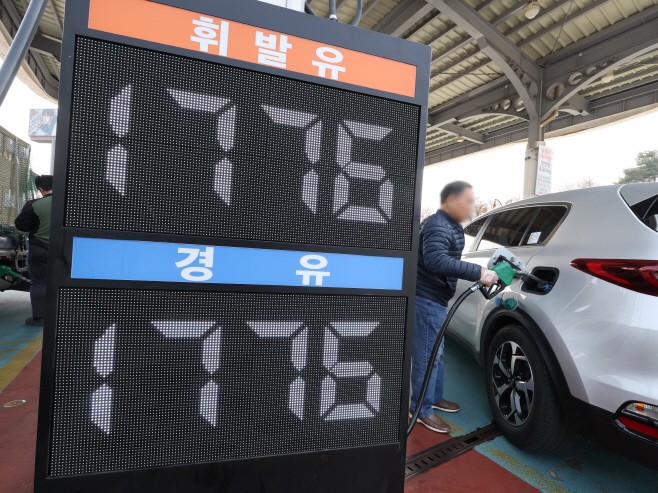 |
| Citizens refuel their vehicles at a gas station in Seocho-gu, Seoul, on March 26, a day before the government announced the second fuel price cap. / Yonhap |
Fuel prices in South Korea are expected to exceed 2,000 won per liter as the government’s second round of price caps takes effect on March 27.
Starting at midnight, the government raised the ceiling on wholesale gasoline prices by 210 won to 1,934 won per liter. Diesel and kerosene caps were also increased to 1,923 won and 1,530 won, respectively.
With wholesale prices now exceeding the 1,900-won range, retail prices at gas stations are expected to form in the low 2,000-won range.
The second price cap follows the initial measure introduced on March 13, which aimed to shield consumers from surging global oil prices. The new adjustment reflects a more balanced approach, allowing partial price increases while limiting the burden on households as the energy crisis continues.
According to the Ministry of Trade, Industry and Energy, the revised caps reflect international oil price fluctuations while also considering their impact on domestic inflation.
Officials said it may take two to three days for the new prices to fully appear at gas stations, depending on existing inventory levels.
The government has also extended fuel tax cuts through the end of May and expanded the reduction rates to 15% for gasoline and 25% for diesel.
Authorities estimate that without the price cap, fuel costs could have been 200 to 500 won higher per liter.
The new pricing scheme will remain in effect for about two weeks, until April 9.
#fuel prices #South Korea oil price cap #gasoline price #diesel price #energy crisis
Copyright by Asiatoday
Most Read
-
1
Celltrion’s Omlyclo gains ground in major European..

-
2
Trump demands rates fall below 1% as Fed hikes for..

-
3
Trump makes $1 trillion bet ahead of midterm elect..

-
4
Iran resumes ballistic missile production, assembl..

-
5
Trump warns countries not helping U.S. must pay re..

-
6
Apple launches first foldable, 1 million won prici..

-
7
Turkish Airlines named main club partner of Liverp..

PEOPLE







-
Address : In-Young Bldg., 34, Uisadang-daero 1-gil, Yeongdeungpo-gu, Seoul
Copyright by ASIATODAY CO., LTD. All rights resereved