



Korea to select regional doctors from 10% of medical school quota
Mar 11, 2026, 08:16 am


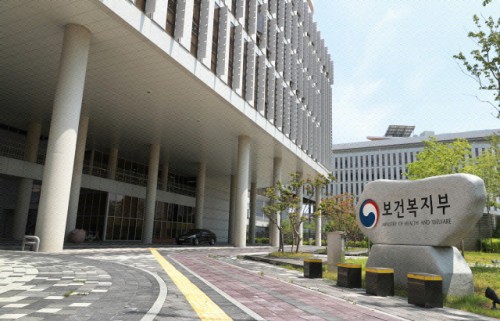 |
| A view of the Ministry of Health and Welfare building in Sejong. / Ministry of Health and Welfare |
South Korea will introduce a new program requiring at least 10 percent of medical school admissions outside Seoul to be selected as “regional doctors,” who must work in their local areas for 10 years after graduation.
The plan was approved at a Cabinet meeting on March 10 as part of the enforcement decree and rules for the Act on Fostering and Supporting Regional Doctors, aimed at addressing healthcare disparities between metropolitan and non-metropolitan regions.
Under the new system, medical schools outside Seoul must select regional doctor candidates from students who graduated from middle and high schools in the same region. These doctors will be required to serve in their local communities for 10 years after obtaining their medical licenses.
The Ministry of Health and Welfare said the program is expected to help narrow regional healthcare gaps by encouraging locally trained doctors to remain and practice in their home regions even after their mandatory service period ends.
Regional doctors will play key roles in implementing government healthcare welfare policies within their communities. The program also allows participants to pursue additional training related to public healthcare, including integrated care and services for medically underserved areas.
The specialty fields available to regional doctors seeking board certification will be determined by the health minister based on regional healthcare needs and available medical resources. The decision reflects the structure of the mandatory service period, which includes one year of internship and three to four years of residency training, leaving about five years for actual service in the designated region.
In addition to the admission-based program, the government will introduce a “contract-based regional doctor” system targeting fully trained specialists who voluntarily choose to work in regional areas.
Under this program, doctors will sign contracts of between five and seven years, with the option to extend their service to up to 10 years. Specialists working in essential medical fields at regional hospitals will receive a monthly regional service allowance of 4 million won along with settlement support.
However, the medical community has expressed skepticism about the contract-based system. Some physicians argue that the additional allowance could create disparities within hospital salary structures.
Kim Jae-yeon, president of the Korean Society of Obstetrics and Gynecology, said the system could lead to dissatisfaction among experienced medical staff.
“If a physician who has worked for 20 years receives only about 2 million won more in salary, it could cause resentment when a junior doctor receives an additional 4 million won in regional service allowances,” Kim said.
She also pointed out that in smaller towns and rural areas with limited patient demand, it may be difficult to sustain essential medical clinics. She suggested considering additional regional health insurance incentives and lowering recruitment standards to allow greater participation from senior doctors willing to work in underserved areas.
#regional doctor program #medical school quota #rural healthcare #healthcare disparity
Copyright by Asiatoday
Most Read
-
1
Celltrion’s Omlyclo gains ground in major European..

-
2
Trump demands rates fall below 1% as Fed hikes for..

-
3
Hyundai Motor Group breaks ground on integrated st..

-
4
U.S. strikes 3 Iranian oil tankers, Iran vows reta..

-
5
Trump makes $1 trillion bet ahead of midterm elect..

-
6
Iran resumes ballistic missile production, assembl..

-
7
Samsung Electronics, Mistral AI to jointly develop..

PEOPLE







-
Address : In-Young Bldg., 34, Uisadang-daero 1-gil, Yeongdeungpo-gu, Seoul
Copyright by ASIATODAY CO., LTD. All rights resereved