



K-pop groups keep names after leaving agencies
Mar 10, 2026, 09:07 am


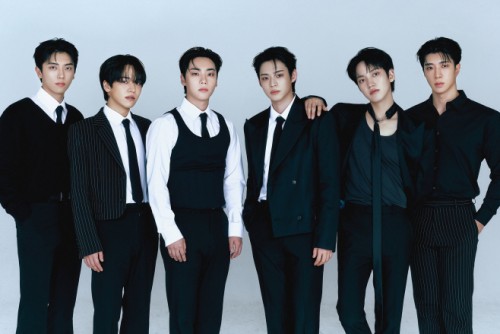 |
| K-pop group ONF recently signed an exclusive contract with KI Entertainment on March 5, marking a new chapter while continuing to use their established team name. /KI Entertainment |
In the past, K-pop idol group names were typically treated as assets owned by entertainment agencies. Since companies handled the planning, training and debut process, they usually registered and controlled the trademarks associated with group names.
As a result, many artists who left their agencies were unable to continue using their team names.
In recent years, however, the structure surrounding trademark rights in the K-pop industry has begun to change. Group names are increasingly viewed not simply as trademarks but as intellectual property (IP) built on global fan bases, leading to more flexible arrangements for trademark ownership and management.
Some companies now transfer trademark rights to artists or manage them jointly, allowing groups to maintain their brand identity even after leaving their original agencies.
The group ONF recently announced a new start after signing an exclusive contract with KI Entertainment while continuing to promote under the same name they have used since their debut.
Earlier examples include Shinhwa, which maintained its brand after leaving SM Entertainment despite a legal dispute over the “Shinhwa” trademark by establishing its own company. Groups such as Beast and GOT7 have also continued using their names after departing from their agencies.
Industry observers say the shift reflects the broader growth of the K-pop industry. As the global market expands, group names themselves have come to be recognized as valuable brands and intellectual property.
Pop culture critic Park Song-a explained that during the early stages of the K-pop industry, entertainment agencies handled most aspects of idol production, so group names were naturally considered company assets.
“After the global expansion of K-pop, team names began to extend beyond albums and concerts to content production, collaborations and merchandise businesses,” Park said. “As their value increased, the structure of rights ownership has gradually become more flexible.”
Even when artists leave their original agencies, the relationship is not always completely severed. In many cases, companies maintain revenue arrangements through trademark licensing or shared management agreements.
Today, a K-pop group’s name represents far more than a simple label. It embodies years of music, performances and the memories of fans, functioning as an important brand within the K-pop ecosystem.
Park added that the value of such names will likely continue to grow as the industry expands globally.
“Considering the accumulated fandom, content and brand recognition built in international markets, a group’s name has become closer to a long-term cultural asset than just a trademark,” she said.
#K-pop trademark rights #ONF #GOT7 #Shinhwa #Beast Highlight
Copyright by Asiatoday
Most Read
-
1
Celltrion nears additional contract with major U.S..

-
2
Putin proposes trilateral U.S.-China-Russia summit..

-
3
U.S. weighs dropping MOAB, world's most powerful n..

-
4
"Aren't those foreigners on welfare?": M..

-
5
Attention centers on APEC for possible Trump-Xi-Pu..

-
6
Saudi Arabia, Iran hold first diplomatic talks to..

-
7
U.S., Israel plan to resume strikes on Iran after..

PEOPLE







-
Address : In-Young Bldg., 34, Uisadang-daero 1-gil, Yeongdeungpo-gu, Seoul
Copyright by ASIATODAY CO., LTD. All rights resereved