



One in four adults suffers from metabolic dysfunction-associated steatotic liver disease
Aug 20, 2026, 10:19 am


 |
| / Getty Images Bank |
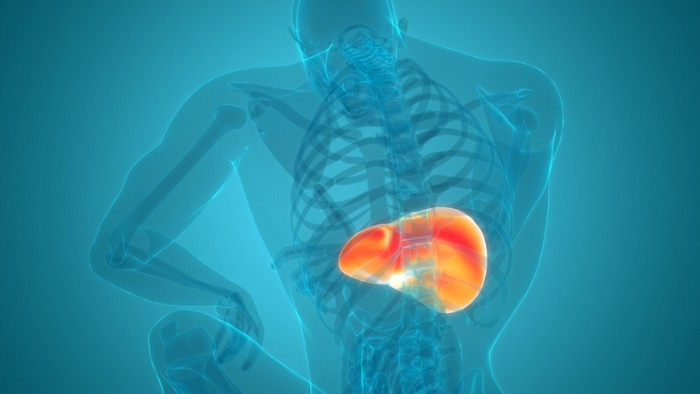
Healthy lifestyle habits have been confirmed to reduce the risk of metabolic dysfunction-associated steatotic liver disease. Metabolic dysfunction-associated steatotic liver disease is reported to have a prevalence rate of about one in four Korean adults.
On August 19, the Korea Disease Control and Prevention Agency, together with the National Institute of Health, analyzed the relationship between four healthy lifestyle habits—a healthy diet, adequate physical activity, non-smoking, and adequate sleep—and metabolic dysfunction-associated steatotic liver disease using data from 23,111 adult men and women aged 19 to 80 who participated in the Korea National Health and Nutrition Examination Survey (2016–2021). The results showed that the more healthy lifestyle habits individuals practiced, the lower their likelihood of having metabolic dysfunction-associated steatotic liver disease.
Compared to the group that practiced 0 to 1 healthy lifestyle habit, the risk was 17.5 percent lower in the group practicing two habits, and 28.6 percent lower in the group practicing three to four habits.
Metabolic dysfunction-associated steatotic liver disease is a chronic liver condition in which fat accumulates in the liver while accompanied by cardiometabolic risk factors such as obesity and diabetes. Previously referred to as "non-alcoholic fatty liver disease," it requires ongoing management because it can progress to liver cirrhosis or is associated with cardiovascular disease.
In particular, an analysis combining lifestyle factors revealed that practicing a healthy diet, adequate physical activity, and non-smoking together reduced the risk of metabolic dysfunction-associated steatotic liver disease by approximately 32 percent, showing the most pronounced reduction effect. This is of significant importance as it confirms the impact of "composite healthy lifestyle habits," rather than a single habit, on liver health.
The research team explained, "Metabolic dysfunction-associated steatotic liver disease is closely linked to diverse cardiometabolic risk factors such as obesity, insulin resistance, and blood pressure and lipid abnormalities, making routine lifestyle management essential. This study is meaningful in that it confirmed the link between healthy lifestyle habits and metabolic dysfunction-associated steatotic liver disease using Korea National Health and Nutrition Examination Survey data representing domestic adults."
Kim Won-ho, head of the Division of Chronic Disease Convergence Research at the National Institute of Health, stated, "Metabolic dysfunction-associated steatotic liver disease is not limited to liver conditions alone and can also be linked to the burden of chronic diseases such as cardiovascular conditions, making early prevention and management vital. We will continue to build the scientific evidence needed to formulate lifestyle improvement and chronic disease prevention strategies to promote public health."
Lee Jeong-yeon
Most Read
-
1
Celltrion nears additional contract with major U.S..

-
2
"Aren't those foreigners on welfare?": M..

-
3
U.S. weighs dropping MOAB, world's most powerful n..

-
4
Houthis launch successive attacks on Saudi airport..

-
5
Saudi Arabia, Iran hold first diplomatic talks to..

-
6
Saudi airport in Riyadh struck again, leaving at l..

-
7
Five ASEAN countries welcome Myanmar coup leader

PEOPLE






HEADLINE NEWS
- Trump's approval rating hits low of 33% as public turns back over soaring inflation
- Trump says Hyundai announced 748.6-billion-won investment in Georgia
- China tightens grip on boosting domestic demand and expanding anti-graft dr..
- Food prices jump 35% over 10 years, fueling massive protests by 800,000 acr..

-
Address : In-Young Bldg., 34, Uisadang-daero 1-gil, Yeongdeungpo-gu, Seoul
Copyright by ASIATODAY CO., LTD. All rights resereved