



Taiwan considers AI chip export ban to China in line with US policy
Jun 10, 2026, 02:54 pm


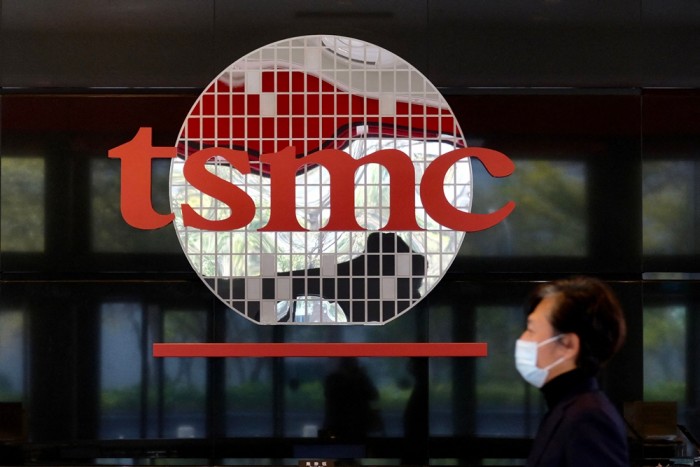 |
| A man walks past the headquarters of TSMC in Hsinchu, Taiwan. / AFP·Yonhap |
The Taiwanese government is reviewing measures to significantly strengthen controls on artificial intelligence (AI) chip exports to China in line with U.S. policy, Bloomberg reported on June 10.
The purpose of the move is to give authorities more legal tools to prevent advanced hardware — such as AI servers equipped with Nvidia semiconductors — from being rerouted through Taiwan into China. If implemented, the measure could provoke strong backlash from Beijing.
Since 2022, the United States has required its companies to obtain government approval before exporting advanced processors to China, aiming to prevent Beijing from using Nvidia’s cutting-edge chips to gain military advantages.
According to anonymous sources, Taiwanese officials are considering stricter controls as part of ongoing trade talks with Washington. The plan would expand restrictions beyond blacklisted firms such as Huawei to cover all customers in China.
If enacted, Taiwan would be able to criminalize and prosecute illicit exports of AI chips to China, similar to U.S. regulations.
Taiwanese companies such as Gigabyte and Asus, which assemble Nvidia-based servers, could face heavier compliance burdens under the new rules.
Taiwan’s Ministry of Economic Affairs stated: “We will continue strengthening oversight of strategic high-tech items to better align with international export control regimes. Taiwan and the U.S. are currently in talks regarding the inclusion of advanced semiconductors in the scope of regulation.”
China is expected to react sharply if the measures are adopted. Last year, when Taiwan blacklisted Huawei and Semiconductor Manufacturing International Corporation (SMIC), China’s foreign ministry accused President Lai Ching-te’s Democratic Progressive Party of “kneeling before the U.S. and currying favor, which only harms and undermines Taiwan’s interests.”
Kim Hyun-min
Most Read
-
1
Celltrion’s Omlyclo gains ground in major European..

-
2
Trump demands rates fall below 1% as Fed hikes for..

-
3
Trump makes $1 trillion bet ahead of midterm elect..

-
4
Iran resumes ballistic missile production, assembl..

-
5
Samsung Electronics, Mistral AI to jointly develop..

-
6
Trump warns countries not helping U.S. must pay re..

-
7
Apple launches first foldable, 1 million won prici..

PEOPLE






HEADLINE NEWS
- Trump to roll out ‘unprecedented welcome’ for Xi with B-2 bombers, F-22 fighters
- S. Korea, U.S., and Japan form united front on Taiwan and economic coercion..
- Trump administration moves to impose sweeping sanctions on International Cr..
- Xi to make state visit to U.S. Sept. 23-25, dispelling rumors over his heal..

-
Address : In-Young Bldg., 34, Uisadang-daero 1-gil, Yeongdeungpo-gu, Seoul
Copyright by ASIATODAY CO., LTD. All rights resereved