



[Exclusive] Police to unify inspector general offices for misconduct probes
Jun 10, 2026, 01:40 pm


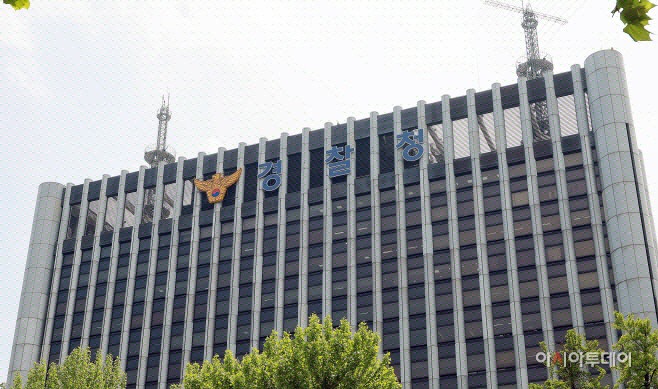 |
| National Police Agency building. / Park Sung-il, Reporter |
The National Police Agency is moving to consolidate investigative misconduct oversight, currently handled by the National Investigation Headquarters, into the Inspector General’s Office. The plan aims to strengthen accountability and internal controls by streamlining the system, which has been divided between general oversight and investigation-related oversight.
On June 10, the agency announced it is preparing reforms under the framework of “zero tolerance for investigative misconduct and enhanced protection for proactive administration.” The core measure is transferring investigative oversight functions from the National Investigation Headquarters to the Inspector General’s Office. By centralizing oversight, police intend to tighten continuous monitoring of serious misconduct such as bribery, improper investigations, and leaks of investigative information.
Previously, oversight functions were split: the Inspector General’s Office handled general misconduct, while the National Investigation Headquarters — through its Human Rights Division — oversaw investigation-related misconduct. This dual system was introduced to ensure independence and expertise, but internally, questions have arisen about whether such duplication is necessary.
If implemented, post-misconduct oversight — including investigations and disciplinary requests — will be reorganized under the Inspector General’s Office. The National Investigation Headquarters will instead focus more on reviewing and evaluating the appropriateness of investigative procedures. With police investigative authority expanded after jurisdictional reforms, the move is seen as clarifying controls over misconduct and inadequate investigations.
The agency also plans targeted audits of vulnerable precincts, including those with bribery cases, leaks of investigative information, or insufficient victim protection measures. Oversight will extend to monitoring compliance with bans on private contact and case inquiries, aimed at preventing inappropriate interactions with case stakeholders.
Dedicated functions for handling internal corruption will also be reorganized. The agency intends to strengthen reporting and oversight systems for major misconduct cases, ensure follow-up checks after guilty verdicts, and revise police service regulations. Specific audits of key policies and compliance monitoring will accompany these measures to entrench the principle of zero tolerance for misconduct.
However, full implementation requires adjustments to organizational responsibilities and internal regulations. The agency emphasized that preventive oversight functions will remain, ensuring potential issues are identified early in the investigative process rather than only after misconduct occurs.
A police official stated, “Previously, the Inspector General’s Office handled general oversight while investigative oversight was managed by the Human Rights Division. There has been a sense that duplicating these functions is unnecessary. We are preparing to consolidate oversight, including investigative misconduct, under the Inspector General’s Office.” The official added, “Procedures are not yet finalized, and preventive checks will continue.”
Seol So-young
Most Read
-
1
Celltrion’s Omlyclo gains ground in major European..

-
2
Trump demands rates fall below 1% as Fed hikes for..

-
3
Hyundai Motor Group breaks ground on integrated st..

-
4
U.S. strikes 3 Iranian oil tankers, Iran vows reta..

-
5
Trump makes $1 trillion bet ahead of midterm elect..

-
6
Iran resumes ballistic missile production, assembl..

-
7
Samsung Electronics, Mistral AI to jointly develop..

PEOPLE







-
Address : In-Young Bldg., 34, Uisadang-daero 1-gil, Yeongdeungpo-gu, Seoul
Copyright by ASIATODAY CO., LTD. All rights resereved