



Korea CDC unveils advanced crisis system, moves beyond uniform distancing
Jun 10, 2026, 10:37 am


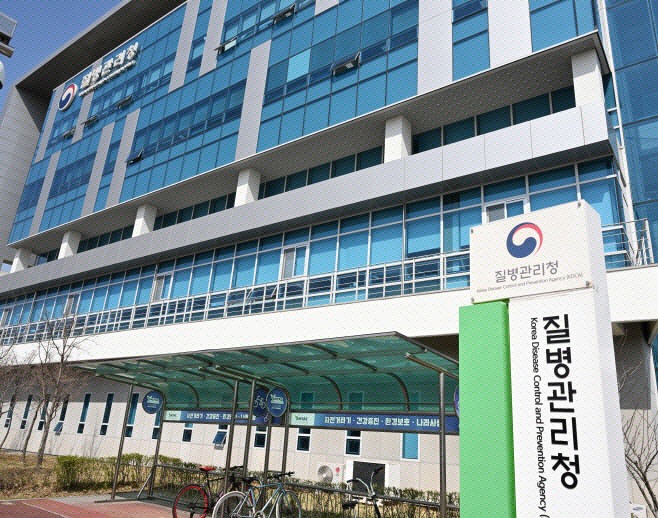 |
| A general view of the headquarters of the Korea Disease Control and Prevention Agency. |
The South Korean government announced that, in the event of a future emerging infectious disease crisis, it will adopt an evidence-based, tailored disease-control system rather than relying on the blanket social restrictions used in the past.
According to the “Plan to Advance the Infectious Disease Crisis Management System” released by the Korea Disease Control and Prevention Agency (KDCA) on June 10, infectious diseases will be classified into two categories: “limited-transmission type,” which can potentially be eliminated domestically, and “pandemic type,” in which long-term coexistence is unavoidable. Different alert criteria and command structures will be applied to each type to improve efficiency.
The government also plans to utilize hospital-bed resources according to the type and stage of an infectious disease crisis so that infectious-disease response can operate alongside the general healthcare system. During the early stages of both limited-transmission and pandemic-type outbreaks, specialized infectious-disease hospitals at the national and regional levels will lead concentrated and proactive responses. In the middle and later stages of a pandemic, regional infectious-disease centers will support patient referrals, transfers, and technical assistance, while local infectious-disease treatment hospitals will handle mild cases, facilitating a transition to the general healthcare system.
Uniform restrictions in the past caused substantial damage to small businesses and others. To address this, the government will establish the scope of social response measures—such as limits on gatherings, social distancing, and movement restrictions—based on scientific evidence and principles of fairness. It plans to create an “Infectious Disease Crisis Social Response Manual” outlining application criteria and decision-making procedures.
In addition, a new cremation-data-based mortality surveillance system will be introduced to rapidly detect abnormal signs when deaths exceed expected mortality levels.
Full-cycle vaccine safety management from procurement to post-vaccination
During a crisis, the government will strengthen vaccine supply capabilities by building cooperative networks with domestic and foreign pharmaceutical companies and international vaccine organizations.
Before vaccines are introduced, a joint public-private Rapid Vaccine Introduction Subcommittee will be operated to proactively assess vaccine safety and effectiveness, establishing a formal verification system.
In response to issues that emerged regarding COVID-19 vaccine side effects and management shortcomings, the government also plans to strengthen vaccine quality control throughout the entire lifecycle. An integrated reporting system for quality issues involving vaccines used in the national immunization program will be established, enabling faster processing of reports and, when necessary, prompt measures such as recalls or suspension of vaccinations. Investigation deadlines will be set, and information sharing will be enhanced.
For exceptional situations such as emergency-use authorizations, detailed procedures will also be established to address temperature deviations at medical institutions in order to ensure safe vaccination practices.
The government plans to actively monitor adverse reactions and establish a more rational compensation system. In addition to the existing passive reporting system, survey-based active reporting will be introduced, and overseas adverse-event data will be monitored regularly.
The linkage between the national immunization database and national health insurance medical-use big data will be expanded to cover all vaccines in the national immunization program. The data linkage cycle will also be shortened to enable earlier detection of safety signals.
Training for epidemiological investigators will be strengthened, and information sharing—including epidemiological findings related to severe adverse cases—with the Ministry of Food and Drug Safety will become routine. This is intended to improve the ability to identify vaccine-related clues and enhance vaccine safety.
For vaccines introduced during a pandemic, the government plans to redesign the compensation system by considering various factors. It will also respond quickly to false or manipulated information regarding vaccination in order to prevent declines in vaccination rates.
Additional measures include strengthening clinical research capabilities for infectious diseases, advancing rapid vaccine and therapeutic development systems, and reinforcing mission-oriented infectious-disease research and development (R&D) strategies.
KDCA Commissioner Lim Seung-kwan said, “This plan to advance the infectious disease crisis management system focuses on ensuring continuity, efficiency, sustainability, and resilience in responding to the next infectious disease crisis, which is certain to occur again even though its timing is unpredictable. Even when the next crisis arrives, we will ensure that this advanced system functions naturally to protect the lives of the public and preserve the value of everyday life, creating a safer future.”
Lee Jung-yeon
Most Read
-
1
Celltrion’s Omlyclo gains ground in major European..

-
2
Trump demands rates fall below 1% as Fed hikes for..

-
3
Hyundai Motor Group breaks ground on integrated st..

-
4
U.S. strikes 3 Iranian oil tankers, Iran vows reta..

-
5
Trump makes $1 trillion bet ahead of midterm elect..

-
6
Iran resumes ballistic missile production, assembl..

-
7
Samsung Electronics, Mistral AI to jointly develop..

PEOPLE







-
Address : In-Young Bldg., 34, Uisadang-daero 1-gil, Yeongdeungpo-gu, Seoul
Copyright by ASIATODAY CO., LTD. All rights resereved