



Why did major altconins dip by more than 10%?
Jun 05, 2026, 02:31 pm


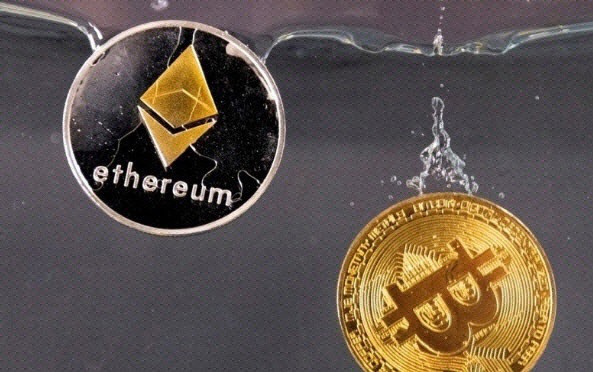 |
| Coin image. / Yonhap |
Major altcoins have all plunged, expanding volatility in the cryptocurrency market. Analysts interpret this as the result of weakened Bitcoin prices, heightened geopolitical risks in the Middle East, and uncertainty over U.S. interest rate cuts, which together have dampened investor sentiment.
As of 1:30 p.m. on June 5, according to CoinMarketCap, Ethereum (ETH), a leading altcoin, was trading at $1,719, down 13.92% from a week earlier. Other major altcoins also showed weakness at the same time: BNB fell 6.24%, XRP dropped 12.87%, and Solana (SOL) plunged 17.64%.
The recent altcoin slump is seen as being influenced by Bitcoin’s decline, which fell more than 13% over the same period. As Bitcoin corrected, selling pressure concentrated on altcoins, which are relatively more volatile.
Rising tensions in the Middle East also weighed on investor sentiment. On June 4 (local time), Hezbollah leader Naim Qassem rejected a ceasefire plan agreed upon by Israel and Lebanon under U.S. mediation. In response, Israeli Defense Minister Israel Katz stated that Israeli forces would not withdraw from southern Lebanon, reigniting tensions.
The weakening of expectations for a Federal Reserve rate cut also contributed to the downturn in the crypto market. Kim Min‑seung, head of Korbit Research Center, explained: “The most recent U.S. Consumer Price Index (CPI) rose 3.8% year‑on‑year in April, up from 3.3% the previous month. With renewed fighting in the Middle East driving oil prices higher and risks in the Strait of Hormuz persisting, inflationary pressures have increased. As a result, expectations that the Fed will rush to cut rates have weakened.”
Experts believe market volatility is likely to continue for the time being. Since altcoins have larger price swings than Bitcoin, they are more sensitive to changes in investor sentiment.
However, moves toward regulatory integration are seen as a positive signal. Kim noted: “In the draft strategic plan for fiscal years 2026–2030 released by the U.S. Securities and Exchange Commission (SEC) on June 2, establishing a rational and consistent regulatory framework for digital assets and distributed ledger technology (DLT) was included as a major task. It is unusual for digital assets to be officially designated as a strategic priority in the SEC’s plan.” He added: “Currently, it is still at the public comment stage, so it will take time before it becomes actual regulation. Comments will be accepted until July 2.”
Meanwhile, the crypto market’s Fear & Greed Index recorded 12 points, entering the “Extreme Fear” zone. The closer the index is to 0, the greater investors’ fear, indicating a higher possibility of overselling; conversely, the closer to 100, the stronger greed sentiment, suggesting a higher likelihood of market correction.
Kim Yoon‑hee
Most Read
-
1
Kia Sportage outperforms Mazda CX-5 in German auto..

-
2
Houthis launch successive attacks on Saudi airport..

-
3
Saudi Arabia, Iran hold first diplomatic talks to..

-
4
U.S. deploys carrier, 10,000 more troops to Middle..

-
5
Saudi airport in Riyadh struck again, leaving at l..

-
6
Putin's ally visits China on the 8th ahead of APEC..

-
7
Chinese military support and training center opens..

PEOPLE






HEADLINE NEWS

-
Address : In-Young Bldg., 34, Uisadang-daero 1-gil, Yeongdeungpo-gu, Seoul
Copyright by ASIATODAY CO., LTD. All rights resereved