



Mideast war stokes oil rally, sending CPI past 3%
Jun 02, 2026, 11:14 am


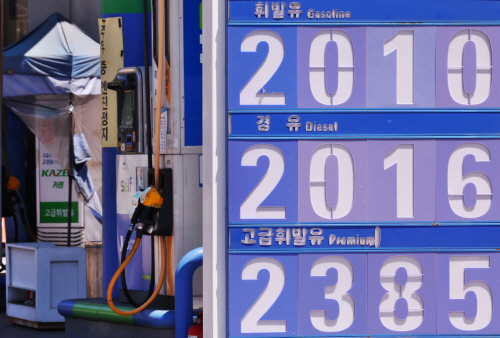 |
| A view of a gas station in Seoul on the 31st of last month. / Photo via Yonhap News |
The prolonged war in the Middle East drove the increase in consumer prices last month to a 26-month high. As conflict in the Middle East led to a surge in international oil prices, petroleum products recorded their highest increase since the Russia-Ukraine war, impacting overall domestic prices.
According to the 'May Consumer Price Trends' released by the National Data Agency on the 2nd, the consumer price index last month stood at 119.92 (2020=100), up 3.1 percent from the same month last year. This marks the first time the price index has risen by 3 percent or more year-on-year in 26 months, since March 2024.
This was driven by the rise in international oil prices due to the war in the Middle East. Petroleum product prices last month surged 24.2 percent year-on-year, hitting the highest level since July 2022, when the Russia-Ukraine war was at its peak. Gasoline and diesel rose by 23.1 percent and 33.3 percent, respectively, while kerosene also increased by 21.7 percent.
The surge in petroleum products also expanded the gains in the industrial products and services sectors. Industrial products rose 4.2 percent year-on-year, while services increased by 2.8 percent. In particular, international airfares, which are directly affected by oil prices, soared 33.3 percent, and overseas group tour expenses jumped 26.3 percent.
The increase in perceived prices was also pronounced. The living necessities price index—which tracks 144 items with high purchase frequencies and spending shares, making consumers highly sensitive to their price fluctuations—rose by 3.3 percent.
The core consumer price index, excluding food and energy, which is the standard of the Organization for Economic Cooperation and Development (OECD), also rose 2.5 percent year-on-year, reaching its highest level since February 2024.
Seo Byung-joo
Most Read
-
1
Celltrion’s Omlyclo gains ground in major European..

-
2
Trump demands rates fall below 1% as Fed hikes for..

-
3
Trump makes $1 trillion bet ahead of midterm elect..

-
4
Iran resumes ballistic missile production, assembl..

-
5
Samsung Electronics, Mistral AI to jointly develop..

-
6
Trump warns countries not helping U.S. must pay re..

-
7
Apple launches first foldable, 1 million won prici..

PEOPLE






HEADLINE NEWS
- Trump to roll out ‘unprecedented welcome’ for Xi with B-2 bombers, F-22 fighters
- S. Korea, U.S., and Japan form united front on Taiwan and economic coercion..
- Trump administration moves to impose sweeping sanctions on International Cr..
- Xi to make state visit to U.S. Sept. 23-25, dispelling rumors over his heal..

-
Address : In-Young Bldg., 34, Uisadang-daero 1-gil, Yeongdeungpo-gu, Seoul
Copyright by ASIATODAY CO., LTD. All rights resereved