



Naver posts Q1 growth on AI and C2C
Apr 30, 2026, 11:44 am


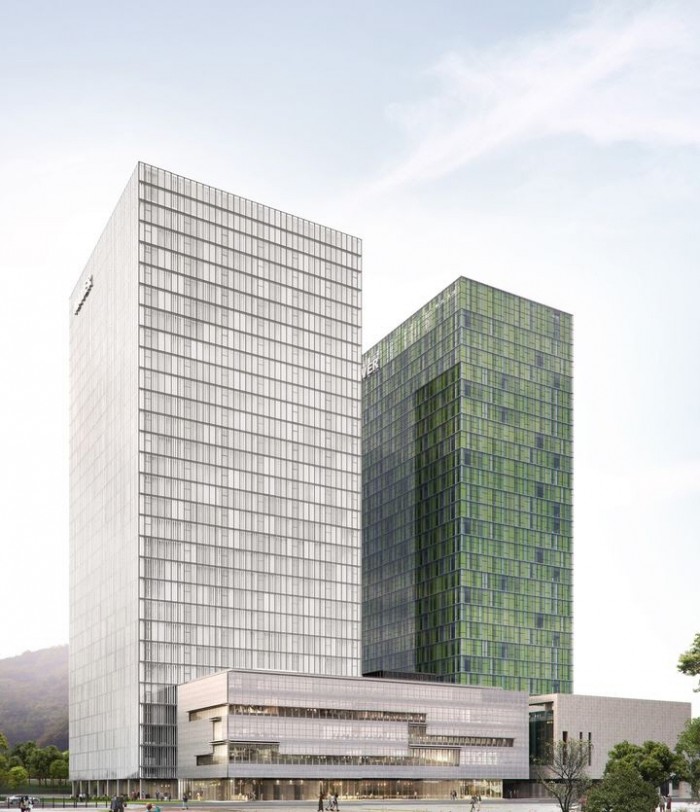 |
| The headquarters building of Naver. /Naver |
Naver reported solid first-quarter results, driven by AI-powered services and the expansion of its consumer-to-consumer (C2C) commerce business.
The company said on April 30 that it recorded revenue of 3.24 trillion won and operating profit of 541.8 billion won for the January–March period. Revenue rose 16.3% year-on-year, while operating profit increased 7.2%.
Naver maintained profitability despite continued investment in AI infrastructure, highlighting improved efficiency in advertising and growth across its commerce platforms.
Its business structure has been reorganized into three pillars: Naver Platform, Financial Platform, and Global Expansion.
Revenue from the Naver Platform segment reached 1.84 trillion won, up 14.7% from a year earlier. Advertising grew 9.3% on the back of enhanced AI-based targeting, while service revenue surged 35.6%, driven by the expansion of Naver Plus Store, membership offerings, and its logistics service.
The Financial Platform segment posted revenue of 459.7 billion won, up 18.9%. Payment volume through Npay totaled 24.2 trillion won, a 23.4% increase, reflecting growth in both online shopping and external payment ecosystems.
The Global Expansion segment generated 941.6 billion won in revenue. C2C businesses—including Kream, Poshmark, Soda, and Wallapop—grew 57.7%, leading overall revenue gains.
Naver also saw growth in its enterprise segment, which rose 18.8% thanks to expansion in AI, digital twin technologies, and its collaboration tool Line Works.
CEO Choi Soo-yeon said, “In the era of AI agents, we are strengthening both user experience and monetization by connecting search, commerce, and payments into a single platform flow,” adding that the company will continue to drive revenue growth through its AI strategy and global business expansion.
#Naver #AI platform #C2C commerce #Npay
Copyright by Asiatoday
Most Read
-
1
Kia Sportage outperforms Mazda CX-5 in German auto..

-
2
Houthis launch successive attacks on Saudi airport..

-
3
Saudi Arabia, Iran hold first diplomatic talks to..

-
4
U.S. deploys carrier, 10,000 more troops to Middle..

-
5
Saudi airport in Riyadh struck again, leaving at l..

-
6
Putin's ally visits China on the 8th ahead of APEC..

-
7
Chinese military support and training center opens..

PEOPLE






HEADLINE NEWS

-
Address : In-Young Bldg., 34, Uisadang-daero 1-gil, Yeongdeungpo-gu, Seoul
Copyright by ASIATODAY CO., LTD. All rights resereved