



Double shock of oil and currency fuels inflation fears
Apr 06, 2026, 08:54 am


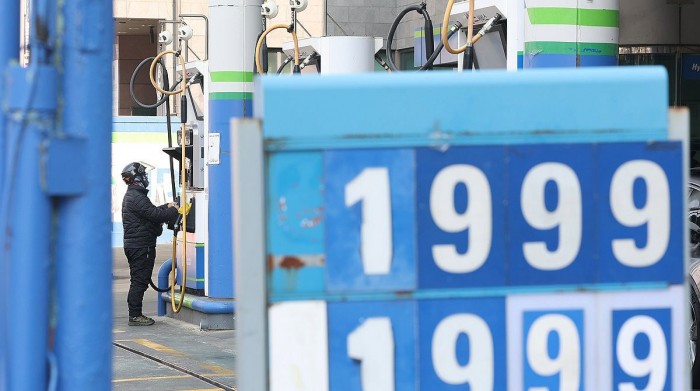 |
| Gasoline and diesel price signs were displayed at a gas station in Seoul on April 2 as international oil prices rose again following escalating Middle East tensions./ Yonhap |
A surge in global oil prices and the Korean won weakening past 1,500 per dollar have delivered a double shock to South Korea’s economy, raising concerns that inflation could exceed 3% in the coming months.
The spike in oil prices was triggered by escalating tensions in the Middle East. Donald Trump warned in a national address that Iran could face strong military action within weeks if no agreement is reached, adding to uncertainty in global energy markets.
According to financial industry sources on April 5, major global investment banks (IBs) and domestic financial institutions have revised their inflation forecasts upward, projecting that consumer prices in Korea may soon surpass the 3% threshold.
JPMorgan and Citibank both forecast inflation at 2.6% for the year but warned of sharper increases ahead. JPMorgan said government price control measures may soon reach their limits, predicting inflation could exceed 3% from May through autumn if the Middle East crisis persists.
Citibank also projected a potential inflation spike of up to 3.3% between April and September despite fuel tax cuts. Meanwhile, KB Securities estimated annual inflation would exceed at least 2.5%.
The government has attempted to curb inflation through measures such as fuel price caps and pressure on processed food prices. These efforts helped keep March consumer inflation at 2.2%, below market expectations.
However, concerns are growing from April onward. The temporary easing in service prices seen in March is expected to fade, with no clear factors to offset upward pressure.
Economists also warn of a second inflation wave during the summer holiday season, when rising service costs could push prices higher again between August and September.
As oil prices remain volatile and the currency weakens, inflation risks are expected to intensify, posing a growing challenge for policymakers.
#oil prices #exchange rate #inflation #Korea economy #Middle East crisis
Copyright by Asiatoday
Most Read
-
1
Celltrion’s Omlyclo gains ground in major European..

-
2
Trump demands rates fall below 1% as Fed hikes for..

-
3
Trump makes $1 trillion bet ahead of midterm elect..

-
4
Iran resumes ballistic missile production, assembl..

-
5
Trump warns countries not helping U.S. must pay re..

-
6
Apple launches first foldable, 1 million won prici..

-
7
Turkish Airlines named main club partner of Liverp..

PEOPLE







-
Address : In-Young Bldg., 34, Uisadang-daero 1-gil, Yeongdeungpo-gu, Seoul
Copyright by ASIATODAY CO., LTD. All rights resereved