



High oil and strong dollar raise stagflation fears
Mar 16, 2026, 09:18 am


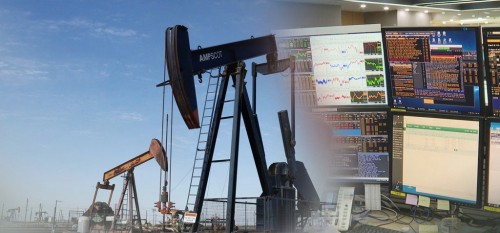 |
| An oil pumpjack operates at a field as global oil prices surge amid rising geopolitical tensions in the Middle East. /Yonhap News TV |
Rising geopolitical tensions in the Middle East are pushing global oil prices and the Korean won–U.S. dollar exchange rate sharply higher, raising concerns that the Korean economy could face growing stagflation risks.
Brent crude has climbed above $100 per barrel, while the won is approaching the psychologically significant 1,500-per-dollar level. Economists warn that the surge in oil prices could fuel inflation and deliver a significant shock to the domestic economy.
According to major overseas exchanges on March 13, Brent crude futures for May delivery rose 2.7 percent to close at $103.14 per barrel. West Texas Intermediate (WTI) futures for April delivery also increased by $2.98 to settle at $98.71 per barrel.
The Korean currency has also weakened amid concerns that prolonged Middle East tensions could push energy prices higher. In overnight trading on March 14, the won closed at 1,497.50 per dollar, jumping 16.30 won from the previous session’s close.
The simultaneous rise in oil prices and the exchange rate is expected to put upward pressure on inflation. Although the consumer price index rose 2.0 percent last month, analysts expect inflation to accelerate from March.
Kim Woong, deputy governor at the Bank of Korea, said earlier this month that higher international oil prices linked to developments in the Middle East were increasing cost-driven inflation pressures.
Higher energy costs could also dampen economic growth. In its March economic outlook report released on March 12, the Korea Development Institute warned that rising oil prices tied to the Middle East conflict could pose downside risks to the economy.
If inflation rises while economic growth slows, the country could face stagflation — a scenario where stagnant growth coincides with rising prices.
Ha Geon-hyung, a researcher at Shinhan Securities, warned that the Korean economy could face a “double shock” of surging oil prices and a weakening currency. “In the worst-case scenario, economic growth could fall by 0.5 to 0.8 percentage points, while inflation could rise by more than one percentage point,” he said, adding that stagflation pressures could become unavoidable.
#oil prices #Brent crude #WTI #dollar strength #Korean won
Copyright by Asiatoday
Most Read
-
1
Celltrion’s Omlyclo gains ground in major European..

-
2
Trump demands rates fall below 1% as Fed hikes for..

-
3
Trump makes $1 trillion bet ahead of midterm elect..

-
4
Iran resumes ballistic missile production, assembl..

-
5
Trump warns countries not helping U.S. must pay re..

-
6
Apple launches first foldable, 1 million won prici..

-
7
Turkish Airlines named main club partner of Liverp..

PEOPLE







-
Address : In-Young Bldg., 34, Uisadang-daero 1-gil, Yeongdeungpo-gu, Seoul
Copyright by ASIATODAY CO., LTD. All rights resereved