



Korea imposes fuel price ceiling after 29 years
Mar 13, 2026, 09:02 am


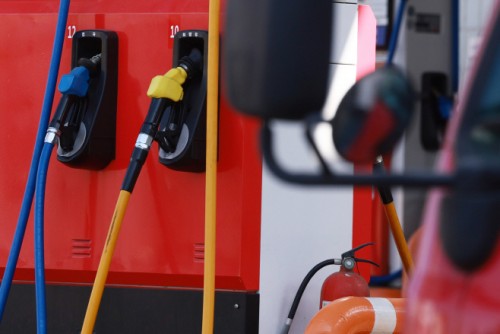 |
| A gas station in Seoul on March 8 as fuel prices approach 2,000 won per liter. The government has introduced a petroleum price cap for the first time in 29 years. /Yonhap |
The South Korean government has set the first price ceiling for gasoline at 1,724 won per liter as it moves to curb surging oil prices by introducing a petroleum price cap for the first time in 29 years.
According to the Ministry of Trade, Industry and Energy, the “maximum price system for petroleum products” will take effect at midnight on March 13, limiting the prices at which refiners can supply fuel to gas stations and distributors.
Under the initial cap, the maximum supply price will be set at 1,724 won per liter for regular gasoline, 1,713 won for diesel and 1,320 won for kerosene.
The price ceilings will apply for two weeks, from March 13 to March 26.
Officials said the ceilings are significantly lower than the average supply prices reported by refiners on March 11. At that time, supply prices stood at 1,833 won for gasoline, 1,931 won for diesel and 1,728 won for kerosene.
Compared with those levels, the new caps are 109 won lower for gasoline, 218 won lower for diesel and 408 won lower for kerosene.
The government said the measure aims to curb the sharp rise in fuel prices and stabilize market conditions in the short term.
Authorities plan to review and adjust the maximum prices every two weeks based on changes in international petroleum product prices. A second price ceiling will be announced on March 27.
The government clarified that the cap will apply only to refinery supply prices, not directly to retail prices at gas stations. However, officials expect consumer prices to decline as the lower supply costs are reflected in the market.
Depending on inventory levels at gas stations, price changes could begin to appear two to three days after the policy takes effect.
If refiners incur losses due to the price ceiling, the government will compensate them afterward through a settlement system. Refiners will submit their loss estimates, which will be verified through accounting reviews and expert evaluations before quarterly compensation is provided.
Industry Minister Kim Jung-kwan said the policy would allow price increases within the range of international oil product price fluctuations while preventing unreasonable spikes that diverge from global trends.
#fuel price cap #gasoline price ceiling #diesel price ceiling
Copyright by Asiatoday
Most Read
-
1
Celltrion’s Omlyclo gains ground in major European..

-
2
Trump demands rates fall below 1% as Fed hikes for..

-
3
Trump makes $1 trillion bet ahead of midterm elect..

-
4
Iran resumes ballistic missile production, assembl..

-
5
Trump warns countries not helping U.S. must pay re..

-
6
Apple launches first foldable, 1 million won prici..

-
7
Turkish Airlines named main club partner of Liverp..

PEOPLE







-
Address : In-Young Bldg., 34, Uisadang-daero 1-gil, Yeongdeungpo-gu, Seoul
Copyright by ASIATODAY CO., LTD. All rights resereved