



Prosecutors lose experienced core, imbalance deepens
Feb 11, 2026, 08:11 am


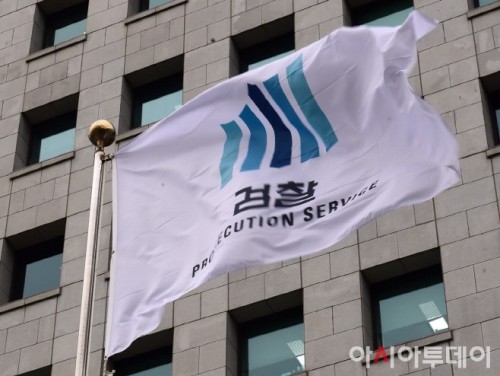 |
As South Korea prepares to abolish the prosecution office and transition to a new system in October, the prosecution is facing a serious imbalance in investigative capacity due to an exodus of experienced prosecutors.
With the dissolution of the prosecution office scheduled for Oct. 2 and its functions to be split into a new indictment office and a Serious Crimes Investigation Agency, many mid-career prosecutors have resigned in protest against the reform or following what they describe as sidelining personnel decisions. Their departures have increasingly been offset by less experienced, junior prosecutors.
The concern is that these junior prosecutors will soon form the backbone of the new institutions. Critics warn that without an experienced mid-level core, the organizational transition could undermine the stable settlement of the new criminal justice system.
According to data on prosecutorial staffing as of Feb. 4, 2026, obtained by Asia Today from the Ministry of Justice, 543 of the 1,256 rank-and-file prosecutors — or 42.5 percent — have less than five years of experience. In other words, four out of every 10 prosecutors fall into the junior category.
This staffing structure is widely seen as the result of a wave of resignations among mid-level prosecutors. Last year alone, 175 prosecutors left their posts after the bill to abolish the prosecution office passed the National Assembly — the highest number of resignations in the past five years. Of those, 136 prosecutors, or 77.7 percent, had more than 11 years of experience, highlighting the scale of the loss among the organization’s “middle backbone.”
As the proportion of junior prosecutors approaches half of the total workforce, the gap in investigative experience within the prosecution has widened significantly. Observers warn that if this structure becomes entrenched, overall organizational stability could be shaken, particularly in complex cases requiring strategic direction, legal judgment and coordination.
Concerns have also been raised that such structural weaknesses could persist even after the launch of the new indictment office and Serious Crimes Investigation Agency.
An official at the Supreme Prosecutors’ Office said the organization is “exploring various measures to maintain and strengthen its accumulated capabilities, including improving the work environment, refining related systems and ensuring objective and rational personnel management.”
#prosecution reform #prosecutor exodus #staffing imbalance #mid-career prosecutors
Copyright by Asiatoday
Most Read
-
1
Celltrion’s Omlyclo gains ground in major European..

-
2
Trump demands rates fall below 1% as Fed hikes for..

-
3
Hyundai Motor Group breaks ground on integrated st..

-
4
U.S. strikes 3 Iranian oil tankers, Iran vows reta..

-
5
Trump makes $1 trillion bet ahead of midterm elect..

-
6
Iran resumes ballistic missile production, assembl..

-
7
Samsung Electronics, Mistral AI to jointly develop..

PEOPLE







-
Address : In-Young Bldg., 34, Uisadang-daero 1-gil, Yeongdeungpo-gu, Seoul
Copyright by ASIATODAY CO., LTD. All rights resereved