



NIS denies report of China's offer to cooperate on spying against U.S.
Nov 27, 2026, 10:01 am


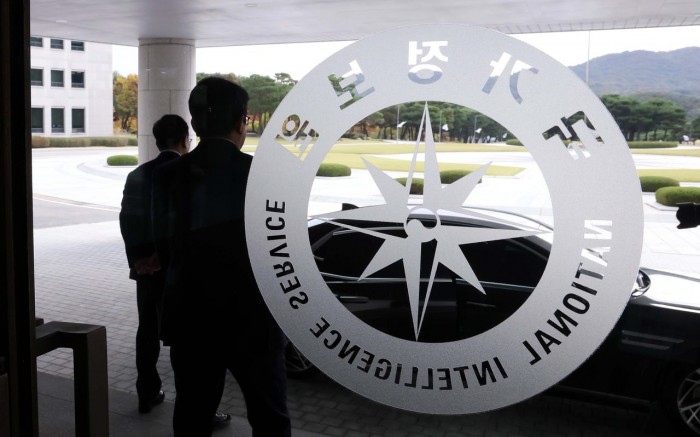 |
| The National Intelligence Service headquarters in Seocho-gu, Seoul. / Yonhap News Agency |
Reports that China proposed intelligence cooperation targeting the U.S. during negotiations to secure the release of a South Korean intelligence source have renewed attention to the circumstances behind the replacement of National Intelligence Service (NIS) Director Lee Jong-seok and Unification Minister Chung Dong-young.
Cheong Wa Dae previously explained that the reshuffle was intended to respond to the rapidly changing international landscape, dismissing speculation that the officials were being replaced over friction in South Korea-U.S. relations.
However, with Washington having expressed dissatisfaction through measures such as restricting intelligence cooperation with the NIS, reports that China proposed intelligence cooperation targeting the U.S. and that Washington strongly protested the proposal have lent weight to the interpretation that the sweeping reshuffle of South Korea's foreign policy and security team was aimed at resetting relations with the U.S.
On November 26, the NIS strongly denied media reports that Chinese authorities had proposed intelligence operations targeting the U.S. as a condition for securing the release of a South Korean intelligence source, saying the reports were “completely untrue.”
“We once again make it clear that intelligence cooperation between South Korea and the U.S. remains active and mutually beneficial across various areas, including counterintelligence,” the NIS stressed.
Although the NIS maintained that bilateral intelligence cooperation was proceeding smoothly, there have been repeated indications of difficulties in South Korea-U.S. relations, including intelligence cooperation.
In June, the U.S. refused to allow the NIS to participate in a working-level meeting between South Korea, the U.S. and Japan on responses to North Korean cyberthreats. Last month, a senior U.S. administration official indicated that Washington expected South Korea to uphold the standards of the decades-old alliance in intelligence and counterintelligence, indirectly expressing dissatisfaction with Chung's public remarks about a uranium enrichment facility in Kusong, North Pyongan Province, North Korea.
Amid concerns that the Coupang issue, differences over the transition of wartime operational control and delays in negotiations on investment in the U.S. have also contributed to strained bilateral relations, U.S. Ambassador to South Korea Michelle Steel said last month that the two countries were experiencing “a kind of turbulence,” laying bare Washington's view of bilateral relations.
With President Lee Jae-myung signaling his determination to reset relations with the U.S. by replacing the entire foreign policy, security and unification leadership, attention is now turning to whether the reshuffle will give fresh momentum to discussions on major bilateral issues, including nuclear-powered submarines and the transition of wartime operational control (OPCON).
Foreign minister nominee Lim Woong-soon reported for his first day of work at an office in Sejong-ro, Seoul, where he will prepare for his confirmation hearing.
“South Korea and the U.S. share common values and interests, so I believe we can overcome any difficulties,” Lim said.
Hong Sun-mi
Most Read
-
1
China President Xi's Keynote Speech at the APEC C..

-
2
Iran resumes attacks after two months, targeting U..

-
3
Russian warship sinks in suspected drone attack at..

-
4
Inside Kylin Villa, the symbol of China's reform h..

-
5
Trump, Xi, Putin call for security cooperation at..

-
6
Trump, Putin, Zelenskyy may hold peace talks at G2..

-
7
Trump, Xi pledge cooperation on Hormuz, Iran nucle..

PEOPLE







-
Address : In-Young Bldg., 34, Uisadang-daero 1-gil, Yeongdeungpo-gu, Seoul
Copyright by ASIATODAY CO., LTD. All rights resereved