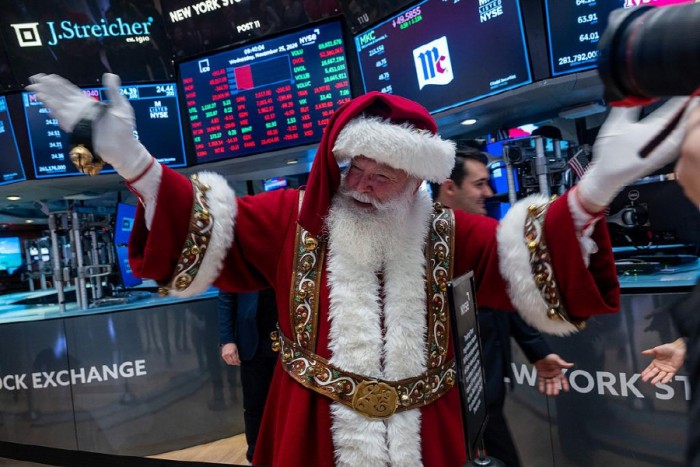
U.S. stock markets were closed on November 26 (local time) for Thanksgiving. On November 25, stocks fluctuated sharply amid a selloff in artificial intelligence (AI)-related shares and tariff uncertainty, but pared their losses toward the end of the session to close mixed. On the next trading day, Black Friday, November 27, the markets will close early at 1 p.m. Eastern Time. With shorter trading hours and reduced liquidity, the key question will be how markets digest persistent inflation, interest rate hike concerns and uncertainty surrounding AI investments next week.
On November 25, the Dow Jones Industrial Average rose 164.25 points, or 0.33 percent, from the previous session to close at 50,182.95. The S&P 500 fell 18.31 points, or 0.25 percent, to 7,182.78, while the Nasdaq Composite declined 147.73 points, or 0.62 percent, to 23,585.80. The Philadelphia Semiconductor Index also fell 0.65 percent.
According to Reuters, the Nasdaq plunged more than 4 percent in early trading that day amid a selloff in AI-related stocks and concerns over new U.S. tariff proposals, but trimmed its losses as bargain hunting emerged. With doubts over the profitability of AI investments and volatility in technology stocks, including Nvidia, rattling the market, investors appeared to be stepping in to buy shares that had fallen sharply.
U.S. stock markets will open at 9:30 a.m. and close at 1 p.m. on November 27. In Korean time, trading will run from 11:30 p.m. on November 27 to 3 a.m. on November 28. With the session three hours shorter than usual, thin trading volumes could amplify movements in individual stocks and indexes. However, it would be difficult to draw conclusions about next week's market direction based on movements during the shortened session.
GDP grows 4.3%, core PCE inflation hits 3.3%: Pressure mounts on Fed to raise rates in December
Persistent inflation and the interest rate outlook will be key factors for markets next week. The revised estimate of third-quarter U.S. gross domestic product (GDP) growth, released on November 25, stood at an annualized rate of 4.3 percent, a substantial upward revision from the advance estimate of 3.4 percent. This marked the fastest pace of growth in three years, with increases in consumer spending and business investment driving the upward revision. Meanwhile, the personal consumption expenditures (PCE) price index rose 3.8 percent year on year in October, while the core PCE price index increased 3.3 percent, indicating that inflationary pressures remained strong.
With both robust economic growth and persistent inflation confirmed, the possibility of further interest rate hikes by the Federal Reserve is expected to weigh on markets. Reuters assessed that persistent inflationary pressures had increased the likelihood of the Fed raising interest rates further in December and early next year. Ahead of the Federal Open Market Committee (FOMC) meeting on December 8–9, markets are expected to gauge the direction of monetary policy based on economic and inflation data and remarks by Fed officials.
Next week's economic calendar includes the manufacturing purchasing managers' index (PMI) and job openings data from the Job Openings and Labor Turnover Survey (JOLTS) on December 1, the ADP private-sector employment report on December 2, the services PMI and weekly jobless claims on December 3, and the employment report on December 4. Other points to watch include whether increased investment by AI-related companies translates into growth in the real economy and whether employment and consumption can withstand the pressure of higher interest rates.
Cheon Hyun-bin