



Bitcoin drops to 81,000-dollar range, raising questions over how long slump will last
Oct 16, 2026, 03:16 pm


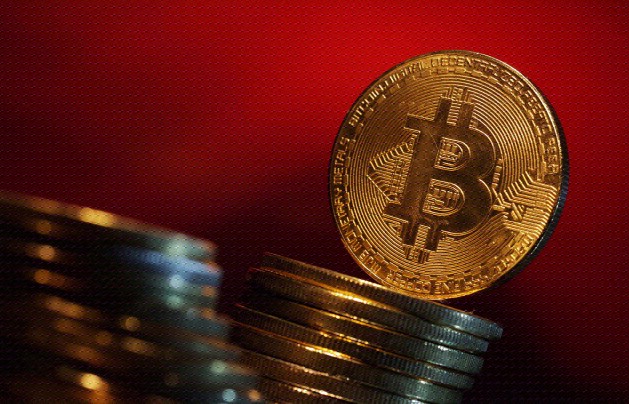 |
| Bitcoin image. / Reuters, Yonhap |
Bitcoin is continuing its downward trend, sliding into the 81,000-dollar range. The decline comes as renewed U.S. inflationary pressures have dampened expectations of interest rate cuts, compounded by ongoing capital outflows from spot exchange-traded funds (ETFs). Upcoming inflation readings, U.S. monetary policy, and ETF fund flows are seen as key variables determining the price trajectory ahead.
According to U.S. cryptocurrency exchange Coinbase on the 16th, Bitcoin was trading at 81,992 dollars as of 1:55 p.m., up 0.55% from the previous day. Compared to around 8:00 a.m. when it traded at 82,138 dollars, the price edged down slightly in the afternoon. While price fluctuations compared to the previous day were relatively subdued, Bitcoin slipping below the 82,000-dollar mark has heightened uncertainty over whether buying interest can lead to a sustained trend reversal.
U.S. inflation and monetary policy have been cited as key drivers behind the mounting downward pressure. Persistently high inflationary pressures generally heighten concerns that the Federal Reserve may maintain interest rates higher for longer. As expectations for interest rate cuts wane, investment demand for risk assets tends to contract, directly impacting Bitcoin as well.
Shifts in interest rate outlooks weigh on risk assets broadly, including tech stocks, not just Bitcoin. When interest rates remain elevated, investors face stronger incentives to favor yield-bearing assets, relatively reducing incentives to allocate funds toward highly volatile digital assets. Combined with rising U.S. Treasury yields and a strong dollar, risk aversion among investors can intensify further. Factors moving Bitcoin's price in recent sessions also show sensitive reactions to U.S. macroeconomic indicators and monetary policy outlooks rather than positive internal developments within the crypto market.
Institutional capital flows have also added to the burden. Continued capital outflows from U.S. spot Bitcoin ETFs weaken the demand needed to absorb selling volume during downturns and can curb upside momentum during recovery phases. However, it is premature to conclude that medium- to long-term upside potential has vanished based solely on ETF outflows. Dip-buying demand could emerge following price declines, and supply-demand conditions could shift if interest rate expectations soften or spot ETF inflows improve. Consequently, the crucial factor is whether capital inflows remain a one-off bounce or evolve into sustained buying momentum across multiple trading sessions.
Expert outlooks on future prices remain mixed. Paul Howard, Senior Director at Wincent, warned in a recent market analysis, "Macroeconomic uncertainty could weigh on crypto asset prices," adding, "If inflation comes in hotter than expected and dampens monetary easing expectations, sentiment toward risk assets could contract."
Simon Peters, an analyst at XS.com, also projected, "The impact of rising interest rates on crypto sentiment must be watched closely," noting, "If interest rates remain elevated, investors may favor assets providing relatively stable returns over risk assets, meaning a recovery in Bitcoin could be delayed if U.S. inflation fails to stabilize."
Matt Mena, crypto research analyst at 21Shares, pointed to the possibility that downside risks may already be partially priced in following market adjustments, noting, "If macroeconomic uncertainty eases and buying momentum recovers, Bitcoin could also attempt a rebound." Ultimately, the direction of Bitcoin hinges on variables including interest rate outlooks, ETF supply-demand dynamics, and buying support at key price thresholds.
Kim Min-ju
Most Read
-
1
Celltrion nears additional contract with major U.S..

-
2
"Aren't those foreigners on welfare?": M..

-
3
Houthis launch successive attacks on Saudi airport..

-
4
Saudi Arabia, Iran hold first diplomatic talks to..

-
5
U.S. weighs dropping MOAB, world's most powerful n..

-
6
Saudi airport in Riyadh struck again, leaving at l..

-
7
Five ASEAN countries welcome Myanmar coup leader

PEOPLE






HEADLINE NEWS

-
Address : In-Young Bldg., 34, Uisadang-daero 1-gil, Yeongdeungpo-gu, Seoul
Copyright by ASIATODAY CO., LTD. All rights resereved