



Over 3.1 million resident emails at risk as Japan's disaster alert system hit by cyber breach
Oct 16, 2026, 10:02 am


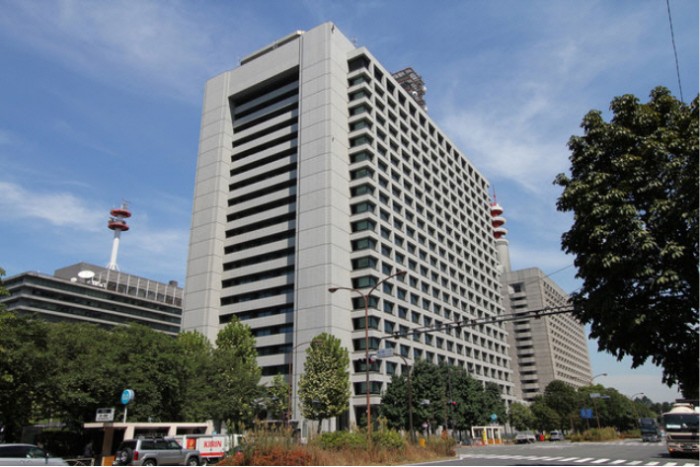 |
| Japan's Ministry of Internal Affairs and Communications announced that personal information leaks caused by cyberattacks occurred across 110 local governments nationwide. / Official website of Japan's Ministry of Internal Affairs and Communications |
Concerns over personal data leaks and disruptions to public services are mounting in Japan as cyberattacks targeting private companies and local governments continue to occur in succession.
According to Kyodo News, the Sankei Shimbun, and other media outlets on the 14th, Japan's Ministry of Internal Affairs and Communications announced on the same day that Arcadia, a system operator providing disaster prevention information to local governments, suffered a cyberattack, resulting in data leaks across 110 local governments nationwide and tangible damages, including the suspension of disaster alert email services.
An Arcadia official interviewed by Kyodo News stated, "Up to approximately 3,136,000 email addresses of residents registered as service users may have been leaked, and the exact scope of damage and the timeline for recovery have not yet been confirmed."
At the same time, 110 local governments nationwide, including major cities such as Kobe, Kyoto, and Nara, also announced the possibility that residents' personal information had been leaked.
The problem is that the damage is not limited solely to disaster prevention information services. Arcadia announced on the same day that it had confirmed signs of a cyberattack on a separate firefighting-related service through which fire headquarters nationwide send batch transmissions of fire and disaster information to fire service officials and the press.
Given the possibility that personal data may also have been leaked from that system, Arcadia is considering submitting a damage report to the Osaka Prefectural Police.
In addition, the Ministry of Internal Affairs and Communications sent an official letter to local governments nationwide, taking steps to ensure they secure alternative means of delivering information to residents in the event of a disaster.
Kyodo News reported, "System failures that prevent the swift transmission of information to residents during disasters can go beyond mere data leaks to affect safety response systems," adding, "The fact that the extent of the leak of personal information belonging to residents in the affected municipalities remains unknown is heightening residents' anxiety."
This incident is also drawing attention because it comes as an extension of a recent series of cyberattacks across Japan.
On the 7th, a cloud service operated by IDC Frontier, an affiliate of SoftBank, experienced a system failure after being hit by a ransomware cyberattack. A total of 495 clients using the service, including corporations and local governments, were reportedly affected.
Personal data leak incidents are also continuing among private enterprises. The Associated Press reported on the 9th that the Japanese government instructed relevant agencies to heighten vigilance in response to increasing cyberattacks. Personal data leaks were reported at major corporations such as Lawson and Daiwa Securities, and concerns were raised over the possible leak of information from approximately 6.6 million member accounts at car-sharing service Times Car.
Jeong Eun-hye
Most Read
-
1
Celltrion nears additional contract with major U.S..

-
2
"Aren't those foreigners on welfare?": M..

-
3
Houthis launch successive attacks on Saudi airport..

-
4
Saudi Arabia, Iran hold first diplomatic talks to..

-
5
Saudi airport in Riyadh struck again, leaving at l..

-
6
Five ASEAN countries welcome Myanmar coup leader

-
7
32 Western nations condemn Iran over terror plot t..

PEOPLE





HEADLINE NEWS

-
Address : In-Young Bldg., 34, Uisadang-daero 1-gil, Yeongdeungpo-gu, Seoul
Copyright by ASIATODAY CO., LTD. All rights resereved