



KDCA allocates 1.4347 trillion won for next year's budget for vaccine transitions and pandemic preparedness
Sep 02, 2026, 09:19 am


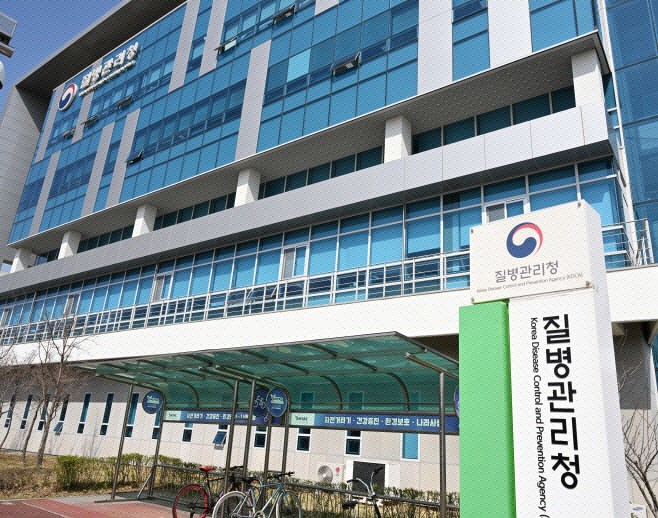 |
| Korea Disease Control and Prevention Agency |
The Korea Disease Control and Prevention Agency (KDCA) has allocated 1.4347 trillion won for next year's budget, up 7.4% from this year. The plan focuses on enhancing coverage for the National Immunization Program (NIP), bolstering infectious disease bed capacity and stockpiling systems to prepare for the next pandemic, and strengthening research and development investments in messenger RNA (mRNA) vaccines.
According to the 2027 budget proposal announced by the KDCA on the 1st, the total budget increased by 98.8 billion won from 1.3359 trillion won this year to 1.4347 trillion won next year. Within this, major project expenditures will increase by 7.7% from 1.1998 trillion won to 1.2918 trillion won.
First, the budget for the National Immunization Program will expand from 639.2 billion won to 694.8 billion won. The eligibility for influenza vaccinations will broaden from aged 14 and under to aged 15 and under, while the state-supported HPV vaccine will transition to the 9-valent vaccine, with the eligible age for male adolescents extending from 12 to 13. For pneumococcal vaccinations for seniors aged 65 and older, the program will shift from the conventional polysaccharide vaccine to a conjugate vaccine, increasing the related budget from 13.6 billion won to 41.8 billion won.
The infectious disease crisis response budget will jump 36.4% from 61.5 billion won to 83.9 billion won. The agency newly allocated 25.5 billion won to purchase antiviral medications in preparation for novel influenza and other threats, alongside 5 billion won to stockpile personal protective equipment (PPE). In addition to supporting the opening of the Honam Regional Specialized Infectious Disease Hospital, the number of state-supported infectious disease beds will expand from 706 to 1,208 beds.
Surveillance target facilities for acute respiratory infection pathogens will increase from 100 to 130 institutions, incorporating long-term care hospitals. Carbapenem-resistant Enterobacterales (CRE) reduction strategy projects will expand from three metropolitan cities and provinces to six, while six hospitals specializing in multidrug-resistant bacteria will be newly operated.
Support for rare and chronic diseases will also be broadened. Diagnostic support for rare diseases will increase from 1,150 cases to 2,713 cases, and specialized institutions will expand from 19 to 21 facilities. The budget for rare disease patient support projects will rise 50% from 5.5 billion won to 8.3 billion won. Management areas for hypertension and diabetes will also expand from 19 to 29 cities, counties, and districts.
Research and development preparing for future infectious diseases will concentrate investments on mRNA and AI. The budget for developing pandemic-ready mRNA vaccines will increase by 53.4% from 26.4 billion won to 40.5 billion won. Furthermore, 8 billion won will be newly injected into the "Korean Pandemic Preparedness Engine," an AI-based rapid vaccine development platform, along with 1.5 billion won for developing mRNA antibody therapeutics.
Lim Seung-kwan, Commissioner of the KDCA, stated, "We formulated the budget with a primary focus on strengthening the core inherent functions of the Korea Disease Control and Prevention Agency, such as reinforcing the coverage of the National Immunization Program through transitions to next-generation vaccines and broadening eligible groups, advancing crisis management systems for emerging infectious diseases by opening regional specialized infectious disease hospitals and expanding surveillance and stockpiling frameworks, widening support for rare and chronic diseases while responding to climate change threats, and innovating R&D based on mRNA vaccines, therapeutics, and AI."
Commissioner Lim further emphasized, "We plan to continuously allocate key project budgets to thoroughly safeguard the lives and safety of the public not only from future pandemic threats, but also from various everyday health hazards."
Lee Se-mi
Most Read
-
1
Celltrion nears additional contract with major U.S..

-
2
Putin proposes trilateral U.S.-China-Russia summit..

-
3
"Aren't those foreigners on welfare?": M..

-
4
U.S. weighs dropping MOAB, world's most powerful n..

-
5
Houthis launch successive attacks on Saudi airport..

-
6
Saudi Arabia, Iran hold first diplomatic talks to..

-
7
Saudi airport in Riyadh struck again, leaving at l..

PEOPLE






HEADLINE NEWS
- [Exclusive] U.S. military steel frame work at Gwangju Airport casts cloud over planned semiconductor industrial complex
- Momentum grows for mid-next month U.S.-China-Russia summit with mounting is..
- Elon Musk formalizes review of SpaceX-Tesla merger
- [Exclusive] 10 SNUs pledged, but three regional universities take half the..

-
Address : In-Young Bldg., 34, Uisadang-daero 1-gil, Yeongdeungpo-gu, Seoul
Copyright by ASIATODAY CO., LTD. All rights resereved