



Telemedicine market expands with growth of medication delivery
Aug 24, 2026, 09:23 am


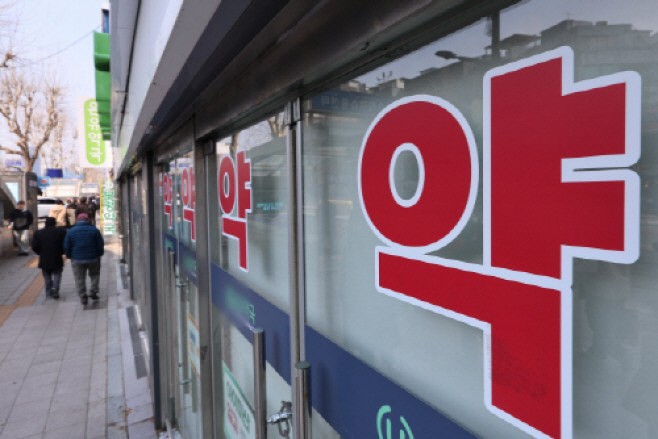 |
| A view of a pharmacy in Jongno-gu, Seoul. / Yonhap |
Debate over patient convenience versus medication safety is intensifying as discussions to expand prescription drug delivery for telemedicine patients gain full steam. While expectations are rising that it will reduce the hassle of having to visit multiple pharmacies to obtain prescribed medication, tasks such as quality control during delivery, medication counseling, and fairness in platform matching with pharmacies remain to be addressed. Furthermore, with the Korean Pharmaceutical Association refusing to participate in the government's public-private consultative body, conflicts among stakeholders are expected to persist ahead of the system's implementation.
According to the Ministry of Health and Welfare on August 23, the government plans to discuss measures through a public-private consultative body established on the premise of expanding drug delivery to all telemedicine patients. When telemedicine becomes institutionalized on December 24, medication delivery will be permitted only for select groups, such as residents of islands and remote areas, long-term care beneficiaries, persons with disabilities, infectious disease patients, and rare disease patients. The plan is to examine whether this can be extended to all users in the future.
The continued demand for expanded drug delivery stems from the inconvenience encountered during the process of obtaining medicine after telemedicine consultations. While treatment and prescriptions can be completed via smartphone, patients must personally locate pharmacies carrying the prescribed medication. Especially at night or on holidays, patients must verify open pharmacies and check their drug inventory individually, leading to cases where obtaining medication takes far more time than the actual medical consultation.
According to a survey of 2,066 telemedicine users by the Korea Telemedicine Industry Association, 48.8% of respondents experienced the so-called "pharmacy hopping"—visiting or inquiring at multiple pharmacies. However, there are significant issues to address if drug delivery becomes generalized. Unlike general goods, dispensed prescription drugs require strict oversight regarding storage temperature, quality maintenance, patient identity verification, and medication counseling. It remains unclear whether liability falls on the pharmacy, the platform, or the delivery provider in cases of delivery delays, misdeliveries, drug deterioration, or third-party receipt by family members or acquaintances. How pharmacists will convey dosage instructions, side effects, and precautions to patients also stands as a major point of contention. While the government stated that it would review quality control for dispensed drugs, actual receipt by patients, and medication counseling plans, detailed standards have yet to be presented.
Under these circumstances, the Korean Pharmaceutical Association is pushing back, arguing that expanding the scope without establishing a public electronic prescription transmission system and verifying delivery safety is dangerous. The association emphasized, "Where are the countermeasures against indiscriminate prescriptions and delivery of non-reimbursable drugs, such as hair loss treatments and diet pills—issues clearly exposed during the telemedicine pilot project—as well as delivery accidents involving deterioration and misdelivery?" It added, "We make it crystal clear that the Korean Pharmaceutical Association will never participate in a 'public-private consultative body on the premise of expanding drug delivery' that has already predetermined its conclusion and seeks to treat us as mere window dressing."
Lee Se-mi
Most Read
-
1
Celltrion nears additional contract with major U.S..

-
2
Putin proposes trilateral U.S.-China-Russia summit..

-
3
U.S. weighs dropping MOAB, world's most powerful n..

-
4
"Aren't those foreigners on welfare?": M..

-
5
Attention centers on APEC for possible Trump-Xi-Pu..

-
6
Saudi Arabia, Iran hold first diplomatic talks to..

-
7
China tightens grip on boosting domestic demand an..

PEOPLE







-
Address : In-Young Bldg., 34, Uisadang-daero 1-gil, Yeongdeungpo-gu, Seoul
Copyright by ASIATODAY CO., LTD. All rights resereved