



Prosecutors grapple with abolition of supplementary probe power as drug crimes rise yearly
Aug 05, 2026, 09:50 am


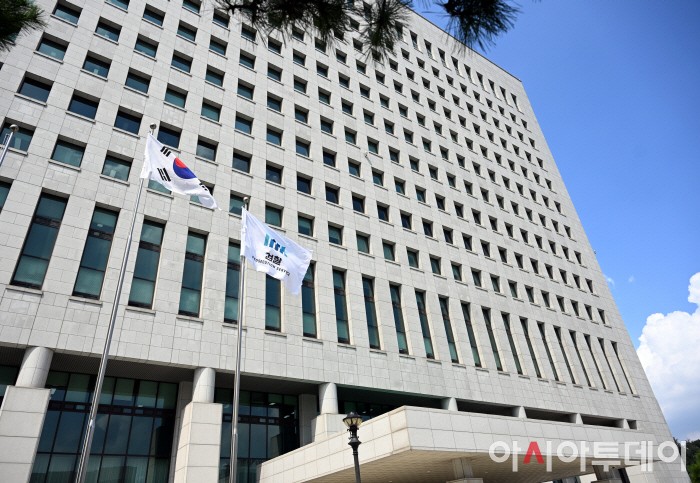 |
| Supreme Prosecutors' Office. / Reporter Park Seong-il |
As the revised Criminal Procedure Act abolishing prosecutors' supplementary investigative power cleared a Cabinet meeting, how to maintain the effectiveness of drug crime investigations after the transition to public prosecution offices in October has emerged as an urgent task for prosecutors. Since drug crimes require tracing supply and distribution networks based on fragmented information while also assessing the credibility of tips, concerns have emerged that relying solely on requests for supplementary investigation from the public prosecution offices may not be enough to ensure thorough investigations.
According to AsiaToday's reporting on the 4th, with the number of drug offenders in Korea rising every year, the Supreme Prosecutors' Office (SPO) has identified maintaining the effectiveness of drug crime investigations after the transition to public prosecution offices as one of its key challenges. Since areas that prosecutors have directly handled during drug investigations will now fall to police and the Serious Crimes Investigation Office, the need for tighter inter-agency coordination has grown significantly.
According to the SPO's recently published "2025 White Paper on Drug Crime," the number of drug offenders reached 23,403 last year, up about 45% over four years compared with 2021. Behind this rise in drug offenders lies the spread of online distribution through the dark web and social media platforms like Telegram. The SPO noted that unlike in the past, when transactions typically required a specific dealer or in-person contact, an environment has now emerged in which ordinary people can easily connect with domestic and overseas drug suppliers via social media and purchase drugs directly.
For crimes like theft or fraud, investigators can narrow down suspects and the circumstances of the crime based on victim statements. But in drug cases, most parties involved in a transaction — smuggling, sale, purchase, or use — are themselves implicated in the crime, making it difficult to secure detailed statements or tips early in an investigation. Investigative agencies must instead identify suspects based on intelligence, seized evidence, and communication and account records, then work backward to trace the supply and distribution network.
Currently, prosecutors can determine when and to what extent forcible investigative measures like search and seizure are needed and proceed with supplementary investigation accordingly. But after the transition to public prosecution offices, prosecutors will instead need to request investigations from police or the Serious Crimes Investigation Office and wait to receive the results, raising concerns that measures like securing custody of suspects may not happen quickly enough.
Seo Jung-hwa, head of the SPO's Narcotics Division, said, "Many drug cases involve suspects referred while in custody, and there's a real risk there won't be enough time within the detention period to establish the charges through requests for supplementary investigation," adding, "If establishing charges is delayed, there could be cases where serious drug offenders end up released due to the cancellation of detention."
Seo added, "Especially in cases requiring specialized expertise, like those involving medical narcotics, if the initial steps of an investigation go wrong, it's not easy to correct that simply through a request for supplementary investigation," and said, "The current restructuring of the criminal justice system is moving in a direction that restricts investigative authority in areas where prosecutors have performed well up to now — which runs counter to the goal of protecting the public."
Jeong Min-hoon
Most Read
-
1
Celltrion’s Omlyclo gains ground in major European..

-
2
Trump demands rates fall below 1% as Fed hikes for..

-
3
Trump makes $1 trillion bet ahead of midterm elect..

-
4
Iran resumes ballistic missile production, assembl..

-
5
Samsung Electronics, Mistral AI to jointly develop..

-
6
Trump warns countries not helping U.S. must pay re..

-
7
Seoul faces triple squeeze over troop deployment t..

PEOPLE







-
Address : In-Young Bldg., 34, Uisadang-daero 1-gil, Yeongdeungpo-gu, Seoul
Copyright by ASIATODAY CO., LTD. All rights resereved