



Samsung Electronics to test high-efficiency heat pump HVAC system
Jul 27, 2026, 10:11 am


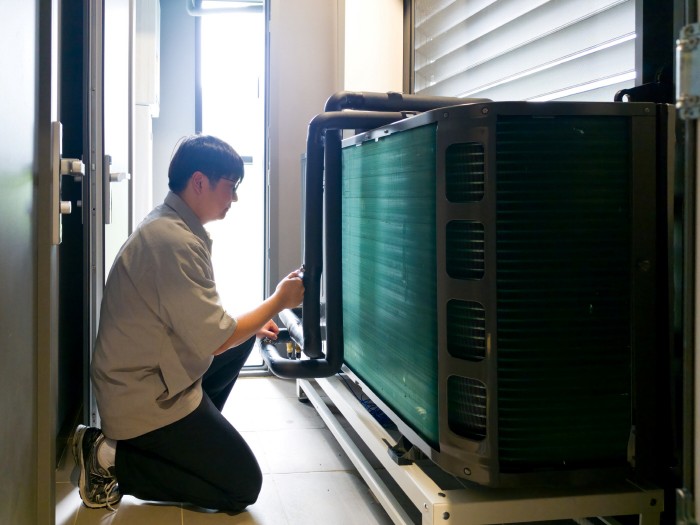 |
| Samsung Electronics tests EHS All-in-One system in multi-family residential environments like apartments / Courtesy of Samsung Electronics |
Samsung Electronics is launching a real-world test for its high-efficiency heat pump heating and cooling system, the EHS All-in-One. This initiative draws attention as building sector carbon neutrality emerges as a key challenge, accelerating the adoption of high-efficiency heat pumps to replace traditional fossil fuels in heating.
On July 27, Samsung Electronics announced that it installed the EHS All-in-One at Samsung C&T's Residential Performance Research Institute in Yongin, Gyeonggi Province, to comprehensively verify heating, cooling, hot water supply performance, energy efficiency, and user convenience in an environment designed identical to an apartment.
Through this project, the company plans to assess heating performance and energy saving effects compared to conventional gas boilers, as well as cooling and hot water performance, power consumption, and noise levels. The secured data will serve as foundational research for the future rollout of heat pumps in multi-family residential buildings.
The real-world test uses the EHS All-in-One model currently sold by Samsung Electronics in the European market. The system features a single outdoor unit capable of delivering direct air cooling as well as water-heated floor heating and hot water supply simultaneously.
While existing domestic residential heat pumps primarily rely on the A2W method to provide floor heating and hot water supply—requiring a separate air conditioner installation for cooling—the EHS All-in-One integrates A2A and A2W into a single system to deliver air cooling, floor heating, and hot water supply all at once, making it highly efficient, according to a Samsung Electronics official.
Samsung Electronics also noted that it applied heat recovery technology to the product, recycling waste heat generated during the cooling process to heat water. Additionally, the company emphasized the use of R32 refrigerant, which features a global warming potential (GWP) approximately 68 percent lower than the R410A refrigerant commonly used in conventional cooling devices.
Lim Seong-taek, Executive Vice President of the Digital Appliances Business at Samsung Electronics, stated that this test is a project to verify whether heat pumps can practically replace conventional gas boilers in actual multi-family residential environments, adding that the company plans to continuously expand the development and dissemination of heat pump technology to support the transition to electric heating and cooling in multi-family housing and achieve carbon neutrality in the building sector.
Choi In-kyu
Most Read
-
1
U.S. Treasury Secretary Bessent publicly warns ove..

-
2
Celltrion’s Omlyclo gains ground in major European..

-
3
Hyundai Motor Group breaks ground on integrated st..

-
4
Russia faces warning signs over prolonged war econ..

-
5
U.S. strikes 3 Iranian oil tankers, Iran vows reta..

-
6
S. Korea seeks redemption from World Cup setback w..

-
7
Trump makes $1 trillion bet ahead of midterm elect..

PEOPLE







-
Address : In-Young Bldg., 34, Uisadang-daero 1-gil, Yeongdeungpo-gu, Seoul
Copyright by ASIATODAY CO., LTD. All rights resereved