



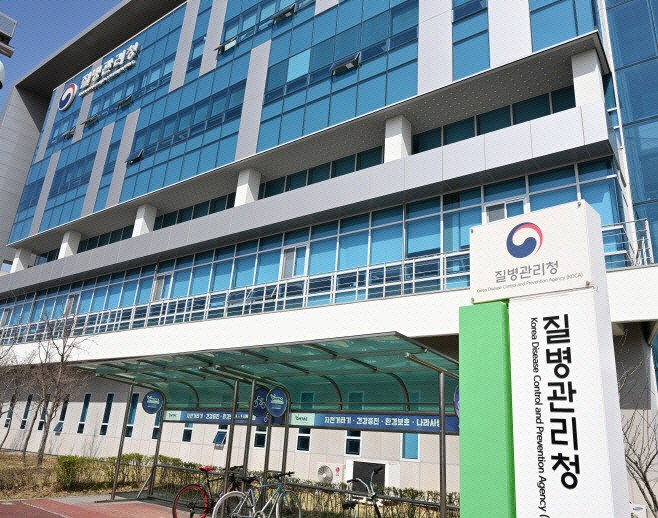
KDCA stresses communication first: Time to consider practical steps to ease vaccine anxiety
Jul 02, 2026, 09:27 am


 |
 |
| Lee Jeong-yeon, Investigative Reporter |
"After experiencing immune dysregulation cases following COVID-19 vaccination, I uploaded a video to YouTube, but the Korea Disease Control and Prevention Agency (KDCA) flagged it, and the video was deleted."
This experience shared by a clinician recently made the rounds on YouTube. Practicing in functional medicine, the physician stated that they observed firsthand instances of weakened immune systems and chronic inflammation in patients, which they attributed to COVID-19 vaccine side effects. Recently, some medical professionals have also raised concerns over a potential link between vaccine side effects and a suspicious rise in cancer diagnoses among younger generations.
While the firsthand accounts of practicing physicians have already been brought to light through congressional and parliamentary hearings in the United States and Europe, the prevailing atmosphere in South Korea remains quick to dismiss any mention of such side effects as conspiracy theories or fake news. During the height of the pandemic, the Korea Communications Commission operated a pan-government response system alongside the Central Disaster Management Headquarters, the Korea Communications Standards Commission (KCSC), and the National Police Agency to swiftly delete and block what it deemed fake news. The KCSC had pushed forward measures to review, delete, and block content as rapidly as possible upon request from health authorities to prevent social confusion caused by vaccine-related misinformation.
Controversy over COVID-19 vaccine side effects persists in the United States as well. U.S. Senator Ron Johnson, alongside medical researchers, raised suspicions regarding the so-called "turbo cancer" phenomenon—a hypothetical side effect where the body's immune surveillance system is disrupted, causing latent cancer cells to grow rapidly or metastasize at an accelerated pace.
In particular, adverse reactions such as irregular menstrual cycles and unexplained uterine bleeding have been reported multiple times both domestically and internationally. Despite this, the KDCA continues to list claims like "Does the COVID-19 vaccine cause cancer, such as leukemia?" and "Do COVID-19 vaccines cause infertility?" as primary examples of manipulated false information on its official platforms.
For matters that remain a subject of ongoing medical debate even within the healthcare community, regulatory authorities have effectively stifled the discussion itself. This comes despite the fact that science and medicine naturally evolve through continuous skepticism and empirical proof.
Furthermore, the KDCA maintains its stance that a contaminated vaccine incident—which was later confirmed as fact through a Board of Audit and Inspection review—was either a misunderstanding or that none of the contaminated doses were actually administered to citizens, despite the critical manufacturing flaws involved. More recently, the agency published an infodemic study concluding that it is vital for all platforms to simultaneously respond to infectious disease misinformation.
When asked at a recent briefing on upgrading the infectious disease crisis management system whether it would continue to enforce such blocking measures in the future, the KDCA emphasized that communication would be its top priority, though its stance remained somewhat ambiguous. "Even if something is not fully disproven as false information at the time, communicating accurate information quickly is what the KDCA and quarantine authorities must do during a crisis," a KDCA official said. "We view blocking content as a very low priority." However, the official added, "Regarding false and manipulated information, relevant regulations are being drafted by the Korea Communications Standards Commission, so managing those aspects falls under the purview of a separate government body."
The KDCA and food and drug safety authorities must not attempt to muzzle the public or the opinions of experts by slapping a fake news label on them—especially when dealing with medical products whose side effects have not been fully vetted through long-term clinical trials.
Lee Jeong-yeon
#KDCA
Copyright by Asiatoday
Most Read
-
1
Celltrion nears additional contract with major U.S..

-
2
Putin proposes trilateral U.S.-China-Russia summit..

-
3
U.S. weighs dropping MOAB, world's most powerful n..

-
4
"Aren't those foreigners on welfare?": M..

-
5
Attention centers on APEC for possible Trump-Xi-Pu..

-
6
Saudi Arabia, Iran hold first diplomatic talks to..

-
7
China tightens grip on boosting domestic demand an..

PEOPLE







-
Address : In-Young Bldg., 34, Uisadang-daero 1-gil, Yeongdeungpo-gu, Seoul
Copyright by ASIATODAY CO., LTD. All rights resereved