



MFDS launches 365-day AI-powered round-the-clock surveillance for medical narcotics
Jul 02, 2026, 09:20 am


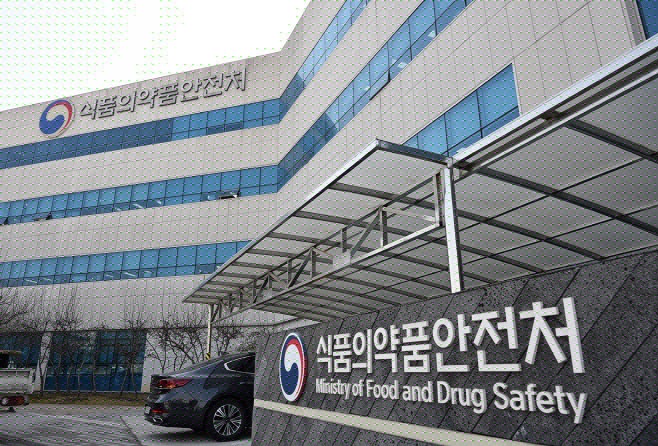 |
The Ministry of Food and Drug Safety (MFDS) is expanding its surveillance system for medical narcotics to cover identity theft and discrepancies in handling reports, deploying an AI-powered, 365-day continuous monitoring framework to crack down on illegal activities.
According to its second-half narcotics safety management initiative, the MFDS launched a massive special inspection on the 1st targeting medical narcotics like propofol. The primary objective of this crackdown is to intensively monitor medical anesthetics and other substances flagged for high risks of dependency and abuse.
By embedding AI-driven intelligent surveillance capabilities, the MFDS will transition to a round-the-clock monitoring ecosystem. To improve accuracy, the ministry is diversifying its analysis metrics from simply tracking top prescription volumes to flags like identity theft, reports from closed or suspended medical institutions, administration reports filed while the patient is abroad, dual-pharmacy dispensing under a single prescription, and data discrepancies.
Crucially, online medical advertisements will join prescription data under the monitoring umbrella to root out deceptive ads promoting painless sedation and trigger on-site inspections for suspected abuse. Furthermore, while MFDS inspectors previously analyzed prescription data by hand, the upgraded AI system will instantly extract tailored data for inspectors, slashing the data analysis cycle from three weeks to just three days.
The MFDS has also inaugurated a 50-member special task force for medical narcotics alongside an intensive reporting window. Split into four specialized units—general planning, analysis support, intensive enforcement, and criminal investigation—the task force brings an organized approach across every stage of enforcement, from data screening and on-site raids to follow-up prosecution. Personnel on the ground hold legal status as either narcotics inspectors or special judicial police officers.
To actively uncover clandestine illegal handling and abuse occurring deep inside clinics, the MFDS is opening up channels for public participation. A dedicated medical narcotics illegal activity reporting banner has been integrated into the official MFDS website and the e-People portal, kicking off a four-month intensive reporting window from July 1 to October 31.
The reporting window focuses entirely on illicit actions involving medical narcotics. Informants can submit tips via the MFDS reporting center or the e-People platform, with absolute confidentiality guaranteed under the law.
To refine target selection and verify clinical instances of abuse, the ministry will also consult an external advisory board packed with medical, pharmaceutical, legal, and investigative experts.
As for administrative and legal follow-up, the MFDS plans to hand over suspected clinics to local government bodies and public health centers for administrative sanctions, while referring criminal cases to the police and the ministry’s own Joint Investigation Center for Dangerous Goods. For habitual users caught during the sweep, the ministry will provide integrated support by linking them to social rehabilitation programs alongside criminal investigations.
"We are mobilizing our entire regulatory arsenal—leveraging AI analytics, tracking online ads, launching a special task force, and opening a dedicated public reporting window—to effectively rein in controversial medical narcotics like propofol," emphasized MFDS Minister Oh Yu-kyung. "Moving forward, we remain fully committed to preventing the illicit use and abuse of medical narcotics through this seamless, ironclad surveillance system."
Lee Jeong-yeon
Most Read
-
1
Celltrion nears additional contract with major U.S..

-
2
Putin proposes trilateral U.S.-China-Russia summit..

-
3
U.S. weighs dropping MOAB, world's most powerful n..

-
4
"Aren't those foreigners on welfare?": M..

-
5
Attention centers on APEC for possible Trump-Xi-Pu..

-
6
Saudi Arabia, Iran hold first diplomatic talks to..

-
7
China tightens grip on boosting domestic demand an..

PEOPLE







-
Address : In-Young Bldg., 34, Uisadang-daero 1-gil, Yeongdeungpo-gu, Seoul
Copyright by ASIATODAY CO., LTD. All rights resereved