



High-end Seoul homes face tax surge
Mar 18, 2026, 08:18 am


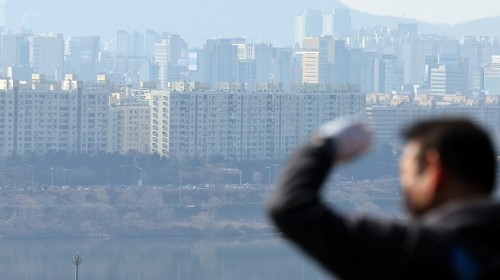 |
| A view of a densely packed apartment complex in Seoul. / Yonhap News |
Owners of high-end apartments in Seoul’s most sought-after districts, including Gangnam, Seocho and Songpa, are expected to face a sharp increase in property-related taxes this year, driven by rising official home prices and the progressive structure of the comprehensive real estate tax.
According to government estimates, the combined tax burden for some luxury apartment owners could rise by several million won, with increases exceeding 10 million won in certain cases.
The Ministry of Land, Infrastructure and Transport released its proposed 2026 official apartment prices on March 17. Simulations based on a 5% tax base cap, a 1.2 billion won basic deduction for the comprehensive real estate tax, and a 60% fair market value ratio show that property taxes in major Seoul complexes could rise by more than 50% compared with last year.
At Raemian One Bailey in Banpo, Seocho District, the official price of an 84-square-meter unit is set to jump 33% from 3.436 billion won to 4.569 billion won. As a result, the total holding tax is projected to rise 56.1% from 18.29 million won to 28.55 million won.
While property tax will increase moderately, the comprehensive real estate tax is expected to surge significantly—from 10.83 million won to 19.08 million won—accounting for most of the overall tax hike.
A similar trend is seen in Apgujeong’s Shin Hyundai 9th complex in Gangnam, where holding taxes are expected to climb 57.1%, and in Jamsil’s Els apartment in Songpa, where taxes will rise 47.6%.
The sharp increase in tax burdens, outpacing the rise in official home prices, is largely attributed to the progressive tax system. Once property values exceed certain thresholds, the taxable base expands rapidly and higher marginal tax rates are applied, amplifying the overall tax increase.
The trend is also evident outside Gangnam. In Yongsan and Seongdong districts, property taxes are expected to rise by more than 40–50% in some complexes, reflecting steep increases in official prices.
In contrast, outer districts such as Nowon and Dobong are expected to see only modest increases of around 5–7%, due to tax exemptions and special provisions applied to homes valued below 900 million won.
Experts warn that the tax burden may continue to rise. The government is considering gradually increasing the official price realization rate and the fair market value ratio, which would further expand the taxable base even without changes in market prices.
Additional pressure comes from the scheduled expiration of the temporary easing of capital gains tax for multi-homeowners on May 9. After that, sellers in regulated areas could face maximum tax rates of up to 75%, combining base rates and additional surcharges.
“With higher holding taxes and a stronger comprehensive real estate tax, listings from multi-homeowners—particularly along the Han River belt—are likely to increase gradually,” said Kim Hyo-sun, a real estate expert at NH NongHyup Bank.
Ham Young-jin, head of real estate research at Woori Bank, added, “Rising official prices are less a direct trigger for price declines and more a factor increasing selling pressure. Multi-homeowners, in particular, may begin offloading non-core assets under the progressive tax system.”
Analysts expect that while a surge in listings may occur, the market is more likely to see gradual price adjustments rather than a sharp downturn.
#housing tax #property tax #comprehensive real estate tax #Gangnam apartments #Seoul real estate
Copyright by Asiatoday
Most Read
-
1
Celltrion’s Omlyclo gains ground in major European..

-
2
Trump demands rates fall below 1% as Fed hikes for..

-
3
Trump makes $1 trillion bet ahead of midterm elect..

-
4
Iran resumes ballistic missile production, assembl..

-
5
Trump warns countries not helping U.S. must pay re..

-
6
Apple launches first foldable, 1 million won prici..

-
7
Turkish Airlines named main club partner of Liverp..

PEOPLE







-
Address : In-Young Bldg., 34, Uisadang-daero 1-gil, Yeongdeungpo-gu, Seoul
Copyright by ASIATODAY CO., LTD. All rights resereved