



Celltrion secures three autoimmune drug candidates through deal with U.S. firm Kaigene
Oct 22, 2026, 03:17 pm


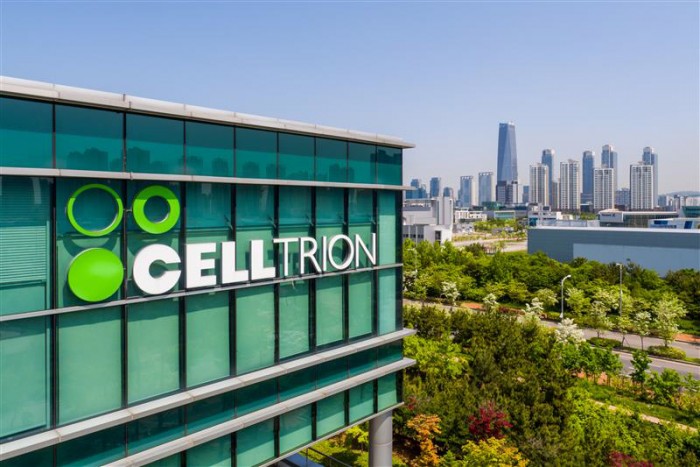 |
Celltrion has signed a drug licensing agreement worth up to 770 billion won with U.S. biotechnology company Kaigene. The company has added a third autoimmune disease drug candidate to the two it secured last year. By securing drug candidates with different mechanisms of action, Celltrion is expected to accelerate its strategy of expanding beyond its biosimilar-focused business into new drug development.
Celltrion announced on Oct. 22 that it had signed a global licensing-in agreement with Maryland-based Kaigene for KG013, a new drug candidate for autoimmune diseases. Under the agreement, Celltrion secured exclusive worldwide development and commercialization rights to KG013. Kaigene is a biotechnology company developing antibody-based drugs using its PDEG (Pathogenic Antibody Degrader) platform technology, which degrades pathogenic autoantibodies.
The agreement is worth up to $580.5 million (approximately 769.5 billion won). The amount includes an upfront payment and milestone payments tied to achievements in development, regulatory approval and commercialization. The entire amount is not payable immediately. The agreement may be terminated if clinical trials or regulatory approval are unsuccessful, in which case Celltrion will not be obligated to pay any penalties. After commercialization, Celltrion will separately pay royalties based on net sales.
KG013 is an antibody-based drug candidate targeting APRIL, a protein involved in maintaining immune cell function. Its primary development target is IgA nephropathy, a disease in which immunoglobulin A (IgA) accumulates in the kidneys, causing inflammation and declining kidney function.
While existing treatments focus on managing blood pressure or suppressing immune responses to slow kidney damage, APRIL-targeted treatments intervene in the process of abnormal IgA production. Celltrion plans to extend the duration of KG013's activity in the body to increase the interval between doses and reduce the treatment burden on patients. However, its actual efficacy and safety must be verified through future clinical trials.
With this agreement, the number of autoimmune disease drug candidates Celltrion has secured from Kaigene has increased to three. KG013 has been added to the two candidates licensed last year, including an FcRn inhibitor. While the FcRn inhibitor KG006 blocks the recycling of immunoglobulin G (IgG) in the body, KG013 blocks a pathway involved in IgA production. The strategy is to expand the range of diseases targeted for treatment by using different mechanisms of action.
Celltrion plans to leverage the global sales network and commercialization experience it has established through its existing autoimmune disease biosimilar business in its new drug business as well. However, securing drug candidates does not immediately translate into revenue. Future clinical trial results and regulatory approvals are expected to be key to expanding its new drug business.
"Following the licensing of two next-generation autoimmune disease treatments, including an FcRn inhibitor, last year, we have now successfully secured a license for an anti-APRIL antibody, further strengthening our pipeline of next-generation autoimmune disease treatments through strategic open innovation," a Celltrion official said.
"We will maximize synergies with our existing core products and maintain our unrivaled competitive advantage in the global autoimmune disease treatment market," the official added.
Moon Jeong-woo
Most Read
-
1
Celltrion nears additional contract with major U.S..

-
2
Putin proposes trilateral U.S.-China-Russia summit..

-
3
U.S. weighs dropping MOAB, world's most powerful n..

-
4
"Aren't those foreigners on welfare?": M..

-
5
Saudi Arabia, Iran hold first diplomatic talks to..

-
6
Attention centers on APEC for possible Trump-Xi-Pu..

-
7
Saudi airport in Riyadh struck again, leaving at l..

PEOPLE







-
Address : In-Young Bldg., 34, Uisadang-daero 1-gil, Yeongdeungpo-gu, Seoul
Copyright by ASIATODAY CO., LTD. All rights resereved