



N. Korea operates black sites at Beijing embassy, Shenyang consulate, report says
Sep 29, 2026, 09:05 am


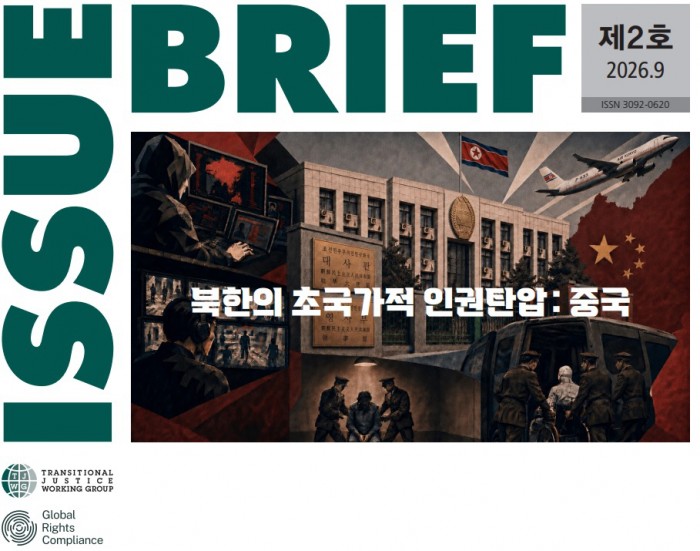 |
A report by a domestic human rights documentation group revealed that North Korea is operating clandestine detention facilities, so-called "black sites," within its diplomatic missions in China. These facilities are used to detain and interrogate individuals whose actions could damage the North Korean regime's standing until they are repatriated, reflecting an analysis that North Korean diplomatic missions are focused more on monitoring and controlling their citizens staying overseas than on protecting them.
In an issue brief titled "North Korea's Transnational Repression: China" released on the 29th, the Transitional Justice Working Group stated that North Korea is presumed to arrest individuals attempting to defect with classified information inside China and detain them in secret detention sites within its embassy in Beijing and its consulate general in Shenyang, Liaoning Province.
The group presumes the basement of the consular section building within the Beijing embassy to be a "black site" operated by North Korea. Earlier, some reports noted the construction status of the mission in China and indicated that newly built facilities were being utilized as an "underground prison."
According to the report, the detainees held here vary widely, including high-ranking officials attempting to defect, members of the bodyguard unit, weapons experts, scientists and engineers, hackers, diplomats, overseas students, and overseas dispatched workers and managers. The group also explained that those possessing information on the movements and personal lives of Chairman Kim Jong-un's family, or those involved in clandestine entities and businesses violating sanctions against North Korea, are included among the targets.
The group stated, "When diplomats, overseas students, party cadres, special agents, and state officials dispatched around the world as well as to China show signs of attempting asylum, North Korea lures them to Beijing and detains them at the embassy in China immediately upon arrival."
According to the group, the mastermind behind these arrest operations is the "security representative" dispatched to diplomatic missions, who is a high-ranking cadre sent by the State Security Department. The security representative directs illicit operations to arrest and repatriate North Koreans who deviate from approved travel paths or lose contact.
The group revealed the case of Bae Yong-ju, who was repatriated to North Korea in a full-body cast, stating, "To shorten transfer routes and minimize exposure of targeted individuals who have been arrested, North Korea mainly uses direct flights from Beijing to Pyongyang and resorts to harsh methods to prevent escape or resistance during transport."
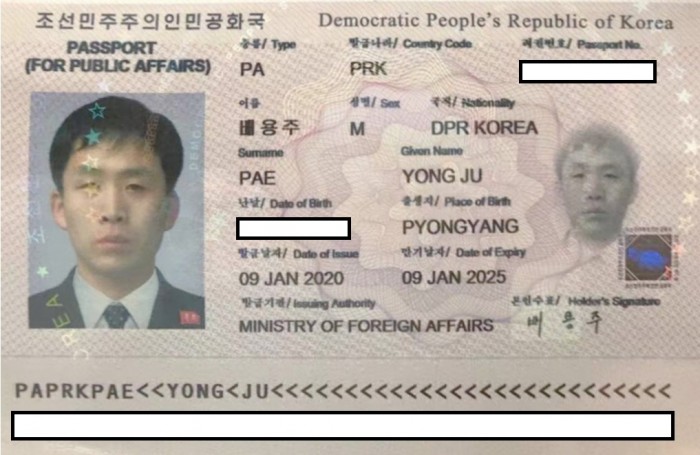 |
| North Korean hacker Bae Yong-ju, who was dispatched to China in early 2020 and is known to have been repatriated in 2023 after attempting to defect. / Provided by the Transitional Justice Working Group |
According to the report, Bae Yong-ju was a North Korean hacker dispatched to China in early 2020 who stole virtual assets and military intelligence from South Korea and China, and was arrested while attempting to defect during the COVID-19 pandemic. He was detained and interrogated at the North Korean Embassy in Beijing for about a year before being repatriated on a direct flight in August 2023 when the Pyongyang-Beijing air route resumed, and he is now believed to be dead.
The group stated, "We had withheld the disclosure of this case because there was still a possibility that the repatriated Bae Yong-ju might defect, but we revealed his identity after confirming that he died in North Korea," adding, "Bae Yong-ju was disguised as a patient in a full-body cast during transit so as not to attract the attention of airport staff and travelers."
The group emphasized, "The Chinese government can hold North Korea accountable for violations of Chinese law taking place at the North Korean Embassy in Beijing, and if necessary, demand the closure of secret prisons by designating North Korean diplomats involved in operating clandestine prisons as personae non gratae and expelling them, or through measures such as trade restrictions, expulsion of North Korean workers, and severing diplomatic ties."
Mok Yong-jae
Most Read
-
1
Celltrion nears additional contract with major U.S..

-
2
Putin proposes trilateral U.S.-China-Russia summit..

-
3
U.S. weighs dropping MOAB, world's most powerful n..

-
4
"Aren't those foreigners on welfare?": M..

-
5
Houthis launch successive attacks on Saudi airport..

-
6
Saudi Arabia, Iran hold first diplomatic talks to..

-
7
Attention centers on APEC for possible Trump-Xi-Pu..

PEOPLE







-
Address : In-Young Bldg., 34, Uisadang-daero 1-gil, Yeongdeungpo-gu, Seoul
Copyright by ASIATODAY CO., LTD. All rights resereved