



Drug addiction rises among women in Malaysia
Sep 22, 2026, 10:05 am


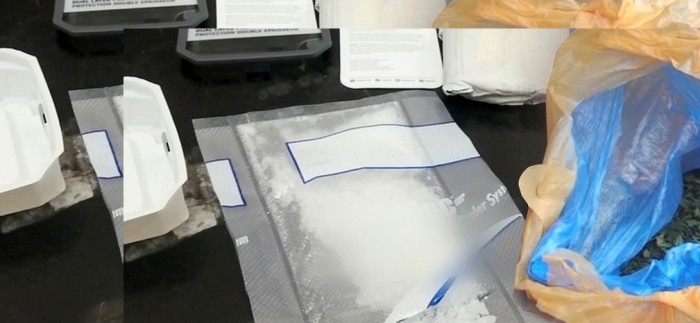 |
| Drug addiction cases among women in Malaysia are on the rise. The photo is unrelated to the article. / Yonhap |
Calls are growing in Malaysia to strengthen treatment and rehabilitation systems for women as drug addiction cases among women continue to rise.
According to Malaysia’s New Straits Times on Sept. 20, data from the National Anti-Drugs Agency, or NADA, showed that the number of women with drug addiction reached 8,926 in 2025, up 3.3% from 8,638 a year earlier.
Women accounted for 4.7% of all people with drug addiction in Malaysia, far below the 95.3% share for men, but authorities are becoming increasingly concerned as the number continues to climb.
Amphetamine-type stimulants, or ATS, were the most commonly used drugs among women, with 7,588 cases, followed by opiates with 762, other drugs including kratom and cocaine with 319, cannabis with 138 and psychotropic drugs with 119.
By age group, those aged 19 to 39 accounted for the largest number at 6,193, followed by people aged 40 to 59 with 2,567 and teenagers with 166.
The increase has also been notable in rural areas. In Kelantan, the number of women with drug addiction rose 13.7% from 526 in 2024 to 598 last year, prompting calls for better access to treatment in rural communities.
Experts point to the influence of close relationships, including spouses and partners, as one factor behind the increase in drug addiction among women.
Datuk Ruslin Jusoh, director-general of NADA, said women are often influenced by spouses or partners and may also be reluctant to seek treatment because they face stricter moral judgment from society than men.
The United Nations Office on Drugs and Crime has also noted that women generally have less access to treatment than men and may face situations in which spouses or partners obstruct or control their efforts to receive care.
Experts therefore say drug addiction among women should not be treated solely as an individual problem, but addressed through treatment and rehabilitation that also take family relationships and the broader social environment into account.
The Malaysian government is expanding measures to improve women’s access to treatment.
Under the amended Drug Dependants Act 2024, which took effect on Aug. 22, 2025, women with drug addiction can receive free treatment at Puspen rehabilitation centers and accredited community-based rehabilitation facilities. Mobile rehabilitation treatment services are also in operation.
However, critics say the support system remains insufficient after women leave treatment facilities and try to recover from addiction and reintegrate into society.
Because many women are exposed to drugs through close relationships such as spouses or partners, there are calls for post-treatment support that takes into account the risk of renewed exposure through family and social environments.
Dr. Darshan Singh Mahinder of the Centre for Drug Research at Universiti Sains Malaysia said inadequate recovery support after discharge from treatment facilities often leads to relapse.
“Rehabilitation policies should be improved to ensure that women with drug addiction receive appropriate treatment and recovery support,” he said.
He added that trauma-informed rehabilitation, vocational training and employment assistance should also be expanded so that women recovering from drug addiction can rebuild stable lives.
Hong Seong-a
Most Read
-
1
Celltrion’s Omlyclo gains ground in major European..

-
2
Trump demands rates fall below 1% as Fed hikes for..

-
3
Trump makes $1 trillion bet ahead of midterm elect..

-
4
Iran resumes ballistic missile production, assembl..

-
5
Samsung Electronics, Mistral AI to jointly develop..

-
6
Trump warns countries not helping U.S. must pay re..

-
7
Apple launches first foldable, 1 million won prici..

PEOPLE






HEADLINE NEWS
- Trump to roll out ‘unprecedented welcome’ for Xi with B-2 bombers, F-22 fighters
- S. Korea, U.S., and Japan form united front on Taiwan and economic coercion..
- Trump administration moves to impose sweeping sanctions on International Cr..
- Xi to make state visit to U.S. Sept. 23-25, dispelling rumors over his heal..

-
Address : In-Young Bldg., 34, Uisadang-daero 1-gil, Yeongdeungpo-gu, Seoul
Copyright by ASIATODAY CO., LTD. All rights resereved