



The paradox of AI era: China's entertainment industry and actors suffer biggest blow
Jul 22, 2026, 01:09 pm


China's entertainment industry workers, including actors, are being hit hardest by the full-fledged arrival of the AI era, according to recent analysis. Some are even viewing it as an unavoidable fate, abandoning careers they once considered their calling to jump into new lines of work.
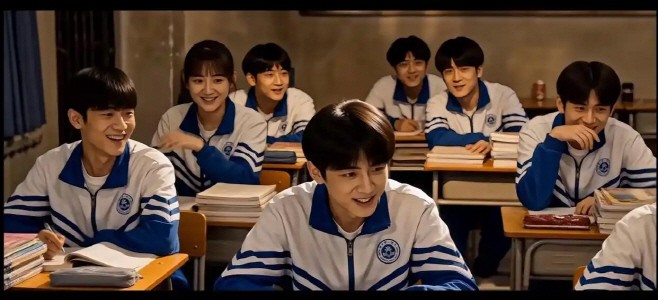 |
| A recent Chinese drama series produced using AI. It highlights a grim reality now facing celebrities. / Photo by Beijing News |
According to Beijing sources familiar with the ICT (information and communication technology) industry on July 22, the full-fledged emergence of AI in China should, overall, be viewed as a welcome phenomenon. Given that it is an irresistible trend driven by changing times and advances in science and technology, taking such a view is only natural. Indeed, workers across many industrial sectors view it positively, with some even arguing that it should be integrated into industrial sites as soon as possible.
Paradoxically, however, a sense of crisis is also widespread. For service sector workers and delivery riders, the presence of AI robots poses an almost lethal threat—a reality that is especially true considering China's status as an AI powerhouse. The entertainment industry, it is safe to say, is no exception.
Some may wonder why the entertainment sector would suffer from the full-fledged arrival of AI. The answer becomes clear given the recent surge in Chinese dramas and commercials featuring AI celebrities. For entertainers, the sense of crisis is as real as it gets. Yin Jingmei, who runs an entertainment company in Beijing, expressed extreme anxiety, saying, "Until recently, our company received many calls from broadcasters and advertisers. But now, inquiries have dropped by half. The reason is clear: AI has taken away jobs from our talent." Her alarm is certainly well-founded.
Some actors have also candidly confessed their sense of crisis on social media. A few are even returning to their hometowns in search of a livelihood. Recent reports by several media outlets detailing the current whereabouts of B-list actors whose names would be recognizable to many are by no means unfounded.
Naturally, prestigious universities that churn out large numbers of actors and entertainment professionals—such as the Beijing Film Academy and the Shanghai Theatre Academy—have also been plunged into a dilemma. They have no choice but to grapple with various academic affairs, including whether to keep or scrap certain majors. It seems clear that AI is exerting such a formidable influence that it is reshaping the very landscape of China's entertainment industry.
Hong Soon-do
Most Read
-
1
Celltrion’s Omlyclo gains ground in major European..

-
2
Trump demands rates fall below 1% as Fed hikes for..

-
3
Trump makes $1 trillion bet ahead of midterm elect..

-
4
Iran resumes ballistic missile production, assembl..

-
5
Samsung Electronics, Mistral AI to jointly develop..

-
6
Trump warns countries not helping U.S. must pay re..

-
7
Seoul faces triple squeeze over troop deployment t..

PEOPLE






-
Address : In-Young Bldg., 34, Uisadang-daero 1-gil, Yeongdeungpo-gu, Seoul
Copyright by ASIATODAY CO., LTD. All rights resereved