



Bitcoin rebounds 10% in July amid $1M forecast, but short-term factors loom
Jul 13, 2026, 04:17 pm


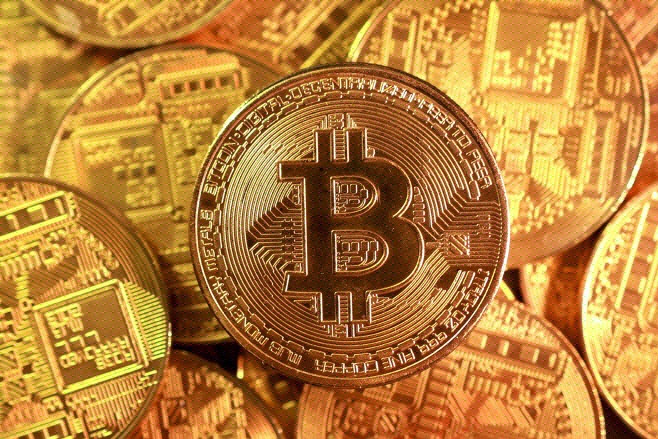 |
| A visual representation of Bitcoin. / Photo courtesy of Reuters, Yonhap News Agency. |
Bitcoin (BTC) has staged a recovery in July, surging nearly 10% and fueling long-term optimism that the cryptocurrency could eventually reach hundreds of thousands of dollars. However, analysts warn that short-term volatility is likely to persist due to Q3 seasonality and macroeconomic variables.
As of 2:00 PM on July 13, Bitcoin was trading at $60,374 on CoinMarketCap, a leading global cryptocurrency market tracking site, marking a slight 0.35% increase from a week earlier. While Bitcoin has successfully rebounded from its recent downturn, the market appears to be adopting a wait-and-see approach ahead of key macroeconomic data releases, amidst ongoing geopolitical risks in the Middle East.
Despite near-term uncertainties, long-term bullish projections remain intact. Analysts at U.S. investment bank Bernstein Research projected that Bitcoin could potentially climb to $500,000 by 2029 and reach $1 million by 2033. Their analysis suggests that the CLARITY Act in the U.S., which establishes a regulatory framework for crypto assets and clarifies supervisory authority, will expand institutional investment and serve as a catalyst for Bitcoin's upward trajectory.
Other prominent experts have also reinforced these strong long-term outlooks. Geoffrey Kendrick, an analyst at Standard Chartered Bank, maintained his existing forecast that Bitcoin will reach $500,000 before the end of U.S. President Donald Trump's term. He anticipated that institutional inflows and the expansion of the spot Bitcoin ETF market will drive medium- to long-term gains.
Similarly, veteran trader Peter Brandt pointed to historical price cycles, projecting that Bitcoin could reach between $300,000 and $500,000 around September or October of 2029 if past patterns repeat.
Bitcoin has indeed demonstrated a robust rebound this month. According to data from CoinGlass, the BTC/USD pair recorded a monthly gain of approximately 9.5% for July, marking its highest July performance in four years since 2022. However, experts are closely watching similarities to the Q3 downturn of 2022. Back then, Bitcoin recovered in July following a sharp drop in June, only to fall by more than 10% again in August, failing to sustain its momentum. Consequently, some analysts advise a cautious approach in the near term.
"Historically, the third quarter is the period with the lowest average returns for Bitcoin," noted crypto trader Daan Crypto Trades on X (formerly Twitter). "Seasonal factors, such as declining trading volume and liquidity during the summer months, tend to exert an influence."
Industry insiders identify U.S. inflation data and monetary policy as the critical variables dictating short-term price movements. The release of the June Consumer Price Index (CPI) on July 14 is highly anticipated, as the results could shift expectations regarding the U.S. Federal Reserve's interest rate cuts. If the CPI exceeds market expectations, hopes for a rate cut may diminish, dampening investor sentiment for risk assets. Conversely, cooling inflation figures could bolster expectations for a rate cut, creating a more favorable investment climate for Bitcoin and the broader cryptocurrency market.
Meanwhile, the Crypto Fear & Greed Index provided by alternative.me dropped to 29 points (Fear), down 2 points from the previous day's reading of 31. The index ranges from 0, signifying "Extreme Fear," to 100, indicating "Extreme Greed."
Kim Yoon-hee
Most Read
-
1
Kia Sportage outperforms Mazda CX-5 in German auto..

-
2
Houthis launch successive attacks on Saudi airport..

-
3
Saudi Arabia, Iran hold first diplomatic talks to..

-
4
U.S. deploys carrier, 10,000 more troops to Middle..

-
5
Saudi airport in Riyadh struck again, leaving at l..

-
6
Japan tracks Ukraine fiber-optic drones, bolsters..

-
7
Putin's ally visits China on the 8th ahead of APEC..

PEOPLE






HEADLINE NEWS

-
Address : In-Young Bldg., 34, Uisadang-daero 1-gil, Yeongdeungpo-gu, Seoul
Copyright by ASIATODAY CO., LTD. All rights resereved