



Seven in 10 tycoon relatives live in Seoul’s richest districts
Dec 17, 2025, 09:17 am


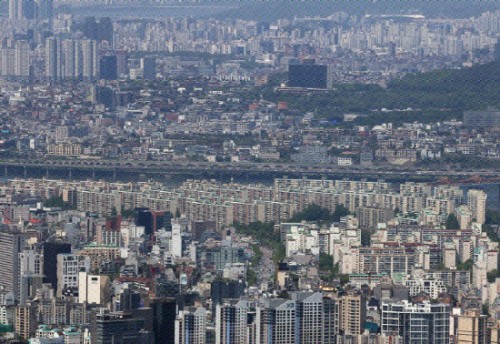 |
| A view of apartment buildings in Seoul. / Source: Yonhap News |
Seven out of 10 relatives of major conglomerate owners in South Korea live in Seoul’s Yongsan, Gangnam and Seocho districts, a new analysis showed, highlighting the concentration of the country’s wealthiest families in high-priced residential areas.
According to a report released on December 17 by corporate data research firm CEO Score, 409 people—93.8% of the 436 owner-family members whose registered addresses could be confirmed—listed Seoul as their address. Those living outside the capital were counted as 17 in Gyeonggi Province (3.9%), four overseas (0.9%), two in Busan (0.5%), and one each in Incheon, North Jeolla, Daejeon and North Chungcheong (0.2% each).
Within Seoul, 305 people—69.9% of the total—were concentrated in three districts: Yongsan, Gangnam and Seocho. Yongsan had the largest number at 127 people (29.1%), followed by Gangnam with 113 (25.9%) and Seocho with 65 (14.9%).
The three districts are widely known for having some of the country’s most expensive housing prices.
At the neighborhood level, the Itaewon and Hannam areas of Yongsan saw the largest concentration. The study found that 100 people (22.9%) from 32 business groups—including Samsung, SK, Hyundai Motor and LG—listed addresses in those areas. They were followed by Seongbuk-dong in Seongbuk District with 37 people (8.5%), Banpo-dong in Seocho with 24 (5.5%), Bangbae-dong in Seocho with 18 (4.1%), Cheongdam-dong in Gangnam with 17 (3.9%) and Seongsu-dong in Seongdong with 15 (3.4%).
In Gyeonggi Province, 10 people (2.3%) lived in Bundang District, Seongnam, while three (0.7%) were based in Yangpyeong County. In Busan, two people (0.5%)—from owner families tied to companies based in the Busan-South Gyeongsang region, such as DN and IS Holdings—listed addresses in the city.
The analysis covered owner-family members whose addresses could be identified through equity-holding disclosures. Under corporate disclosure form guidelines, personal addresses were based on registered resident addresses, and when disclosed and actual residences differed, the study reflected the address listed in official filings. Spouses and children under age 30 who were disclosed at the same address were excluded from the analysis to reduce the risk of double counting.
#chaebol #conglomerate owners #Yongsan #Gangnam #Seocho
Copyright by Asiatoday
Most Read
-
1
Kia Sportage outperforms Mazda CX-5 in German auto..

-
2
Houthis launch successive attacks on Saudi airport..

-
3
Saudi Arabia, Iran hold first diplomatic talks to..

-
4
U.S. deploys carrier, 10,000 more troops to Middle..

-
5
Saudi airport in Riyadh struck again, leaving at l..

-
6
Putin's ally visits China on the 8th ahead of APEC..

-
7
Five ASEAN countries welcome Myanmar coup leader

PEOPLE






HEADLINE NEWS

-
Address : In-Young Bldg., 34, Uisadang-daero 1-gil, Yeongdeungpo-gu, Seoul
Copyright by ASIATODAY CO., LTD. All rights resereved